

Visitors exploring the towns in Devon will find lively seaside resorts, working fishing ports, historic cities, and traditional market towns, as well as some of the best coastal towns for a holiday by the sea.
Devon is home to two cities, around 80 towns and over 400 villages and hamlets, making it one of the most interesting counties to visit in England. Located in South West England between Cornwall, Somerset and Dorset, the county combines sandy beaches, dramatic coastlines, historic settlements, market towns and two national parks within a relatively compact area.
Devon is famous for its sandy beaches, dramatic coastlines, surfing, fishing harbours, cream teas and the landscapes of Dartmoor and Exmoor. Whether you are planning a holiday or wondering what towns are in Devon, you will find coastal resorts, historic market towns, attractive villages and plenty of places to explore.
From Exeter and Plymouth to Exmouth, Sidmouth, Torquay and Barnstaple, this guide introduces Devon’s main towns and cities while highlighting some of the county’s most popular visitor destinations. It also serves as a hub, linking to more detailed guides across ThisIsSouthWest.com, a growing travel guide to the South West of England.
Looking to visit a particular Devon town?
Jump straight to our A to Z list of Devon towns and visitor guides.
Explore our Devon visitor guidesDevon, England at a Glance
Some choices reflect our own travels around Devon and are personal favourites rather than definitive rankings. We still have more places to explore!
Largest city: Plymouth
Historic county city: Exeter
Largest seaside resort area: Torbay
Our pick for a sandy beach: Exmouth
Our favourite fishing port: Brixham
Our pick for surfing: Croyde
Our favourite market town: Tavistock
Our favourite estuary town: Topsham
Our pick for a fishing village: Clovelly
Our favourite family resort: Paignton
Also high on our list: Salcombe and Dartmouth for their rivers, scenery and watersports
Disclosure: Some of the outbound links on this page are affiliate links to sites that we use and would genuinely recommend. Using them doesn’t cost you extra, but it does help support this free guide. We also provide links to other sites that we believe may be helpful to you.
Where Is Devon in England?
Devon is located in South West England and is bordered by Cornwall to the west, Somerset to the north-east and Dorset to the east. The county is bordered by coastline on two sides and is England’s only county with separate coastlines on the Bristol Channel and English Channel.
The county is perhaps best known for the English Riviera around Torbay, the Jurassic Coast in East Devon, the surfing beaches of North Devon and the landscapes of Dartmoor National Park and Exmoor National Park. These dramatic and different landscapes help explain why Devon remains one of the UK’s most popular holiday destinations.
How Many Cities and Towns Are in Devon?
Devon has two cities, around 80 towns and hundreds of villages spread across the county.
The county is commonly divided into five geographical areas:
- East Devon
- South Devon
- North Devon
- Mid Devon
- West Devon
Each area has its own character. East Devon is known for the Jurassic Coast and seaside resorts; South Devon for sailing towns and family attractions; North Devon for surfing beaches and dramatic cliffs; Mid Devon for rolling countryside and market towns; and West Devon for Dartmoor landscapes and historic settlements.
Coastal Towns in Devon
Devon has coastlines on both the Bristol Channel and English Channel, giving the county an unusually varied collection of seaside towns, fishing ports and coastal resorts. The North Devon coast is known for high cliffs, surfing beaches and Atlantic scenery, while East and South Devon include the Jurassic Coast, English Riviera, estuaries and historic harbours.
North Devon coastal towns and villages include Ilfracombe, Combe Martin, Lynton and Lynmouth, Appledore, Woolacombe and Croyde, with Bideford and Barnstaple on the tidal Torridge and Taw estuaries.
East Devon coastal towns include Exmouth, Budleigh Salterton, Sidmouth and Seaton, together with smaller communities such as Beer and Branscombe. Much of the coastline east of Exmouth forms part of the Jurassic Coast World Heritage Site.
South Devon coastal towns include Dawlish, Teignmouth, Torquay, Paignton and Brixham, followed further west by Dartmouth and Salcombe. The character changes considerably along the coast, from traditional seaside resorts to working fishing harbours and sailing towns.
Cities in Devon
Devon’s two cities, Exeter and Plymouth, are very different in character, but both play important roles in the county’s history, economy and tourism.
The City of Exeter

Exeter is Devon’s historic county city and one of England’s oldest settlements, with Roman origins dating back nearly 2,000 years. Its best-known landmark is Exeter Cathedral, while other attractions include RAMM, the Underground Passages, Northernhay Gardens and the historic Quayside, where visitors can walk, cycle or enjoy waterside cafés.
Exeter is also one of the best-connected places in Devon. Exeter St Davids and Exeter Central provide direct trains to London, Bristol, Birmingham, Plymouth and Cornwall, with local lines serving Exmouth, Paignton, Barnstaple and Okehampton. The M5, A30 and A38 reach the city, while Exeter Airport offers flights across the UK and Europe.
👉 Read more in our Complete Visitor Guide to Exeter
The City of Plymouth
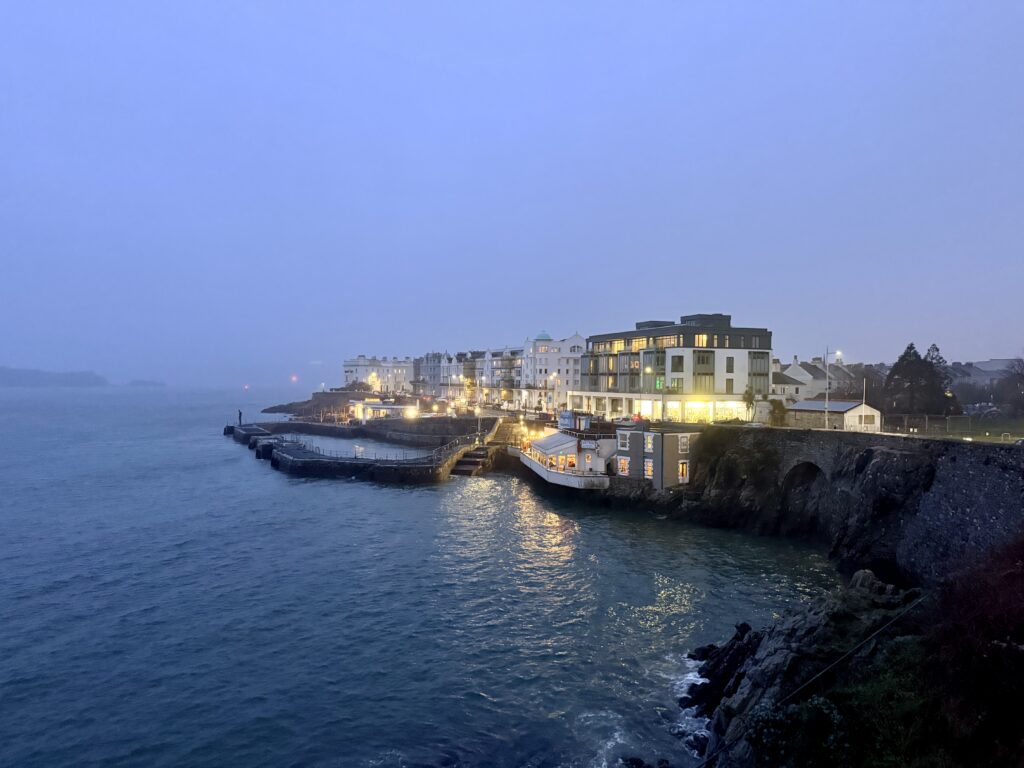
Plymouth is Devon’s largest city and one of Britain’s leading maritime centres. Its naval history, links to the Mayflower and Devonport Naval Base remain central to the city’s identity.
Popular things to do in Plymouth include visiting Plymouth Hoe, the historic Barbican, National Marine Aquarium, Royal William Yard and Smeaton’s Tower. Boat trips explore Plymouth Sound, while the Cremyll Ferry crosses to Mount Edgcumbe, with services also available to Cawsand and Kingsand. Plymouth is an excellent gateway to South Devon, Dartmoor and Cornwall, offering a maritime contrast to historic Exeter.
Towns in Devon by Area

Devon’s towns are spread across five distinct areas, each with a different feel. The following guide covers many of the main towns in East Devon, South Devon, North Devon, Mid Devon and West Devon, with approximate populations and links to our individual visitor guides where available.
East Devon
East Devon stretches from Exeter to the Dorset border and includes Exmouth, Topsham, Sidmouth, Honiton, Seaton and Budleigh Salterton. The area is known for its red sandstone cliffs, Jurassic Coast scenery, seaside resorts, and attractive villages, including Beer, Branscombe, Lympstone, and East Budleigh.
Exmouth – Approximate population 36,000. At the mouth of the River Exe, Exmouth is best known for its long sandy beach, watersports and as the gateway to the Jurassic Coast.
Sidmouth – Approximate population 13,000. On the Jurassic Coast, Sidmouth is best known for its Regency architecture, Folk Festival and dramatic red cliffs.
Honiton – Approximate population 12,000. In the heart of East Devon, Honiton is best known for its lace-making heritage, antiques trade and regular markets.
Seaton – Approximate population: 8,000. Close to the Dorset border, Seaton is best known for the Seaton Tramway, Wetlands Nature Reserve and Jurassic Coast setting.
Axminster – Approximate population 6,000. Near the Dorset border, Axminster is best known for its carpet-making heritage and direct railway to London.
Budleigh Salterton – Approximate population 5,000. On the East Devon coast, Budleigh Salterton is best known for its pebble beach and the Otter Estuary.
Ottery St Mary – Approximate population: 5,000. Inland in East Devon, Ottery St Mary is best known for its famous Tar Barrels tradition.
Topsham – Approximate population 4,800. On the River Exe estuary just south of Exeter, Topsham is best known for its elegant Dutch-style houses, independent shops, waterside pubs and restaurants, and excellent walking and cycling along the Exe Estuary Trail.
Colyton – Approximate population: 2,300. In the Axe Valley, Colyton is best known for the Seaton Tramway and its attractive historic centre.
South Devon
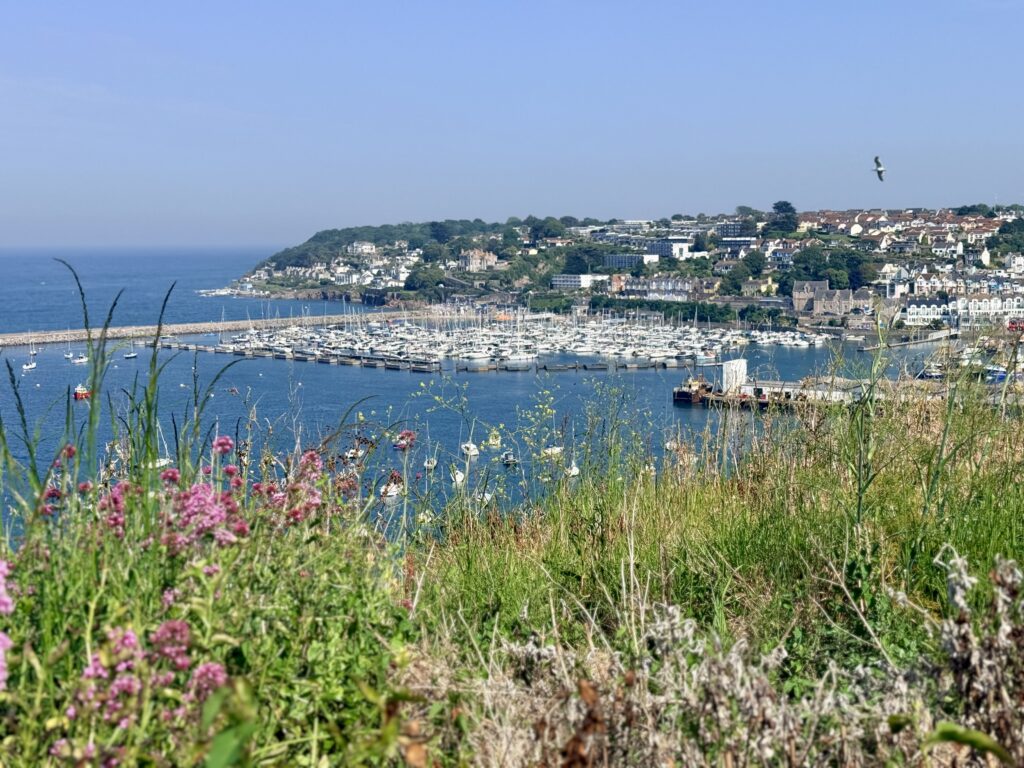
South Devon includes Dawlish and Dawlish Warren, Teignmouth, Torquay, Paignton, Brixham, Dartmouth, Totnes, Kingsbridge, Salcombe and Newton Abbot. Visitors come for beaches, estuaries, seafood, coastal walks and the English Riviera.
Torquay – Approximate population 65,000. On the English Riviera, Torquay is best known for its marina, beaches, palm trees and links to Agatha Christie.
Paignton – Approximate population 50,000. Part of Torbay, Paignton is best known for its sandy beach, pier, zoo and Dartmouth Steam Railway.
Plympton – Approximate population: 30,000. On the eastern edge of Plymouth, Plympton is best known for its historic Stannary town heritage and the remains of a Norman castle.
Newton Abbot – Approximate population 26,000. Between Exeter and Torbay, Newton Abbot is best known for its racecourse, markets and transport links.
Brixham – Approximate population 17,000. Part of Torbay, Brixham is best known for its busy fishing harbour, seafood restaurants and maritime heritage.
Teignmouth – Approximate population 15,000. At the mouth of the River Teign, Teignmouth is best known for its sandy beach, Victorian pier and working port.
Dawlish – Approximate population 14,000. On the South Devon coast, Dawlish is best known for its black swans and spectacular railway running alongside the sea wall.
Ivybridge – Approximate population 13,000. On the southern edge of Dartmoor National Park, Ivybridge is best known as a gateway to the moor, outdoor activities and the scenic River Erme.
Totnes – Approximate population 8,000. On the River Dart, Totnes is best known for its Norman castle, independent shops and creative atmosphere.
Bovey Tracey – Approximate population 8,000. On the eastern edge of Dartmoor National Park, Bovey Tracey is best known as the Gateway to Dartmoor and for the popular House of Marbles visitor attraction.
Kingsbridge – Approximate population 6,000. In the South Hams, Kingsbridge is best known for its estuary setting and proximity to Salcombe.
Dartmouth – Approximate population 5,500. On the River Dart, Dartmouth is best known for Britannia Royal Naval College, the Royal Regatta and its beautiful waterfront.
Ashburton – Approximate population 3,800. On the southern edge of Dartmoor, Ashburton is best known for its antique shops and independent businesses.
Salcombe – Approximate population 2,000. On the Kingsbridge Estuary, Salcombe is best known for sailing, watersports and spectacular estuary scenery.
North Devon
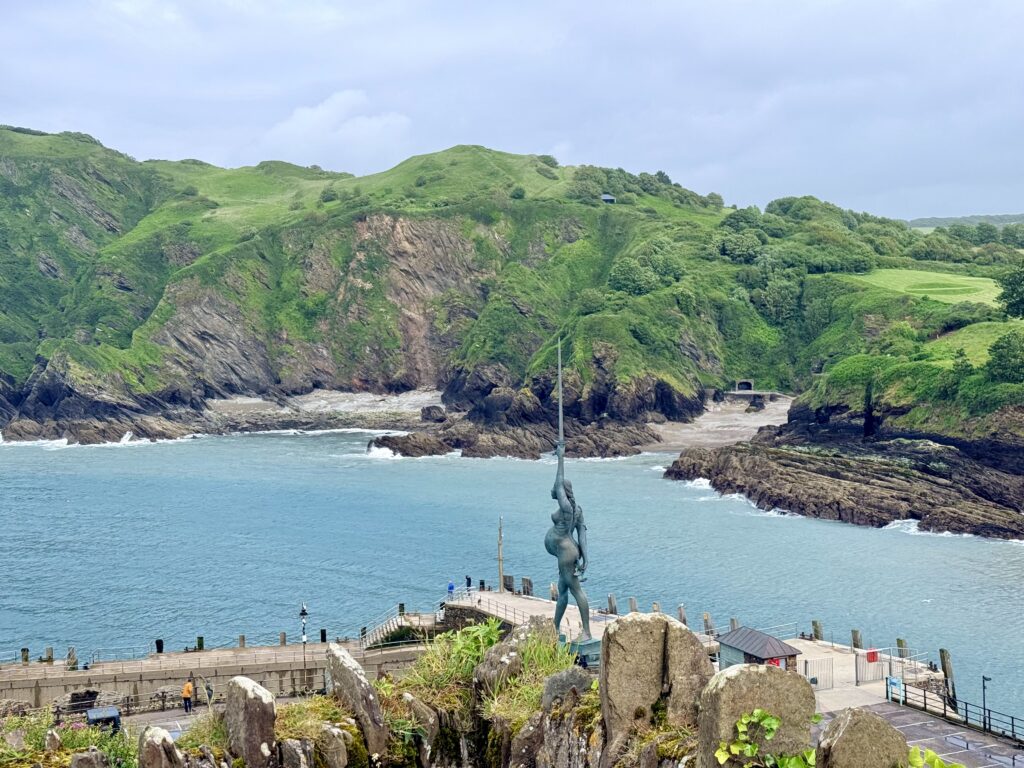
North Devon includes Barnstaple, Bideford, Ilfracombe and South Molton. The area is famous for its surfing beaches, rugged cliffs, Exmoor scenery, and villages such as Appledore, Clovelly, and Croyde.
Barnstaple – Approximate population 25,000. On the River Taw, Barnstaple is best known for its pannier market, Long Bridge and as the gateway to North Devon.
Bideford – Approximate population 17,000. On the River Torridge, Bideford is best known for its historic port, the medieval Long Bridge, and its access to Lundy Island.
Ilfracombe – Approximate population 11,000. On the North Devon coast, Ilfracombe is best known for its historic harbour, Verity sculpture and boat trips.
Great Torrington – Approximate population 6,000. In North Devon overlooking the River Torridge, Great Torrington is best known for its Civil War history, the RHS Garden Rosemoor and access to the Tarka Trail.
South Molton – Approximate population 5,000. Close to Exmoor National Park, South Molton is best known for its pannier market and its rural market-town character.
Holsworthy – Approximate population 2,800. In north-west Devon, near the Cornwall border, Holsworthy is best known for its livestock market and agricultural heritage.
Mid Devon

Mid Devon is centred on Tiverton, Crediton and Cullompton. The area is largely rural and is known for countryside walks, canals, market towns and traditional Devon landscapes.
Tiverton – Approximate population: 22,000. In Mid Devon, Tiverton is best known for its castle, the Grand Western Canal, and market-town heritage.
Cullompton – Approximate population 9,000. In Mid Devon, between Exeter and Tiverton, Cullompton is best known for its market-town heritage, the nearby Blackdown Hills, and excellent access to the M5 motorway.
Crediton – Approximate population: 7,800. West of Exeter, Crediton is best known as the birthplace of Saint Boniface and for its historic market town character.
Bampton – Approximate population 1,700. On the edge of Exmoor National Park in Mid Devon, Bampton is best known for its attractive Georgian streets, thriving market-town character, annual Fair and Folk Festival, and its role as a gateway to Exmoor and the upper Exe Valley.
West Devon
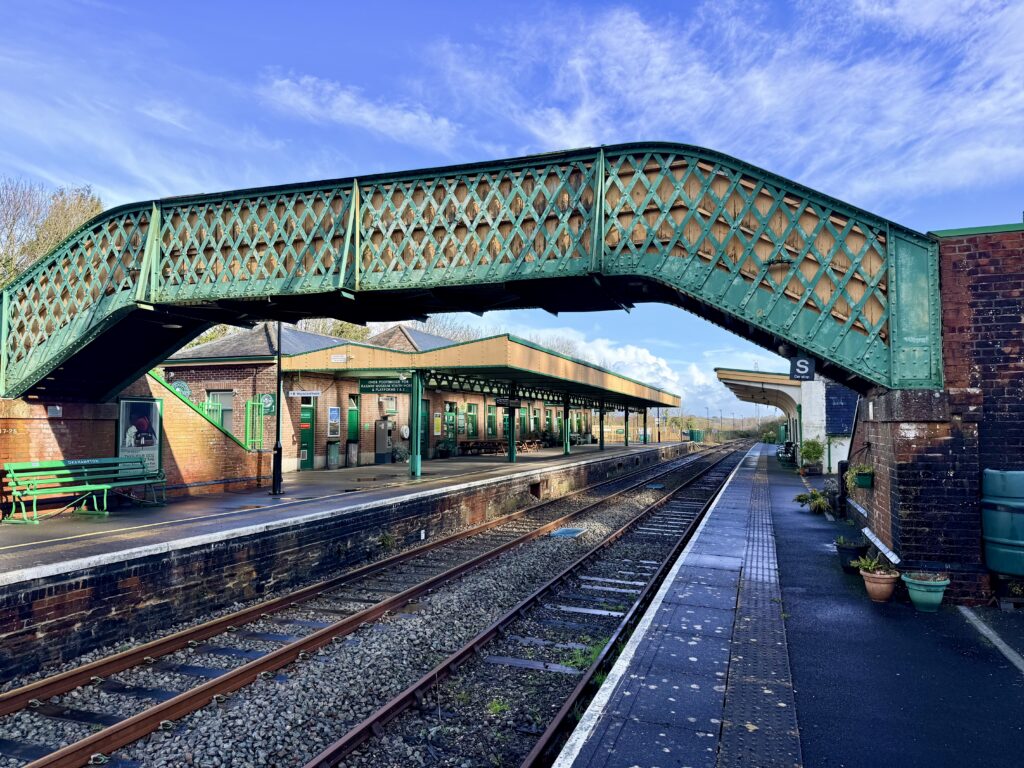
West Devon includes Tavistock, Okehampton and Chagford, all of which provide excellent access to Dartmoor National Park. The area has a rich mining history and some of Devon’s finest walking country.
Tavistock – Approximate population: 13,000. On the western edge of Dartmoor, Tavistock is best known for its pannier market, mining heritage and UNESCO World Heritage status.
Okehampton – Approximate population 8,500. On the northern edge of Dartmoor National Park, Okehampton is best known as a gateway to Dartmoor, its castle and newly restored railway links.
Chagford – Approximate population 1,500. Within Dartmoor National Park, Chagford is best known for its historic status as a stannary town and excellent walking opportunities.

Devon Towns A to Z – Our Visitor Guides

Devon contains dozens of towns and villages, from seaside resorts and historic market towns to fishing communities and rural settlements. This A to Z directory covers many of the best-known towns in Devon, with links to our independent visitor guides where available.
A
Ashburton – Historic market town on the southern edge of Dartmoor.
Axminster – Market town near the Devon-Dorset border, known for its carpet-making heritage.
B
Bampton – Historic market town on the edge of Exmoor.
Barnstaple – North Devon’s largest town and an important regional centre.
Bideford – Historic port town on the River Torridge.
Bovey Tracey – Market town and gateway to Dartmoor.
Brixham – Working fishing port on the English Riviera.
Budleigh Salterton – East Devon seaside town on the Jurassic Coast.
C
Chagford – Attractive Dartmoor market town.
Colyton – Historic town close to the Seaton Tramway.
Crediton – Ancient market town and birthplace of Saint Boniface.
Cullompton – Mid Devon market town close to Exeter and the Blackdown Hills.
D
Dartmouth – Historic riverside town and sailing destination on the River Dart.
Dawlish – South Devon seaside town known for its black swans and coastal railway.
E
Exeter – Devon’s historic cathedral city and county town.
Exmouth – East Devon’s largest seaside town, at the mouth of the Exe Estuary.
G
Great Torrington – Historic hilltop market town overlooking the River Torridge.
H
Holsworthy – Traditional market town in north-west Devon.
Honiton – East Devon market town known for lace-making and antiques.
I
Ilfracombe – Harbour town on the dramatic North Devon coast.
Ivybridge – Town on the southern edge of Dartmoor and a base for outdoor activities.
K
Kingsbridge – South Hams market town at the head of the Kingsbridge Estuary.
L
Lynton – Clifftop town overlooking the North Devon coast.
N
Newton Abbot – South Devon market town and important transport hub.
O
Okehampton – Market town and northern gateway to Dartmoor.
Ottery St Mary – Historic East Devon town famous for its annual Tar Barrels.
P
Paignton – Family-friendly seaside resort on the English Riviera.
Plympton – Historic settlement on the eastern side of Plymouth.
S
Salcombe – Popular South Devon sailing and estuary town.
Seaton – Coastal town on the eastern end of Devon’s Jurassic Coast.
Sidmouth – Regency seaside town on the Jurassic Coast.
South Molton – Traditional North Devon market town close to Exmoor.
T
Tavistock – Historic market town on the western edge of Dartmoor.
Teignmouth – Traditional seaside town at the mouth of the River Teign.
Tiverton – Principal market town in Mid Devon.
Torquay – The largest seaside resort on the English Riviera.
Topsham – Historic estuary town on the River Exe.
Totnes – Historic market town on the River Dart.
Devon Towns and Cities Frequently Asked Questions
What towns are there in Devon?
What are the major towns in Devon?
What are the two cities in Devon?
How many towns are in Devon?
What towns are on the Devon coast?
Which is the nicest town in Devon?
Which Devon town has the best beaches?
Which Devon town is best for families?
Which towns in Devon are best for visitors?
What are the best coastal towns in Devon?
Which is the best town to stay in Devon?
Why Visit Devon, UK

Devon combines historic cities, seaside resorts, market towns, fishing harbours, sandy beaches and two national parks. It is England’s only county with separate coastlines on the Bristol Channel and English Channel.
Highlights include North Devon’s surfing beaches, the Jurassic Coast, Dartmoor, Exmoor, the South West Coast Path and the Tarka Trail. Rail links serve Exeter, Plymouth and several coastal towns.
Devon is larger than many visitors expect. East and South Devon can be combined easily, but North Devon often deserves a separate stay, perhaps alongside Exmoor or North Cornwall.
Planning a Holiday in Devon
If you are planning a trip to Devon, it is worth comparing accommodation, transport and visitor reviews before booking. From seaside hotels and holiday cottages to campsites and luxury retreats, the county offers options for every budget.
We often use Tripadvisor to compare attractions, restaurants and accommodation, while Booking.com is useful for its wide choice of hotels and flexible booking options. Vrbo is worth considering for self-catering holidays, and Omio can help compare and book rail and coach travel.
Whether you’re planning a weekend break or a longer holiday, taking a little time to compare options can help you find the best base for exploring Devon.
Helpful Links for Visiting Devon, England
- Booking.com – for most accommodation needs. Look out for options that include free cancellation.
- Easy Tide – Free UK tidal prediction service, providing tidal data and tide times for the current day and 6 days into the future.
- Expedia – good for flights and packages.
- GetYourGuide – find and book things to see. Includes unusual things to do.
- Hostelworld – Hostel-focused booking platform that fosters backpacker connections.
- MetOffice – Weather forecasts from the UK’s official meteorological office.
- National Express – UK-based coach operator providing long-distance bus services
- Omio – Book travel tickets by comparing trains, buses and planes in one search.
- Rental Cars – to search out and book hire cars.
- Rome2Rio – Great for comparing local transport options (and for locating bus stops).
- Ticketmaster – What’s On – Major Events – Venues – Bookings
- Trainline.com – our go-to online platform for booking train and bus tickets, offering route planning, price comparisons, seat reservations, and ticket sales.
- Traffic England – for live traffic updates on major roads.
- Traveline SW – Comprehensive public transport information from A to B by bus, coach, train, ferry in South West England and Great Britain.
- TripAdvisor – for reviews of… pretty much everything. Our go-to before booking anything.
- Vrbo – Great for self-catering and vacation holiday home rentals.
Over to you … have you recently travelled to South West England? What worked for you? What advice would you give to others? Please leave your comments below or join in the discussion in our Facebook Group.
New to South West England or returning after a while? Start with our ‘Travel Basics’ – quick guides packed with tips to help you plan your trip.

