

Planning to visit South West England? Start here with practical advice, local insight and links to our full guides across Cornwall, Devon, Somerset and Dorset.
South West England is one of the UK’s most rewarding regions to explore, with sandy beaches, dramatic cliffs, historic cities, moorland landscapes and fishing villages all within easy reach. Whether you are planning a short break, a coastal holiday, a walking trip or a longer tour of the West Country, this page will help you get started.
If you want to visit South West England, this guide brings together the best places to go, things to do and useful travel advice across the region. You will also find links to more detailed guides on the best time to visit, how to get here, where to stay, where to eat and drink, what’s on and practical travel essentials.
Written by a South West-based travel writer with more than 30 years of travel experience and regular first-hand visits across Cornwall, Devon, Somerset and Dorset, this page is based on local knowledge and real experience.

- South West England: Quick Facts
- Map of South West England: Counties and Towns
- Where is South West England?
- Why Visit South West England?
- When to visit South West England
- Best Things to Do in South West England
- Cornwall
- Devon
- Somerset
- Dorset
- Suggested South West England Itineraries
- Final Thoughts on Visiting South West England
- Frequently Asked Questions About Visiting South West England
- Other Helpful Links
South West England: Quick Facts
- Defined region: South West England officially includes Cornwall, Devon, Dorset, Somerset, Bristol, Gloucestershire and Wiltshire, as well as the Isles of Scilly. This guide focuses mainly on Cornwall, Devon, Somerset and Dorset, where most of our first-hand travel coverage is based.
- Population: Around 5.7 million people live in South West England.
- Coastline: South West England has the longest coastline of any English region, with more than 1,000 miles of beaches, cliffs, bays and estuaries.
- National Parks: Dartmoor, Exmoor and the New Forest are the three National Parks within or partly within South West England.
- World Heritage Sites: The region includes internationally important sites such as the Jurassic Coast, the Cornwall & West Devon Mining Landscape, the City of Bath and Stonehenge and Avebury.
- South West Coast Path: The 630-mile South West Coast Path is England’s longest National Trail, running from Minehead in Somerset to Poole Harbour in Dorset.
- Historic and cultural cities: Bath, Bristol, Exeter, Gloucester, Plymouth, Salisbury, Truro and Wells are among the region’s best-known cities.
- Cornish identity: Cornwall retains a recognised Celtic language, Kernewek, and a distinctive cultural identity symbolised by St Piran’s flag.
- Food traditions: The region is known for Cornish pasties, cream teas, Cheddar cheese, fresh seafood and traditional Somerset and Devon cider.
- Maritime heritage: Fishing, shipbuilding, ports and coastal trade have shaped communities across South West England for centuries.
- Landscape variety: The region includes moorland, sandy beaches, limestone cliffs, rolling hills, wetlands, estuaries and ancient countryside.
- Tourism: Millions visit South West England each year for its beaches, walking, historic places, festivals, food and countryside.
Map of South West England: Counties and Towns
This map of South West England shows Cornwall, Devon, Somerset and Dorset, along with neighbouring parts of the region and key towns and cities. It provides a useful overview of where the guide’s main counties and destinations are located.

Where is South West England?
South West England is the region in England’s south-western corner, stretching from Gloucestershire and Wiltshire in the east to Devon and Cornwall in the west. It includes Cornwall, Devon, Dorset, Somerset, Bristol, Gloucestershire and Wiltshire, as well as the Isles of Scilly. Lundy, off the North Devon coast, is also part of the region.
Cornwall forms the far south-western tip of mainland Britain, with Devon immediately to the east. Somerset lies northeast of Devon, while Dorset lies to the east. Bristol, Gloucestershire and Wiltshire form the northern and eastern parts of the wider South West region.
Disclosure: Some of the outbound links on this page are affiliate links to sites that we use and would genuinely recommend. Using them doesn’t cost you extra, but it does help support this free guide. We also provide links to other sites that we believe may be helpful to you.
Why Visit South West England?
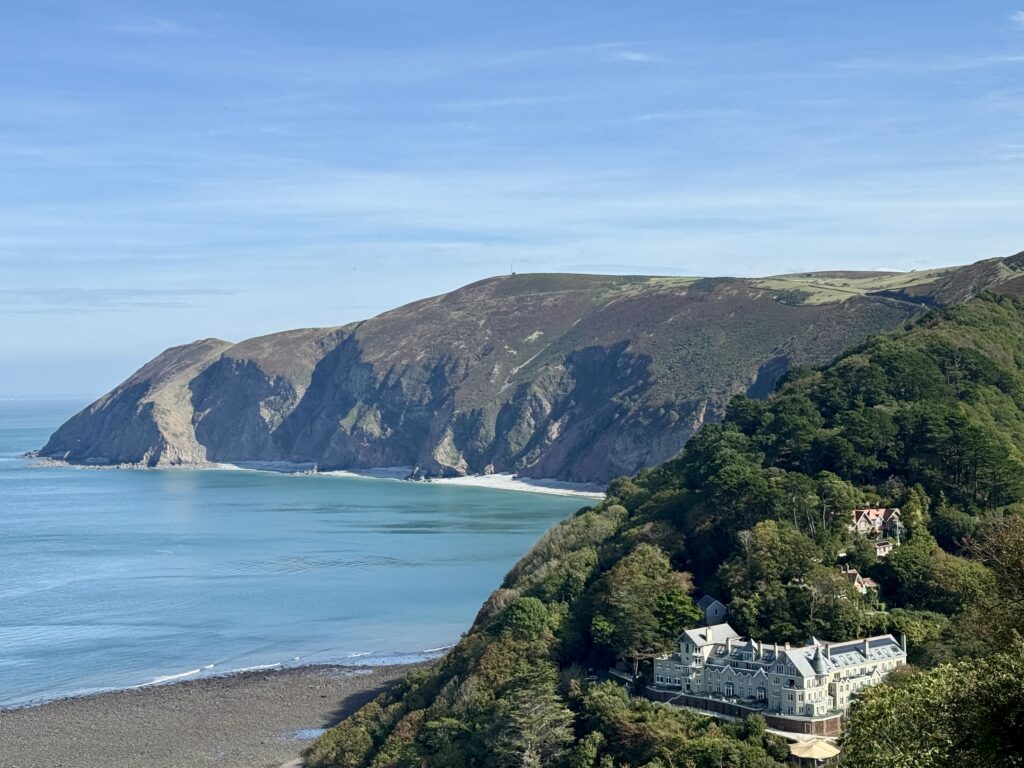
Visit South West England for dramatic coastline, historic towns, outstanding walking and a wide variety of landscapes within one region. From the surf beaches of Cornwall and the wild moors of Devon to the cathedral cities of Somerset and the fossil-rich coast of Dorset, the region offers a mix of nature, heritage and culture that is hard to match elsewhere in England.
Many people visit South West England for its well-known landmarks, including the Jurassic Coast, Dartmoor, Bath, St Michael’s Mount and Cheddar Gorge. Others come for coastal walks, family holidays, festivals, food and drink, or quieter breaks in villages and the countryside. Whether you are looking for adventure, relaxation or sightseeing, there are plenty of reasons to stay longer and explore more.
Natural Landscapes in South West England
- The Jurassic Coast World Heritage Site – A UNESCO World Heritage Site stretching along the Dorset and East Devon coast, known for its fossil-rich cliffs, natural arches and dramatic coastal scenery. Popular spots include Lyme Regis, Charmouth and West Bay.
- The South West Coast Path – England’s longest National Trail at 630 miles, following the coastline from Somerset to Dorset. It offers some of the best walking in the UK, with constant sea views, varied terrain and access to beaches, villages and harbours.
- Cornish Coastline – Rugged cliffs, sandy beaches and hidden coves define Cornwall’s Atlantic-facing coast. Highlights include St Ives, Land’s End, Tintagel and the Lizard Peninsula, along with a popular surfing and food scene.
- Dartmoor & Exmoor – These two National Parks offer open moorland, granite tors, wooded valleys and dark skies. Dartmoor feels wild and remote, while Exmoor combines coastal views with gentler landscapes and abundant wildlife.
- Somerset Levels – A low-lying landscape of wetlands, rivers and nature reserves, known for birdlife, seasonal flooding and wide open skies. It offers a quieter, slower-paced contrast to the coast.
- The Quantock Hills – Rolling hills, woodland and open heathland with views across the Bristol Channel. Ideal for walking and wildlife, and one of England’s earliest protected landscapes.
History and Heritage
South West England has a rich history influenced by prehistoric settlements, medieval trade, maritime activity and deep regional identities. Cornwall retains a distinct Celtic heritage, while Somerset and Dorset reflect centuries of agriculture, industry and coastal trade.
Historic cities such as Bath, Exeter and Wells showcase Roman and medieval influences, while coastal communities reveal the region’s long connection with the sea. Today, this blend of history and landscape remains central to the South West’s character.
Top 12 Places to Visit in South West England
These are some of the most popular and memorable places to visit in South West England, covering coast, countryside, historic cities and major attractions.
- Tintagel Castle, Cornwall – A dramatic clifftop fortress linked to the legends of King Arthur.
- St Michael’s Mount, Cornwall – A tidal island with a medieval castle and terraced gardens.
- The Eden Project, Cornwall – Vast biomes showcasing rainforest and Mediterranean environments.
- Minack Theatre, Cornwall – An open air cliffside theatre overlooking the Atlantic Ocean.
- Bath, Somerset – A UNESCO World Heritage city known for the Roman Baths and Georgian architecture.
- Cheddar Gorge, Somerset – England’s largest gorge, with limestone cliffs and cave systems.
- Wells Cathedral, Somerset – A masterpiece of early English Gothic architecture.
- Exeter Cathedral, Devon – Known for its remarkable medieval vaulted ceiling.
- Dartmoor National Park, Devon – Granite tors, open moorland and ancient archaeological sites.
- Jurassic Coast, Devon and Dorset – A UNESCO listed coastline famous for fossils and dramatic cliffs.
- Maiden Castle, Dorset – One of Europe’s largest Iron Age hillforts.
- Durdle Door, Dorset – A natural limestone arch and one of the most iconic coastal landmarks in England.
Food and Drink in South West England
South West England is known for food traditions and local produce, shaped by its coastline, countryside, and farming heritage. From fresh seafood and traditional dishes to local cheeses and cider, food is central to the region’s identity.

The classic cream tea is a must-try, whether you prefer the Devon style, with cream first, or the Cornish version, with jam first. Cornish pasties remain a local staple, while Cheddar cheese takes its name from the Somerset village where it was first produced.
Along the coast, you will find fresh fish and seafood landed daily in places such as Brixham, Newlyn and Falmouth. To drink, Somerset cider is a regional speciality, ranging from traditional farmhouse scrumpy to modern craft varieties.
When to visit South West England
The best time to visit South West England depends on what you want to do. Late spring and early autumn are often ideal, with milder weather, fewer crowds and good conditions for walking and exploring.
Summer brings the warmest temperatures, lively seaside towns and major festivals, but it is also the busiest time of year. Winter offers a quieter experience, with dramatic coastal scenery, cosy pubs and fewer visitors, although some attractions and services may be limited.
Best Things to Do in South West England
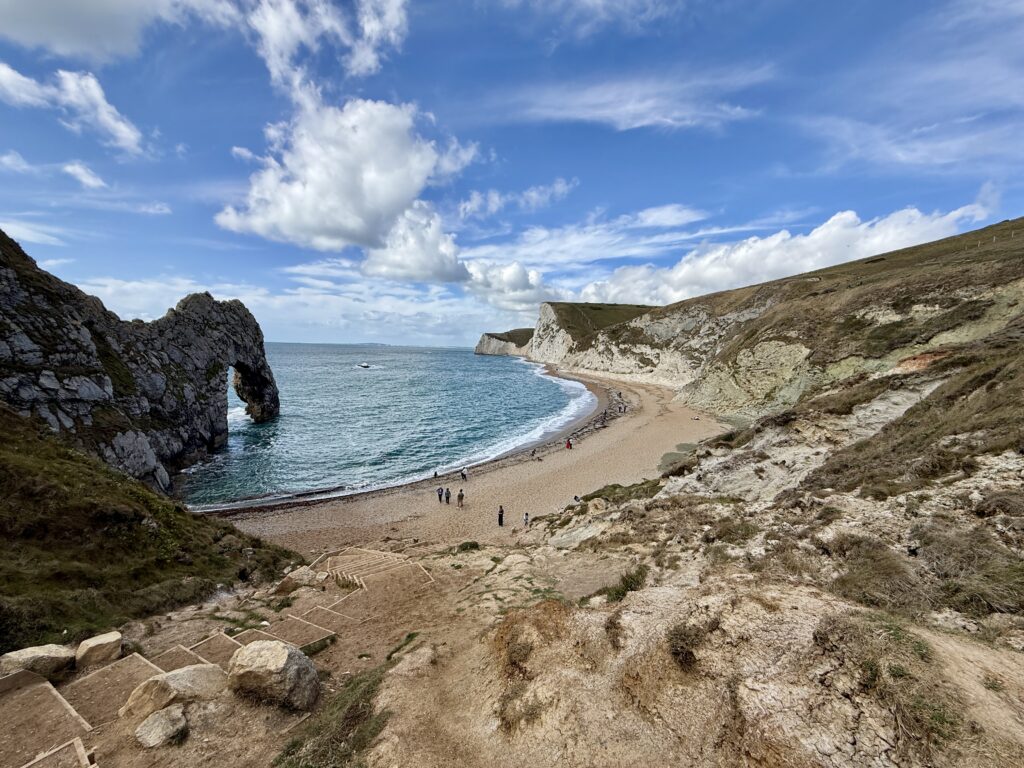
South West England offers a wide range of experiences, from coastal walks and outdoor activities to historic attractions, food and family-friendly days out. Whether you are visiting for a weekend or a longer holiday, there is plenty to explore across Cornwall, Devon, Somerset and Dorset.
You can walk sections of the South West Coast Path, explore Dartmoor and Exmoor, visit historic cities such as Bath and Exeter, or spend time in seaside towns like St Ives, Lyme Regis and Salcombe. The region also offers beaches, watersports, local food and drink, and well-known attractions including the Eden Project, Tintagel Castle and Cheddar Gorge.
For more ideas, see our complete guide to the best things to do in South West England, including places to visit, outdoor activities, attractions and experiences across the region.
12 Outdoor Activities in South West England
South West England is ideal for outdoor activities, from coastal walking and cycling to watersports and wildlife experiences.
- Walk the South West Coast Path – 630 miles of spectacular coastline from Somerset to Dorset.
- Surf at Newquay – World famous beaches ideal for beginners and experienced surfers.
- Hike on Dartmoor – Granite tors, wild moorland and ancient archaeological sites.
- Explore Exmoor – Heather covered hills, river valleys and roaming red deer.
- Fossil hunt at Charmouth or Lyme Regis – Part of the UNESCO listed Jurassic Coast.
- Cycle the Camel Trail – A flat, traffic free route through the Cornish countryside.
- Ride the Tarka Trail – Long, gentle cycling routes across North Devon.
- Walk in the Quantock Hills – Rolling hills, woodland and coastal views.
- Kayak along the River Exe – Calm waters and scenic estuary landscapes.
- Climb Cheddar Gorge – Limestone cliffs and adventurous rock climbing routes.
- Stargaze on Exmoor – One of Europe’s best Dark Sky locations.
- Wild swim in Cornwall – Clear bays, sheltered coves and natural sea pools.
Plan Your Visit to South West England
Start with these practical guides covering travel, accommodation, food, events and essential information across the region.
- Best time to visit South West England
- Getting to South West England
- Where to stay in South West England
- Where to eat and drink
- What’s on in South West England
- Things to do in South West England
- Travel essentials
If you are deciding where to visit in South West England, these introductions to Cornwall, Devon, Somerset and Dorset will help you compare the four counties we cover most extensively and choose where to begin.
Cornwall

Cornwall is England’s far western tip, a rugged peninsula shaped by the Atlantic. With more than 400 miles of coastline, it is defined by dramatic cliffs, sandy beaches, and traditional fishing harbours, making it one of South West England’s most distinctive regions.
Highlights
St Ives is known for its light, beaches and the Tate St Ives gallery. Newquay is a centre for surf culture, with Fistral Beach attracting visitors year-round. Tintagel Castle brings Arthurian legend to life, while the Eden Project offers a very different inland experience. At the county’s edges, Land’s End and the Lizard Peninsula mark mainland Britain’s westernmost and southernmost points, while the Isles of Scilly offer a quieter island escape.
Experiences
Cornwall is ideal for outdoor activities, from coastal walking and beach days to surfing and watersports. The South West Coast Path runs along much of the coastline, offering some of the UK’s best walking. Inland, former mining landscapes now form part of a UNESCO World Heritage Site, adding a historic dimension to the county’s scenery.
Devon

Devon is a county of contrasts, where rolling farmland meets two very different coastlines, and wild moorland sits alongside historic towns and seaside resorts. With both Dartmoor and Exmoor National Parks and a long stretch of coastline, it offers a broad cross-section of what makes South West England so appealing.
Highlights
On the south coast, the English Riviera includes Torquay, Paignton and Brixham, known for sheltered bays, promenades and a long tradition of seaside tourism. The north coast is wilder, with beaches such as Woolacombe and Croyde among the best for surfing. Inland, Dartmoor National Park is defined by granite tors, open moorland and ancient remains, while Exeter provides a compact historic city with a cathedral at its centre and easy access to both coast and countryside.
Experiences
Devon suits outdoor activities, from walking and cycling to sailing and exploring estuaries. Dartmoor offers more rugged routes and remote landscapes, while the Tarka Trail provides a gentler, traffic-free option for cycling and walking. Along the coast, harbours such as Salcombe, Dartmouth and Brixham reflect the county’s maritime heritage.
Somerset

Somerset is a county shaped by history, landscape, and tradition, where Roman heritage, medieval cities, and rural countryside sit alongside wetlands, hills, and coastline. From the Mendips and Exmoor to the Somerset Levels, it offers a quieter but equally rewarding side of South West England.
Highlights
Bath is one of England’s most elegant cities, known for its Roman Baths and Georgian architecture, while Wells is smaller but equally impressive, centred around its cathedral. Cheddar Gorge cuts through the Mendip Hills with dramatic limestone cliffs and caves, and Glastonbury combines history and legend, with the Tor rising above the Levels. To the west, Exmoor National Park offers moorland, woodland and coastal views.
Experiences
Somerset suits those looking for a mix of history and countryside. Walkers can explore the Mendip Hills and Quantock Hills, while the Somerset Levels offer wildlife watching and quieter cycling routes. The county is also known for its cider, with orchards and producers across the region, and for an extensive year-round events calendar, including Glastonbury Festival.
Dorset

Dorset is known for its coastline, historic towns, and countryside, with the Jurassic Coast forming one of South West England’s most distinctive landscapes. Alongside its cliffs and bays, the county also includes market towns, rural villages, and open countryside.
Highlights
The Jurassic Coast is Dorset’s most recognisable feature, with landmarks such as Durdle Door and Lulworth Cove among England’s best-known coastal locations. Lyme Regis combines a traditional seaside setting with fossil-rich cliffs, while Weymouth offers a sandy beach and a busy harbour. Inland, Sherborne Abbey reflects the county’s medieval heritage, and Corfe Castle stands above the surrounding landscape as one of Dorset’s most recognisable historic sites.
Experiences
Dorset is well-suited to coastal walking, with clifftop routes and sea views along much of the coastline. Fossil hunting is popular around Lyme Regis and Charmouth, while inland areas offer quieter walks through rolling countryside and heathland. Wildlife is also a feature of the county, with places such as Brownsea Island known for rare red squirrels and birdlife.

Suggested South West England Itineraries
A Week in Cornwall & Devon
- Days 1 to 2: Explore St Ives and Penzance, with coastal walks and beaches.
- Days 3 to 4: Visit Tintagel Castle and the Eden Project.
- Days 5 to 7: Head into Devon for Dartmoor walks, Torquay and Exeter Cathedral.
A Long Weekend in Dorset
- Day 1: Start in Lyme Regis with fossil hunting and coastal walks.
- Day 2: Explore Durdle Door and Lulworth Cove.
- Day 3: Visit Corfe Castle and relax in Weymouth.
A Cultural Tour of Somerset
- Day 1: Discover Bath, including the Roman Baths and Georgian architecture.
- Day 2: Visit Wells Cathedral and Cheddar Gorge.
- Day 3: Explore Glastonbury Tor and Abbey, and sample local cider.
Local Travel Advice for South West England
Planning a trip to South West England and need a bit of help? We are always happy to offer practical advice based on local knowledge and first-hand experience across Cornwall, Devon, Somerset and Dorset.
Ask a question in our Facebook group or contact us directly.
Ask a question:
ThisIsSouthWest Facebook Group
Get in touch:
Email or WhatsApp
Final Thoughts on Visiting South West England
South West England offers an exceptional mix of coastline, countryside, historic places and local character. Whether you are planning a short break or a longer visit, this region rewards time spent exploring.
Use this page as your starting point, then explore our detailed guides to plan your trip and visit South West England with confidence.
Frequently Asked Questions About Visiting South West England
What counties are included in South West England?
South West England includes Cornwall, Devon, Dorset, Somerset, Bristol, Gloucestershire and Wiltshire, as well as the Isles of Scilly. ThisIsSouthWest.com focuses mainly on Cornwall, Devon, Somerset and Dorset, where most of our first-hand travel coverage is based.
What is South West England known for?
South West England is known for its dramatic coastline, sandy beaches, moorland landscapes, historic cities, local food and distinctive regional character. Highlights include the Jurassic Coast, Dartmoor, Bath, Cornwall’s beaches and the South West Coast Path.
When is the best time to visit South West England?
Late spring and early autumn are often the best times to visit South West England, with milder weather, fewer crowds and good conditions for walking and exploring. Summer is ideal for beaches, festivals and seaside towns, while winter offers quieter coastal scenery and a slower pace.
How many days do you need in South West England?
Most visitors benefit from at least 3 to 5 days in South West England, especially if focusing on one area such as Devon or Dorset. A longer trip of 7 to 10 days gives you more time to explore several counties, including Cornwall and Somerset.
What are the best places to visit in South West England?
Some of the best places to visit in South West England include St Ives, Tintagel, Dartmoor, Bath, Wells, Cheddar Gorge, the Jurassic Coast, Lyme Regis and Durdle Door. The right choice depends on whether you are looking for coast, walking, food, history or a relaxing short break.
Where should I visit in Cornwall?
If you are deciding where to visit in Cornwall, popular choices include St Ives, Tintagel, Newquay, the Lizard Peninsula, Land’s End and the Eden Project. Cornwall is especially good for beaches, coast walks, surfing and scenic short breaks.
Where should I visit in Dorset?
If you are deciding where to visit in Dorset, popular choices include Lyme Regis, Durdle Door, Lulworth Cove, Weymouth, Corfe Castle and the wider Jurassic Coast. Dorset works well for coastal walking, fossil hunting, scenery and historic towns.
What are the best things to do in South West England?
Top things to do in South West England include walking the South West Coast Path, visiting historic towns and cities, exploring Dartmoor and Exmoor, discovering beaches and harbours, enjoying local food and drink, and planning short breaks around the region’s festivals and events.
Is South West England good for a short break?
Yes, South West England works very well for a short break as well as a longer holiday. You can focus on one county, such as Devon or Dorset, or combine several areas if you have more time.
Is South West England good without a car?
South West England can be explored without a car, especially if you focus on cities, larger towns and railway routes such as Exeter, Bath, Plymouth, Penzance and the coast around Dawlish and Exmouth. A car does make it easier to reach smaller villages, rural areas and some parts of the coast and countryside.
What are some of the best places to visit in South England?
Some of the best places to visit in South England are found in the South West, including Bath, Dartmoor, St Ives, the Jurassic Coast, Wells and Cheddar Gorge. These destinations combine coastline, countryside, history and distinctive local character.
Where are the best places to stay in South West England?
The best places to stay in South West England depend on the type of trip you want. Cornwall and North Devon suit beach holidays, Bath and Exeter work well for city breaks, while Dorset and Somerset offer a mix of coast, countryside and short break bases.
Other Helpful Links
- Booking.com – for most accommodation needs. Look out for options that include free cancellation.
- Easy Tide – Free UK tidal prediction service, providing tidal data and tide times for the current day and 6 days into the future.
- Expedia – good for flights and packages.
- Get Your Guide – find and book things to see. Includes unusual things to do.
- Hostelworld – Hostel-focused booking platform that fosters backpacker connections.
- MetOffice – Weather forecasts from the UK official meteorological office.
- National Express– UK-based coach operator providing long-distance bus services
- Omio – Book travel tickets by comparing trains, buses and planes in one search.
- Rental Cars– to search out and book hire cars.
- Rome2Rio – Great for comparing local transport options (and for locating bus stops).
- Ticketmaster – What’s On – Major Events – Venues – Bookings
- Trainline.com – our go-to online platform for booking train and bus tickets, offering route planning, price comparisons, seat reservations, and ticket sales.
- Traffic England – for live traffic updates on major roads.
- Traveline SW – Comprehensive public transport information from A to B by bus, coach, train, and ferry in South West England and Great Britain.
- TripAdvisor – for reviews of… pretty much everything. Our go-to before booking anything.
- Vrbo – Great for self-catering and vacation holiday home rentals.
Over to you … have you recently travelled to South West England? What worked for you? What advice would you give to others? Please leave your comments below or join in the discussion in our Facebook Group.
New to South West England or returning after a while? Start with our ‘Travel Basics‘ – quick guides packed with tips to help you plan your trip.

