

Things to do in South West England include walking the South West Coast Path, visiting the Eden Project, exploring Dartmoor, discovering the Jurassic Coast and spending time in historic towns and small cities. This guide brings together the best things to do in South West England across Devon, Cornwall, Somerset and Dorset, with practical ideas to help you plan your trip.
We live in South West England and explore it year-round, using local knowledge and first-hand experience to help you plan better trips across Devon, Cornwall, Somerset and Dorset.
Best Things to Do in South West England
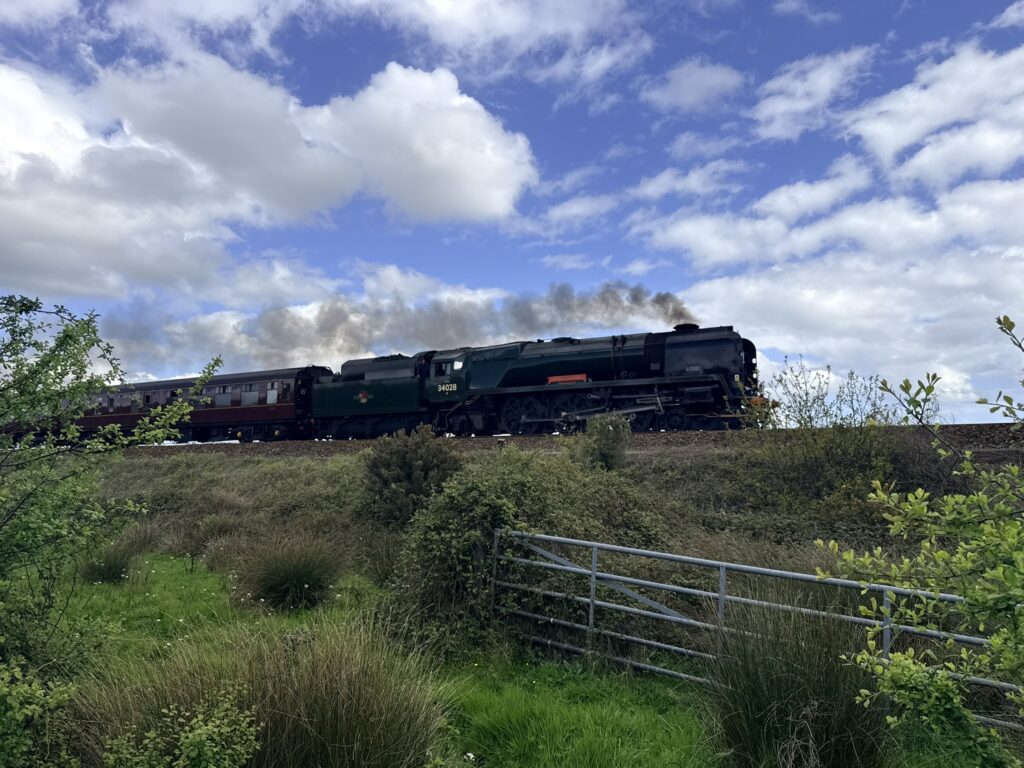
If you are planning a first trip, these are some of the top things to do in South West England, from famous landmarks and beaches to coast paths, cities and family attractions.
Top picks for a first visit to South West England
This quick list gives a clear starting point for planning your trip. You can explore more detailed ideas in our regional guides, including things to do in Devon, things to do in Cornwall, things to do in Somerset and things to do in Dorset.
- Visit the Eden Project, one of the South West’s best-known attractions.
- Walk part of the South West Coast Path for some of the region’s best coastal scenery.
- Explore Dartmoor National Park for open moorland, walking routes and dramatic landscapes.
- Discover the Jurassic Coast, including Durdle Door and Lulworth Cove.
- Spend a day at beaches such as Woolacombe, Perranporth, Weymouth or Exmouth.
- Visit historic cities such as Bath, Exeter, Plymouth or Truro.
- Explore harbour towns such as St Ives, Dartmouth, Padstow or Falmouth.
- Visit iconic landmarks such as St Michael’s Mount and Tintagel Castle.
- Ride a heritage railway such as the West Somerset Railway, the South Devon Railway, or the Seaton Tramway.
- Take a boat trip on the River Dart or along the Cornish coast.
- Visit family attractions such as Crealy Theme Park, Paignton Zoo, Wookey Hole or the National Marine Aquarium.
- Explore natural landmarks such as Cheddar Gorge, Kents Cavern or Lydford Gorge.
- Visit gardens and estates such as the RHS Garden Rosemoor, Bicton Park Botanical Gardens or the Lost Gardens of Heligan.
- Enjoy local food at farm shops, harbourside cafés and traditional pubs across the region.
Discover what’s on during your visit with our What’s On in South West England guide, covering festivals, events and seasonal highlights across the region.

Map of South West England
Use this map to understand distances and how key places are spread across Devon, Cornwall, Somerset and Dorset. Journeys often take longer than they look on the map, so it helps to get a clear sense of your route before planning each day.
- Best Things to Do in South West England
- Map of South West England
- Visiting the South West for the First Time: What to Know Before You Go
- Best Coastal Things to Do in South West England
- Best beaches in South West England: Cornwall, Devon, Somerset and Dorset
- Countryside, Moorland and Walking in South West England
- Best Cities to Visit in South West England
- Best Towns and Villages to Visit in South West England
- Best Family Things to Do in South West England
- Top family attractions in South West England
- Free Things to Do in South West England
- Outdoor Activities in South West England
- Things to Do in South West England in the Rain
- Practical planning and safety awareness
- Planning your trip to South West England
- Frequently asked questions
- Other Helpful Links
Disclosure: Some of the outbound links on this page are affiliate links to sites that we use and would genuinely recommend. Using them doesn’t cost you extra, but it does help support this free guide. We also provide links to other sites that we believe may be helpful to you.
Visiting the South West for the First Time: What to Know Before You Go
If you are visiting the South West of England for the first time, think of it not as one destination but as a series of places linked by coastline, landscape and a slower pace of travel. Cornwall, Devon, Dorset and Somerset each have their own character, yet they share a pace shaped by tides, weather and distance.
At first glance, the South West can appear straightforward to navigate on a map. In reality, journeys often take a little longer than expected, so it usually pays not to pack too much into a single day. Leaving space between plans makes travel feel calmer and helps the stay unfold naturally rather than rushing from place to place.
Where to base yourself
On a first visit, choosing one or two bases rather than moving every night usually results in a better holiday. Coastal towns with rail links, estuary villages and small cities all work well for day trips, especially if you plan ahead using our guide to the best places to stay in South West England.
Staying near the coast provides easy access to beaches, boat trips, and coastal walks, while inland bases near Dartmoor, Exmoor, or the Blackdown Hills are better suited to walking, cycling, and quieter countryside days. Cities such as Exeter, Plymouth or Truro can also make practical bases, particularly if you are travelling without a car and want good transport links alongside places to eat, stay and explore.
How long to allow
The South West suits both short breaks and longer stays, but you will get more from your trip if you focus on two or three activities. A long weekend works well when you focus on one area, such as North Devon, West Cornwall, the Jurassic Coast or East Devon, rather than racing between highlights. Even with a full week, there is no need to try to cover everything. We have spent a lifetime exploring the region, and there are still places left to discover.
Getting around

You do not always need a car, especially if you base yourself near a railway line or in a walkable town. Our guide to getting to South West England explains the main rail routes, ferry crossings, and public transport options in more detail, but branch railways, ferries, local buses and traffic-free trails all make car-free days realistic and enjoyable.
For planning these journeys, the Great Scenic Railways website is especially useful. It brings together the region’s branch lines and scenic routes, with ideas for days out, walking links and places you can reach easily by train.
That said, rural areas and smaller villages are easier to reach by car, and flexibility helps when weather or tides affect plans. Many visitors choose a varied approach, combining trains and ferries with occasional car hire to reach more remote parts of the region without committing to daily driving.
When to visit South West England
Summer brings warm weather, lifeguarded beaches and a busy events calendar, but it also brings higher prices and more traffic. Our guide on when to visit South West England breaks down the seasons in more detail. For those not tied to school holidays, spring and early autumn are often ideal for a first visit, with quieter beaches, excellent walking conditions and long daylight hours.
Winter visits can be rewarding too, particularly for city breaks, coastal walks and dramatic scenery, but some attractions, boat services and transport links are seasonal. Outside peak months, it is worth checking opening times in advance and planning days with a little more flexibility.
What to prioritise
For a first visit, it is usually best to balance a few headline experiences with plenty of unplanned time. Beaches, coastal walks, a town or city, and one inland day often make a good combination.
Many of the most memorable moments come from simple experiences: a ferry crossing, a harbour walk, a café stop, or watching the weather roll in over the sea. Allowing a little extra time lets these moments happen naturally.
Booking and planning tips
Popular activities such as surfing lessons, boat trips, and guided walks can fill up quickly during school holidays, so booking in advance helps. Outside peak season, flexibility is often more useful than planning.
Accommodation fills up early in summer, particularly in smaller coastal towns. For a first visit, we prefer Booking.com because flexible cancellation options can make planning feel less stressful if plans change.
Best Coastal Things to Do in South West England

For many visitors, particularly those travelling with families, the coast is central to their plans in South West England. The region has hundreds of miles of shoreline, from wide sandy bays to shingle beaches, hidden coves and working harbours.
Cornwall is best known for its Atlantic beaches, surfing culture and long stretches of open sand. Devon offers a contrast between the exposed north coast and the more sheltered south, where estuaries, beaches and seaside towns are close together. Dorset’s Jurassic Coast combines dramatic scenery with geology and history, while Somerset’s coastline brings big skies, wildlife and some of the largest tidal ranges in the world.
Beach days remain popular, but the coast is not only a summer destination. Walking, wildlife watching, photography, and simply spending time by the sea are enjoyed year-round, with many locals preferring the quieter months.
Alongside the beaches, visitors can choose from boat trips, short ferry crossings, harbour cruises and coastal viewpoints. These provide ways to experience the coastline without committing to more demanding water activities.
Useful beach links
- Blue Flag Overview and Current Blue Flag Beaches
- RNLI beach safety (flags, Float to Live, lifeguarded beaches).
- HM Coastguard: what to do in an emergency
- The UK Met Office: For up-to-date weather forecasts.
- Tide Times: From the UK Admiralty
Best beaches in South West England: Cornwall, Devon, Somerset and Dorset
Looking for the best beaches in South West England? It is designed to help you choose the right coast for your trip, whether you want family-friendly facilities, surf, calmer waters, coastal walking or big skies.
Cornwall beaches
- Fistral Beach, Newquay: Cornwall’s best-known surf beach, with reliable waves, RNLI lifeguards in season and a lively seafront feel.
- Perranporth Beach: a huge, open sweep of sand that suits long walks, family days and sunset evenings when the tide is out.
- Gwithian Towans: wide sands backed by dunes, great for space, beach games and breezy walks, with strong Atlantic energy.
- Watergate Bay: a long bay near Newquay that works well for surf lessons and scenic coastal walks above the sand.
- Porthcurno Beach: a sheltered cove with striking turquoise water in calm weather, close to cliff paths and dramatic viewpoints.
- Kynance Cove, The Lizard: one of Cornwall’s most photographed coves, best timed for low tide when sand and rock formations appear.
Devon beaches
- Woolacombe Beach, North Devon: three miles of sand with space for families, surf and long shoreline walks.
- Saunton Sands: a classic North Devon surf and walking beach backed by dunes, with big views and plenty of room even in summer.
- Croyde Bay: a smaller, energetic beach with strong surf culture and coastal scenery, popular for lessons and beach breaks.
- Westward Ho!: a wide beach with a long promenade and seasonal facilities, good for easy access and family-friendly days out.
- Exmouth Beach: a long, accessible resort beach on the Jurassic Coast gateway, ideal for relaxed swims in settled conditions and easy seafront days.
- Bantham Beach, South Devon: a scenic sandy beach with coastal path views and a wilder feel, popular for walking and paddling at lower tide.
- Bigbury-on-Sea: a family favourite with a broad sandy bay and the Burgh Island sea tractor, great for classic seaside atmosphere.
Dorset beaches
- Weymouth Beach: a long, sandy, family-friendly beach close to town facilities, with safe shallows in calm conditions.
- Bournemouth Beach: a classic wide resort beach with lots of facilities and easy access, useful for simple seaside days.
- Durdle Door: a dramatic limestone arch and shingle beach, best for scenery and short visits rather than long swim sessions.
- Lulworth Cove: a sheltered, circular bay that suits rockpooling, gentle paddling and starting points for coastal walks.
- Kimmeridge Bay: a top spot for rockpools and geology on the Jurassic Coast, with a rugged feel and big sea views.
- Studland Bay: long sands and dunes near the harbour entrance, good for beach walks and calmer-water days when conditions suit.
Somerset beaches
- Brean Beach: a long, open stretch with huge Bristol Channel skies and a strong sense of space, especially at low tide.
- Berrow Beach: wide sands and dunes that feel quieter than the bigger resorts, ideal for breezy walks and simple seaside time.
- Weston-super-Mare Beach: a classic Somerset seafront with amusements and promenade walking, best enjoyed with an eye on the tide.
Tip for planning: tide times and sea conditions make a big difference on the South West coast. For safer swimming, choose lifeguarded beaches in season and follow RNLI flag guidance. For quieter trips, aim for early mornings, midweek visits and shoulder-season breaks when the coastline feels calmer and more spacious.
Countryside, Moorland and Walking in South West England

Away from the sea, the South West opens out into farmland, wooded valleys and two large national parks. Dartmoor and Exmoor offer wide horizons, ancient tracks and a sense of scale that feels very different from the coast. If you are new to the moor, our guide to booking a guided tour of Dartmoor explains when a local guide can add real value, particularly for first-time visitors.
Walking is one of the most popular inland activities, with routes ranging from gentle riverside paths to more exposed moorland crossings. Well-known routes include sections of the Tarka Trail in North Devon, the riverside walks around Tarr Steps on Exmoor, and woodland trails through places such as Haldon Forest Park near Exeter. These are easy ways to experience the countryside without needing specialist navigation.
For more distinctive landscapes, Lydford Gorge on Dartmoor offers dramatic river scenery and the White Lady Waterfall, while the Valley of Rocks near Lynton combines coastal views with grazing wild goats and unusual rock formations. On Dartmoor itself, routes around Postbridge, Haytor and Widecombe-in-the-Moor provide accessible introductions to tors, rivers and open moorland.
Cycling is also well supported, especially on traffic-free trails that follow former railway lines or estuaries. The Granite Way near Okehampton and the Camel Trail in Cornwall are among the best-known routes, offering relatively gentle riding with wide views and regular places to stop.
Much of the region’s quieter side lies inland, encompassing wildlife reserves, historic houses, gardens, reservoirs, and small villages. Areas such as the Blackdown Hills and the Quantock Hills are often overlooked but reward slower exploration, particularly outside school holidays.
For visitors unfamiliar with moorland terrain, both weather and navigation deserve respect. Conditions can change quickly, and some parts of the moors are genuinely remote, even when they appear close to towns or roads on a map.
Best Cities to Visit in South West England

The South West is not just about coastlines and countryside. Its cities add history, culture, food and practical transport links, making them good places to visit in their own right as well as useful bases for exploring the wider region.
Exeter, Devon
Exeter is one of the best base cities in South West England, combining history, transport links and easy access to the coast and countryside. The cathedral sits at its heart, while the quayside offers cafés, walking routes and watersports along the River Exe.
Bath, Somerset
Bath is the South West’s standout historic city, known for Roman heritage, Georgian architecture and elegant streets. It suits a short break focused on culture, history and food, all within a compact, walkable centre.
Plymouth, Devon
Plymouth is best for maritime history and waterfront views, with a strong connection to Britain’s seafaring past. The Barbican, Plymouth Hoe and harbour give it a distinctive feel, while ferry links make it a gateway to South Devon and Cornwall.
Truro, Cornwall
Truro is the best small city base in Cornwall, offering a central location with a more relaxed pace. Its cathedral, independent shops and position between the north and south coasts make it practical for exploring.
Wells, Somerset
Wells is England’s smallest city and best for a slower, characterful visit. Its cathedral, medieval streets and relaxed pace make it an ideal quieter stop close to the Mendip Hills.
Quick list: Best cities to visit in South West England
- Exeter – best for a central Devon base with strong transport links
- Bath – best for historic architecture and city breaks
- Plymouth – best for maritime history and waterfront views
- Truro – best for exploring Cornwall from a central location
- Wells – best for a small, characterful city with a slower pace
Historic streets, cathedrals, museums, galleries and waterfront areas give South West cities a different feel from the surrounding coast and countryside. Because most are relatively small, they are easy to explore on foot and suit short breaks, bad-weather days and car-free trips.
Best Towns and Villages to Visit in South West England

Not every day in the South West needs to centre on major attractions. Some of the most enjoyable moments happen in towns and villages, where harbours, markets and everyday life bring character and atmosphere.
Across Cornwall, Devon, Somerset and Dorset, these smaller places offer coastal views, independent shops, local food and easy walks. They also make excellent bases or relaxed stop-offs between larger destinations.
Cornwall towns and harbour favourites
St Ives
A choice of galleries, beaches and coastal walking, with a strong artistic feel and some of Cornwall’s best scenery.
Falmouth
A lively harbour town with boat trips, beaches nearby and a good year-round atmosphere.
Padstow
A food-focused harbour town with estuary walks, ferry links and easy access to the Camel Trail.
Penzance
A useful base for exploring west Cornwall, with coastal routes, sea views and access towards Land’s End.
Devon towns for coast, food and day trips
Exmouth
A classic seaside town with a long beach, easy access to the Exe Estuary and a practical base for East Devon.
Sidmouth
A Regency-style coastal town with red cliffs, a relaxed pace and good coastal walking.
Dartmouth
A scenic river town known for boat trips, harbour views and connections to South Devon beaches.
Totnes
An independent town with markets, shops and access to Dartmoor and the South Hams.
Ilfracombe
A North Devon harbour town with coastal paths, sea views and access to nearby beaches.
Dorset towns along the Jurassic Coast
Lyme Regis
Known for fossils, coastal walks and a strong independent high street.
Weymouth
A traditional seaside town with a long sandy beach, harbour and easy access to coastal highlights.
Bridport and West Bay
A market town paired with a dramatic harbour coastline and good walking routes.
Swanage
A compact coastal town with beach access, a steam railway and views across the Jurassic Coast.
Somerset towns for history and slower days
Wells
A small city with a cathedral, historic streets and an easy pace, ideal for short visits.
Frome
Known for independent shops, cafés and markets, with a strong local feel.
Glastonbury
Distinctive and historic, with views from Glastonbury Tor and access to the surrounding countryside.
Watchet
A small harbour town with coastal views, local history, and a quieter, less-visited feel.
Taunton
Somerset’s county town, offering shopping, riverside walks and easy access to the Quantock Hills and surrounding countryside.
Weston-super-Mare
A traditional seaside resort with a long sandy beach, pier, attractions and a classic coastal atmosphere.
Langport
A small market town set on the River Parrett, known for its independent shops, antiques and relaxed rural setting.
Quick list: Best towns and villages to visit in South West England
- St Ives – best for beaches and art
- Dartmouth – best for harbour views and boat trips
- Lyme Regis – best for fossils and coastal walking
- Padstow – best for food and estuary walks
- Sidmouth – best for a relaxed seaside feel
- Frome – best for independent shops and markets
- Wells – best for a small historic city experience
- Taunton – best for a practical base with countryside access
- Weston-super-Mare – best for a classic seaside day out
- Langport – best for a quieter riverside setting
- Glastonbury – best for history and the surrounding countryside
- Watchet – best for a small harbour town with coastal views
Harbours, high streets and local markets make these towns easy to explore without planning. Many sit directly on walking routes or near beaches and estuaries, so it is worth leaving space in your itinerary for short stops and unplanned detours.
Best Family Things to Do in South West England

Families visiting the South West will find plenty to do beyond the beach. Zoos, aquariums, heritage railways, interactive museums and outdoor adventure parks are spread across the region, often within easy reach of one another. This variety makes it easier to balance active days with gentler outings, and to adapt plans as you go.
Many family attractions include indoor and outdoor spaces, so your day can continue even if the weather changes. Others are seasonal but noticeably quieter outside school holidays, when crowds are lighter, and children are usually in school, making visits calmer and easier to enjoy. For many families, that flexibility is one of the South West’s biggest strengths.
For families, this range of attractions makes it easier to plan family-friendly activities in South West England for all ages and weather conditions.
Top family attractions in South West England
Families visiting the South West of England will find a wide range of established attractions beyond beaches. These are some of the most popular and reliable options across Cornwall, Devon, Dorset and Somerset, many of which work well in mixed weather and suit half-day visits.
- Crealy Theme Park & Resort (near Exeter, Devon) – large family theme park with rides, animals and indoor play.
- Paignton Zoo (South Devon) – one of the UK’s largest zoos, set in extensive parkland.
- National Marine Aquarium (Plymouth, Devon) – indoor marine attraction ideal for wet or windy days.
- Eden Project (Cornwall) – iconic biomes, outdoor gardens and year-round family events.
- The Lost Gardens of Heligan (Cornwall) – historic gardens with woodland trails and farm animals.
- Newquay Zoo (Cornwall) – compact, family-friendly zoo close to town and beaches.
- Monkey World (Dorset) – rescue centre focused on primates, popular with younger children.
- The Tank Museum (Bovington, Dorset) – interactive military museum with family trails and displays.
- Dorset Heavy Horse Farm Park (near Dorchester) – animals, play areas and tractor rides.
- Wookey Hole Caves (Somerset) – show caves combined with indoor attractions and activities.
- West Somerset Railway (Somerset) – heritage steam railway with coastal and countryside stops.
- Seaton Tramway (East Devon) – open-top trams through wetlands and estuary landscapes.
- Babbacombe Model Village (Torquay, Devon) – miniature scenes and gardens, ideal for mixed ages.
- Killerton House (Devon, National Trust) – parkland, gardens and seasonal family trails.
- Tintagel Castle (Cornwall) – dramatic ruins linked to Arthurian legend, best for older children.
- Dartmoor Zoo (Devon) – wildlife park set within Dartmoor National Park.
- Fleet Air Arm Museum (Yeovilton, Somerset) – large indoor aviation museum with interactive exhibits.
- Lappa Valley Steam Railway (Cornwall) – gentle train rides and outdoor play areas for younger families.
- Rocky Valley and St Nectan’s Glen (near Tintagel, Cornwall) – short walks combining nature and history.
Free Things to Do in South West England
There are plenty of free things to do in South West England, from beaches and coastal walks to national parks, towns and viewpoints. Many of the region’s best experiences cost nothing, making it easy to plan days out without booking attractions or paying entry fees.
Beaches and coastal walks
Most of the best beaches in South West England are free to access, from wide sandy bays to smaller coves and traditional seaside resorts. Walking the South West Coast Path is also free and offers some of the region’s most memorable views, whether you choose a short section near Durdle Door or a longer walk along the North Devon or Cornish coast.
National parks and countryside
Dartmoor National Park and Exmoor National Park offer free access to open landscapes, walking routes and viewpoints, from granite tors to coastal cliffs.
Towns, villages and harbours
Exploring towns and villages is one of the simplest free things to do in South West England, with places such as St Ives, Dartmouth and Lyme Regis suited to wandering without a plan.
Free attractions and nature reserves
Some attractions are free to enter, including The Donkey Sanctuary and nature reserves such as Seaton Wetlands and Dawlish Warren Nature Reserve. These combine wildlife, walking and open space, often with facilities such as trails and viewing areas.
Viewpoints and simple experiences
Many of the most memorable moments in the South West come from simple, free experiences such as watching the sea, walking to a viewpoint or following a river or estuary path. Coastal headlands, moorland viewpoints and harbour walks often provide the best sense of place without needing tickets or planning.
Free does not always mean entirely without cost, as parking, transport and seasonal access can still apply. Checking details in advance and visiting outside peak times often makes these places easier to enjoy.
Outdoor Activities in South West England
Outdoor activities remain a major draw, particularly for visitors interested in surfing, coasteering, sailing, paddlesports, diving, horse riding and climbing. Local instructors and centres often run these experiences, using their knowledge of tides, weather and how each location will be on the day.
For visitors without local knowledge, guided sessions provide both safety and context, making the activity a better overall experience. Platforms such as GetYourGuide and TripAdvisor make it easier to browse options, compare reviews and book ahead, while still leaving room to adapt plans.
Not every activity suits every season, and flexibility matters. In the South West, conditions often dictate what works best on the day, rather than rigidly sticking to a fixed itinerary.
Popular outdoor activities in South West England include
- Surfing
Widely available along the Cornwall and North Devon coasts, with consistent beach breaks and strong lifeguard coverage in season. Lessons are recommended for beginners, as instructors cover tides, rip currents and board control alongside technique. - Coasteering
A guided coastal adventure combining swimming, scrambling and controlled jumps. Routes change daily depending on sea state and tides, making local knowledge essential. - Sailing and boating
Ranging from dinghy sailing and short harbour trips to cruising and powerboating. Sheltered south coast estuaries and inland lakes are popular for learning, while exposed waters suit experienced sailors. - Paddleboarding and kayaking
Suitable for a wide range of abilities. Calm rivers, canals and estuaries work well for beginners, while coastal routes and longer journeys suit confident paddlers with local guidance. - Diving and snorkelling
British waters offer reefs, wrecks and rich marine life. Conditions vary, so flexibility and appropriate thermal protection are key. Training and guided dives are strongly recommended. - Horse riding
Offered across beaches, dunes and moorland, often with seasonal or tidal restrictions. Approved riding centres manage access carefully and match horses to rider ability. - Climbing and caving
Focused mainly on limestone areas such as the Mendips and Cheddar Gorge. These activities require qualified supervision due to changing ground conditions and weather sensitivity. - Walking and hiking
From short coastal loops to long-distance routes like the South West Coast Path. Moorland walking on Dartmoor and Exmoor adds a very different experience, particularly in quieter seasons. - Cycling
Traffic-free trails along former railway lines and estuaries make cycling accessible for families, while longer routes and moorland roads appeal to experienced riders.
Things to Do in South West England in the Rain

Not every day is suitable for the beach or countryside, but there are still plenty of indoor attractions in South West England to choose from.
Museums and galleries are spread throughout the region, telling the story of local history, industry and landscape, and it is well worth hunting out the smaller ones. Maritime collections, Roman sites, geology museums and regional art galleries offer an easy change of pace and work well for half-day visits. Devon, in particular, offers a strong selection of city museums, coastal heritage centres, and smaller independent collections that are easy to visit in a day.
Aquariums and wildlife centres are especially popular with families and regularly feature on lists of things to do in the rain. They keep you connected to the coast while you stay dry. With indoor exhibits and sheltered outdoor areas, you can still explore between showers.
Historic houses, castles and estates are another reliable option in bad weather. Many include generous indoor spaces, cafés, covered courtyards and short walks you can enjoy when the rain eases. These visits are often calmer outside peak summer months and work well year-round.
For more active indoor options, climbing centres, leisure pools, and activity hubs are available across Cornwall, Devon, Somerset, and Dorset. In Devon, they are particularly useful as a fallback option on wet or windy days, especially when travelling with children or looking to stay active without committing to full outdoor conditions.
Finally, poor weather can be an invitation to slow down. Cafés, food halls, covered markets and harbour-side pubs offer a relaxed way to enjoy local food and atmosphere without rushing between attractions.
Indoor attractions in South West England
Museums and galleries
- Royal Albert Memorial Museum (Exeter) – Wide-ranging collections covering natural history, archaeology and world cultures.
- The Box (Plymouth) – Large regional museum and gallery with changing exhibitions.
- National Maritime Museum Cornwall (Falmouth) – Excellent for all ages, focused on Cornwall’s seafaring history.
- Dorset Museum (Dorchester) – Strong on local history, geology and Thomas Hardy connections.
- Museum of Somerset (Taunton) – Regional history and archaeology in a compact indoor space.
Aquariums and wildlife centres
- National Marine Aquarium (Plymouth) – The UK’s largest aquarium, largely indoors and weather-proof.
- Blue Reef Aquarium Newquay (Newquay) – Popular with families and well placed for wet coastal days.
Historic houses, castles and estates
- Killerton House (Devon) – Large house with indoor displays and sheltered grounds.
- Knightshayes Court (near Tiverton) – Victorian interiors paired with formal gardens.
- Powderham Castle (near Exeter) – Historic interiors with cafés and covered areas.
- Tintagel Castle (Cornwall) – Best known outdoors, but the visitor centre and exhibitions help in poor weather conditions.
Indoor activity centres
- The Climbing Hangar (Exeter) – Indoor bouldering suitable for beginners and families.
- Clip ‘n Climb Plymouth (Plymouth) – Short, accessible climbing sessions for children.
- Quay Climbing Centre (Exeter) is a large indoor climbing venue with a wide choice of walls and bouldering.
Food halls, markets and covered spaces
- Barnstaple Pannier Market – A large historic covered market in North Devon, known for local produce, crafts and regular market days.
- Tavistock Pannier Market – One of Devon’s best-known pannier markets, still very much part of everyday town life with a variety of interesting stallholders.
- Tiverton Pannier Market – A smaller but characterful indoor market hall, well suited to browsing local food and handmade goods, whatever the weather.
- Darts Farm – A flagship farm shop near Exeter known for West Country produce, artisan food and relaxed places to eat.
- Strawberry Fields Farm Shop – A long-established, family-run farm shop with strong local sourcing and seasonal produce.
- Exe Valley Farm Shop – A friendly stop for local meat, dairy and baking, with a café that makes it easy to linger.
- Greendale Farm Shop – A well-known East Devon farm shop with an extensive deli, bakery and café alongside local produce.
Together, these options form just some of the most reliable indoor attractions in South West England, particularly useful outside peak summer weather.
Note: Not every activity runs year-round, and availability can change with daylight hours, weather and demand. Booking a few days ahead often gives better options than booking weeks in advance. Many visitors also benefit from keeping one or two days unplanned, allowing conditions to guide choices.
Practical planning and safety awareness

A little preparation improves almost every experience in the South West, without taking away the sense of freedom that draws people here in the first place.
Tides affect access to coves, beach walks, ferry crossings, and sections of the coast path, and they can completely change a place’s character within a few hours. Checking tide times before you set out helps you arrive at the right moment and avoids the frustration of being cut off or missing a route you hoped to use.
It is also worth thinking about mobile coverage. Signal can be patchy on parts of the coast, so checking tide times in advance is sensible. The free EasyTide service is a reliable option and works well for planning before you leave somewhere with reception.
The weather is equally important. Conditions can change quickly near the sea or on higher ground, particularly on Dartmoor and Exmoor, where wind, mist and rain can arrive with little warning. Checking forecasts from the UK Met Office gives the most reliable local detail, but even then, a bright outlook does not always reflect how exposed a coastal headland or moorland plateau will feel. Carrying extra layers and waterproofs, even on short outings, helps keep days comfortable and flexible.
Distances in the South West often feel longer than they look on a map. Rural roads, estuaries, ferries and branch railway lines rarely follow straight lines, and sat navs can be especially optimistic, sometimes sending motorhomes and caravans down lanes that do not suit them. Allowing extra travel time reduces pressure and makes it easier to enjoy stops along the way, rather than treating journeys as something to endure.
Practical planning usually comes down to a few simple checks, such as the weather forecast, tide times, transport options and opening hours. Local signs, visitor information and official advice are there to help, especially in coastal and rural areas where conditions can change quickly, and are worth paying attention to.
A little planning goes a long way in the South West. Keeping an eye on forecasts, tide times, transport, and opening hours helps days run smoothly, while local signs and visitor information offer useful guidance on the ground. Taken together, these small checks make it easier to relax, adapt and enjoy the region at its best.
Planning your trip to South West England
Explore South West England at a steady pace, with time for coast, countryside, towns and a few well-chosen attractions. Whether you are visiting for a long weekend or a longer holiday, focusing on one or two areas at a time usually leads to a more relaxed and enjoyable trip.
The region suits both simple experiences and well-known sights. A coastal walk, a harbour stop, a local café or a ferry crossing often becomes the most memorable part of the day. Leave space in your plans, check tides and weather, and use this guide to shape your itinerary.
This guide to the best things to do in South West England brings together coast, countryside, towns and practical planning advice to help you make the most of your visit.
Frequently asked questions
What are the best things to do in South West England for first-time visitors?
For a first trip, aim for a good balance of coast, countryside and towns. A beach day, a South West Coast Path walk, time in a harbour town, one inland day on Dartmoor or Exmoor, and a small city such as Exeter or Bath usually works well. Add a family attraction or indoor option as a backup, and leave room for markets, ferries and unplanned stops.
Do you need a car to explore South West England?
You do not always need a car, especially if you stay in a walkable town or near a railway line. Trains, branch lines, ferries and local buses make many day trips possible, particularly on the main visitor routes. A car is more useful for remote beaches, moorland areas and smaller villages, so many visitors combine public transport with occasional car hire.
What are the best things to do in the rain in South West England?
Rainy days are a good time to slow the pace. Museums, galleries, aquariums and historic houses are reliable options, while covered markets, farm shops and food halls make easy stops. In bigger towns and cities, cinemas, indoor climbing centres and leisure pools can also work well when the weather turns.
When is the best time to visit South West England?
Late spring, summer and early autumn are usually the best times to visit South West England. Summer brings the warmest weather, lifeguarded beaches and the busiest events calendar, but it is also the busiest season. Spring and early autumn often offer milder weather, quieter places and very good walking conditions.
How long do you need in South West England for a first trip?
A long weekend is enough if you focus on one area such as East Devon, North Devon, West Cornwall or the Jurassic Coast. A week gives you time to combine beaches, harbour towns, countryside and a few attractions without constantly moving on. For a broader South West England trip, 10 days or more allows a more relaxed pace.
Why do tide times and weather forecasts matter on the South West coast?
Tide times can affect access to coves, beach walks, ferry crossings and some sections of the coast path, and the same place can look very different within a few hours. Weather can also change quickly near the sea and on higher ground. Checking tide times and the forecast before setting out helps with safety and planning.
Other Helpful Links
- Booking.com – for most accommodation needs. Look out for options that include free cancellation.
- Easy Tide – Free UK tidal prediction service, providing tidal data and tide times for the current day and 6 days into the future.
- Expedia – good for flights and packages.
- Get Your Guide – find and book things to see. Includes unusual things to do.
- Hostelworld – Hostel-focused booking platform that fosters backpack connections.
- MetOffice – Weather forecasts from the UK’s official meteorological office.
- National Express– UK-based coach operator providing long-distance bus services
- Omio – Book travel tickets by comparing trains, buses and planes in one search.
- Rental Cars– to search out and book hire cars.
- Rome2Rio – Great for comparing local transport options (and for locating bus stops).
- Ticketmaster – What’s On – Major Events – Venues – Bookings
- Trainline.com – our go-to online platform for booking train and bus tickets, offering route planning, price comparisons, seat reservations, and ticket sales.
- Traffic England – for live traffic updates on major roads.
- Traveline SW – Comprehensive public transport information from A to B by bus, coach, train, ferry in South West England and Great Britain.
- TripAdvisor – for reviews of… pretty much everything. Our go-to before booking anything.
- Vrbo – Great for self-catering and vacation holiday home rentals.
Over to you … have you recently travelled to South West England? What worked for you? What advice would you give to others? Please leave your comments below or join in the discussion in our Facebook Group.
New to South West England or returning after a while? Start with our ‘Travel Basics’ – quick guides packed with tips to help you plan your trip.

