South West England, stretching from the granite tors of Dartmoor to the sandy bays of Cornwall and the chalk cliffs of Dorset, is one of Britain’s most visited regions. Its landscapes are wild and beautiful, its history stretches back to prehistory, and its traditions, well, they are shaped by both the sea and the land, and woven into everyday life.
For visitors, however, the practicalities of travel here can be unfamiliar. The South West’s (narrow) winding roads, tidal beaches, and centuries-old towns make for wonderful exploration, but also call for a bit of preparation. We hope that this section of our visitor guide will provide you with everything you need to know before you set out, including accessibility, family travel, health and insurance, money, communications, and a little cultural context to help you feel at home.
Disclosure:Some of the outbound links on this page are affiliate links to sites that we use and would genuinely recommend. Using them doesn’t cost you extra, but it does help support this free guide. We also provide links to other sites where we believe their inclusion may be helpful to you.
Driving in the South West: What International Visitors Need to Know
For many overseas visitors, hiring a car (or bringing your own by Eurotunnel or ferry) is the most flexible way to explore South West England. Public transport connects larger towns and cities, but some secluded coves, moorland villages, and cliff-top viewpoints can only be reached by car. Driving here can be rewarding, with some of the views simply outstanding, but driving in the UK comes with quirks that are best understood before you set out.
Left-hand driving and roundabouts
The UK drives on the left-hand side of the road, and if you are in a hire car, the steering wheel will be on the right. Roundabouts are common (including the ubiquitous mini-roundabouts); traffic flows clockwise, and you must give way to vehicles approaching from your right. These rules are clearly set out in The Highway Code, and it’s worth reading before your first journey.
Narrow roads and passing places
The South West’s lanes are notoriously narrow. You’ll see what we mean. Expect rural lanes lined with tall hedgerows, banks or on Dartmoor granite walls, often barely wide enough for two vehicles. Passing places are (usually) frequent, and local etiquette is to pull in or reverse carefully when needed. Tractors, livestock, and even Dartmoor ponies may block the road, so drive slowly and be ready to stop. Again, The Highway Code emphasises that drivers must always give way if the road ahead is not clear.
Speed limits and enforcement
Speed limits are posted in miles per hour:
A maximum of 70 mph (112 km/h) on motorways and dual carriageways with a central reservation.
60 mph (96 km/h) on single carriageways
30 mph (48 km/h) in built-up areas, sometimes reduced to 20 mph in residential zones or near schools
Speed cameras are widespread. Unlike in some countries, exceeding the limit by even a few miles per hour can result in fines.
Fuel
Petrol (gasoline) and diesel are widely available, though rural stations may be far apart, so it’s best not to let your tank run too low. Fuel is sold by the litre, and you usually fill the car yourself before paying inside or at the pump.
Accessibility and adapted vehicles
For visitors with mobility needs, major hire companies such as Avis UK, Europcar, and specialists like Adapted Vehicle Hire or Allied Mobility can provide vehicles with hand controls or wheelchair access. Booking well in advance is essential, particularly in summer when demand peaks.
Parking and car parks
Coastal villages and towns often have limited parking, particularly during the summer. Most use “Pay & Display” machines or mobile apps such as RingGo. Double yellow lines mean “no parking at any time,” and enforcement officers are strict. The Highway Code also outlines where and how you can legally park.
Drink-driving, seat-belts and mobile phones
The UK’s drink-driving limits are lower than in many countries, and penalties are severe. The safest choice is not to drink at all if you plan to drive. By law, every occupant of a car must use a seatbelt or a child seat. Using a hand-held phone at the wheel is also illegal. Only hands-free systems are permitted; however, drivers must remain in full control at all times.
Insurance and breakdown cover
Most rental cars include insurance and breakdown assistance, but be sure to check the fine print. Excess charges (deductibles) can be high, so many visitors opt to purchase additional coverage. If you break down on a motorway or dual carriageway, pull onto the hard shoulder if possible and use the nearest emergency phone rather than a mobile. Wherever possible, move away from your vehicle whilst awaiting recovery.
Take your time
Many of the South West’s most beautiful drives, coastal roads in Cornwall, Dartmoor’s high lanes, and Exmoor’s river valleys are anything but fast. Journeys nearly always take longer than mapping apps suggest, especially on summer weekends. Allow generous time, plan for breaks, and embrace the slow pace; the views are worth it.
Accessibility: Exploring a Rugged but Welcoming Region
Accessibility for disabled visitors and families with prams and pushchairs is continually improving in the region. Mainline railway stations, such as Exeter St Davids, Plymouth, Bath Spa, and Bristol Temple Meads, are step-free and staffed, and advance requests usually receive excellent assistance. Rural stations may be less well-equipped, so it is advisable to check in advance via National Rail’s accessibility pages.
Buses in cities are almost always low-floor and wheelchair accessible. Rural services are more variable, and some small harbours or ferries may not be suitable for those with mobility difficulties. Car hire remains the most flexible option, and hire car companies such as Avis UK and Europcar, available in Exeter, Plymouth, and Bristol, can provide vehicles that are adaptable to your needs.
When it comes to attractions, the National Trust and English Heritage are commendably open about what visitors can expect. Castles and stately homes built centuries ago often have steps, uneven floors, and narrow doorways, but many now provide virtual tours, lifts, or alternative routes. Hotels and B&Bs are increasingly part of VisitEngland’s National Accessible Scheme, which offers clear ratings for mobility, vision, and hearing accessibility.
When in doubt, we recommend contacting venues before you travel. Most staff are eager to help and will go out of their way to make a visit enjoyable.
Helpful links
AccessatLast.com – a global directory of accessible holiday accommodations, connecting disabled and mobility‑impaired travellers with property owners without acting as a booking agent.
DisabledHolidays.com– Offers the largest selection of accessible holiday accommodations across the UK and Republic of Ireland, ranging from cottages and caravans to cabins and hotels—most with wheelchair-adapted features like wide doors and wet rooms.
Limitless Travel – A UK specialist founded by a disabled traveller, offering guided, wheelchair-accessible holidays with fully vetted accommodations, accessible transport, carers, and equipment hire.
Visit Britain- Accessible Britain – adaptive sports, museum visits, beach wheelchairs, and autism-friendly attractions across the UK.
Travelling with Children
For families, the South West is one of the most rewarding parts of the UK. Its beaches are sandy and (in summer) lifeguarded, its attractions range from zoos to steam railways, and its cycle paths are largely traffic-free. Still, travelling with children brings its own set of considerations.
Transport with children can be surprisingly straightforward. Trains have family carriages, and children under five usually travel free with an adult. Buses and local railways, such as the Tamar Valley Line or the Looe Valley Line, are excellent for short, scenic journeys that children enjoy as much as the destination itself. Car travel offers flexibility, but be prepared for narrow winding lanes and slow tractors.
Beaches are the big draw. Cornwall’s Fistral and Devon’s Woolacombe are known for surfing, but they’re also broad, sandy playgrounds with RNLI lifeguards in summer. Families often choose beaches with nearby cafés and toilets, such as Saunton Sands, Weymouth, or Exmouth, which are good examples. Buckets and spades can be bought in almost every coastal town, and “rock-pooling” (searching for crabs and starfish in tidal pools) is a rite of passage for local children.
The Eden Project excites them with rainforest walks inside giant biomes.
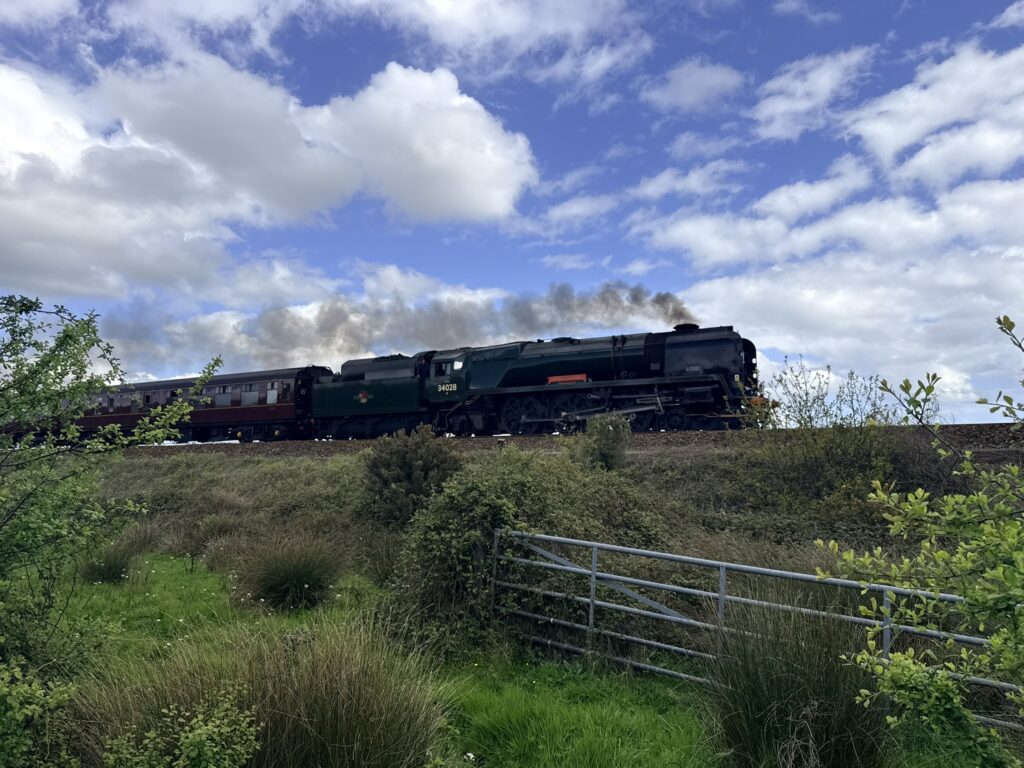
Steam railways, such as the Dartmouth Steam Railway or the West Somerset Railway, are particularly popular with kids (and dads) – train rides through lush, rolling countryside bring the romance of travel alive.
Family-friendly walking and cycling is also easy to arrange. The Camel Trail in Cornwall and the Tarka Trail in Devon are long, flat paths along disused railways, making them safe for children on bikes, with plenty of ice cream stops.
Eating out is generally child-friendly. Pubs and cafés almost always have children’s menus, high chairs, and staff used to families. Don’t be surprised if dogs are also welcomed; many pubs are both dog and child-friendly.
A practical note: always check tide times if you plan to picnic on the beach, and remember the sea here can be powerful. Stick to lifeguarded areas between red-and-yellow flags. Children should be closely supervised—rip currents and sudden waves can take even experienced adults by surprise.
The Climate: A Region of Four Seasons in a Day
The South West’s weather is famously changeable, shaped by the Atlantic. Winters are mild compared with much of northern Europe, but stormy, with temperatures between 5 and 10°C. Spring is fresh and green, though often showery.
Summer is the season of holidays: long evenings, barbecues on the beach, and temperatures that can reach 25°C, though more often hover in the low twenties. Autumn is a time of golden moorland colours, but can also bring the first dramatic, Atlantic storms of winter.
The best advice is to pack layers: a waterproof jacket, sturdy shoes, and a warm jumper, even in July. The locals’ saying—“If you don’t like the weather, wait five minutes” – is surprisingly accurate.
The UK uses the pound sterling (£). Coins: 1p, 2p, 5p, 10p, 20p, 50p, £1, £2. Notes: £5, £10, £20, £50. If travelling from abroad, try to avoid £50 notes when buying your currency, as you might find difficulty in using them in some smaller establishments.
Cards and contactless payments are the most common forms of payment, although carrying some cash is still helpful in rural areas. Cash machines are widely available, although a few charge a fee for withdrawals.
In terms of costs: a coffee is typically £2–4, a pub main meal £12–18, and entry to major attractions £15-30. Family tickets often offer a cost-effective option, and joining the National Trust or English Heritage can be worthwhile if you plan to make multiple visits.
Budget travellers can get by on £40 – £60 per day (backpacking the South West Coast Path or staying in hostels), realistically for most, £60 – £120 (camping, caravaning and self-catering), for decent hotels expect to spend £140 – £200 per day, depending on whether you include breakfast and an evening meal.
Tipping is modest by international standards: rounding up or leaving 10% in restaurants, cafés, and taxis is polite, but not expected when ordering drinks from a bar or coffee at the counter.
Heritage and Culture
The South West is steeped in history, and much of it is preserved by the National Trust and English Heritage. These organisations maintain not only grand houses and castles but also much of the coastline and countryside.
Highlights include Tintagel Castle in Cornwall, linked with King Arthur, Stourhead gardens in Wiltshire, and Greenway, Agatha Christie’s holiday home overlooking the River Dart. English Heritage also manages Stonehenge, one of the world’s great prehistoric monuments, easily accessible from the A303 on the way into the region.
These sites are more than museums; they’re living landscapes, with festivals, outdoor theatre, and children’s activities making them engaging and enjoyable for all ages.
Modern Attractions
Not everything is historical. The Eden Project, situated in a former clay pit, features rainforest and Mediterranean ecosystems within vast geodesic domes. Paignton Zoo and Newquay Zoo focus on conservation and education. Wookey Hole in Somerset combines caves with family entertainment, while Cornwall’s Minack Theatre, carved into the cliffs, stages open-air plays and concerts against a backdrop of the Atlantic.
Booking online usually secures cheaper tickets and avoids queues, particularly in summer.
Emergencies, Health, and Insurance
Dial 999 or 112 for emergencies. This includes police, ambulance, fire, and coastguard services. For less urgent health concerns, 111 connects you to the NHS advice line.
Hospitals with full emergency departments are located in Bath, Taunton, Exeter, Plymouth, Truro, Dorchester, and Barnstaple. Other hospitals may have minor injury units. Pharmacies are widely available, often located within supermarkets. Pharmacists are trained to advise on minor ailments.
Visitors from the EU should carry a GHIC or EHIC for basic healthcare; others should ensure they have comprehensive insurance. Even for UK and EU citizens, travel insurance is strongly recommended to cover repatriation, cancellations, or specialist activities such as surfing and coasteering.
Hazards for Walkers
⚠️ Safety for Walkers The South West Coast Path is stunning but can be dangerous. Tides rise quickly, cutting off coves. Cliffs are unstable, and rockfalls are not uncommon. Always check tide timesand weather forecastsbefore setting out.
Wildlife hazards are minor but worth noting: adders (Britain’s only venomous snake) are shy but present on heathland, while ticks carrying Lyme disease live in long grass. Check skin after walks. Seals and seabirds should be observed from a respectful distance.
On Dartmoor and Exmoor, fog can descend within minutes, disorienting even experienced walkers. Carry a paper map and compass; phones can lose signal or battery. In difficulty, dial 999 and ask for Coastguard (coast) or Mountain Rescue (moorland).
Communication: Phones, Internet, and Media
Mobile coverage is strong in towns but patchy in remote coves and moors. EE, Vodafone, and O2 offer the best rural coverage, but it really depends on your location. Prepaid SIM cards are widely available from supermarket checkouts and convenience stores and are usually cheaper than international roaming.
Wi-Fi is standard in most hotels, cafés, pubs, and libraries. For news, the BBC remains the most trusted television and radio broadcaster, with local radio stations (BBC Cornwall, BBC Devon, BBC Somerset, and BBC Dorset) providing tide times and travel updates. Regional newspapers and magazines give a glimpse into local culture and events.
LGBTQ+ Visitors
South West England is a welcoming region, with vibrant LGBTQ+ scenes in Exeter, Plymouth, and Bristol. Pride festivals are held annually, and anti-discrimination laws are strong across the UK. Rural areas may have fewer social options, but are generally safe and accepting.
Shopping and Opening Hours
Shopping is an enjoyable part of travel here, whether browsing high-end chains in Exeter’s Princesshay or discovering artisan crafts in Totnes. Larger supermarkets are open 24 hours, while others usually open early and close at around 10 pm.
On Sundays, large stores, including supermarkets are only allowed to open for six hours by law, typically from 10 am to 4 pm. Smaller convenience stores stock most things that might be needed outside of these times.
Farm shops and markets are worth seeking out for local cider, cheeses such as Cornish Yarg, and handmade crafts. Many establishments accept cards, although carrying cash is still useful.
Tourist Information
Tourist Information Centres are found in larger towns and remain invaluable, despite the rise of the internet. Staff provide maps, book accommodation, offer recommendations and highlight seasonal events. They are often the best source for walks, ferries, and small attractions you might otherwise miss.
Transport: Roads, Rail, and More
Driving offers the greatest flexibility, although narrow lanes require patience and a confident ability to reverse where necessary. Always use passing places and be aware of tractors or livestock around bends.
Railways offer some of Britain’s most scenic routes: Exeter to Penzance hugs the coast at Dawlish, while Exeter to Barnstaple (the Tarka Line) meanders through valleys. Buses are excellent within towns but sparse in rural areas, especially during winter.
Cycling is increasingly popular thanks to safe, traffic-free trails such as the Camel Trail and the Exe Estuary Trail. These are perfect for families. Walking remains the South West’s great joy, with the 630-mile South West Coast Path offering everything from short strolls to week-long adventures.
Final Thoughts
Travelling in South West England isn’t just about the sights, it’s about rhythm and pace. It’s strolling a quay with an ice cream, queuing with (customary) British patience, or dodging a summer shower before the sun bursts out again. With a bit of preparation for weather, tides, and transportation, the Southwest rewards your every step.
Over to you … have you recently travelled to South West England? What worked for you? What advice would you give to others? Please leave your comments below or join in the discussion in our Facebook Group.
New to South West England or returning after a while? Start with our ‘Travel Basics’ – quick guides packed with tips to help you plan your trip.
Things to do in South West England include walking the South West Coast Path, visiting the Eden Project, exploring Dartmoor, discovering the Jurassic Coast and spending time in historic towns and small cities. This guide brings together the best things to do in South West England across Devon, Cornwall, Somerset and Dorset, with practical ideas to help you plan your trip.
We live in South West England and explore it year-round, using local knowledge and first-hand experience to help you plan better trips across Devon, Cornwall, Somerset and Dorset.
Best Things to Do in South West England
Steam train at Starcross, Devon (Credit: ThisIsSouthWest)
If you are planning a first trip, these are some of the top things to do in South West England, from famous landmarks and beaches to coast paths, cities and family attractions.
Top picks for a first visit to South West England
This quick list gives a clear starting point for planning your trip. You can explore more detailed ideas in our regional guides, including things to do in Devon, things to do in Cornwall, things to do in Somerset and things to do in Dorset.
Visit the Eden Project, one of the South West’s best-known attractions.
Walk part of the South West Coast Path for some of the region’s best coastal scenery.
Explore Dartmoor National Park for open moorland, walking routes and dramatic landscapes.
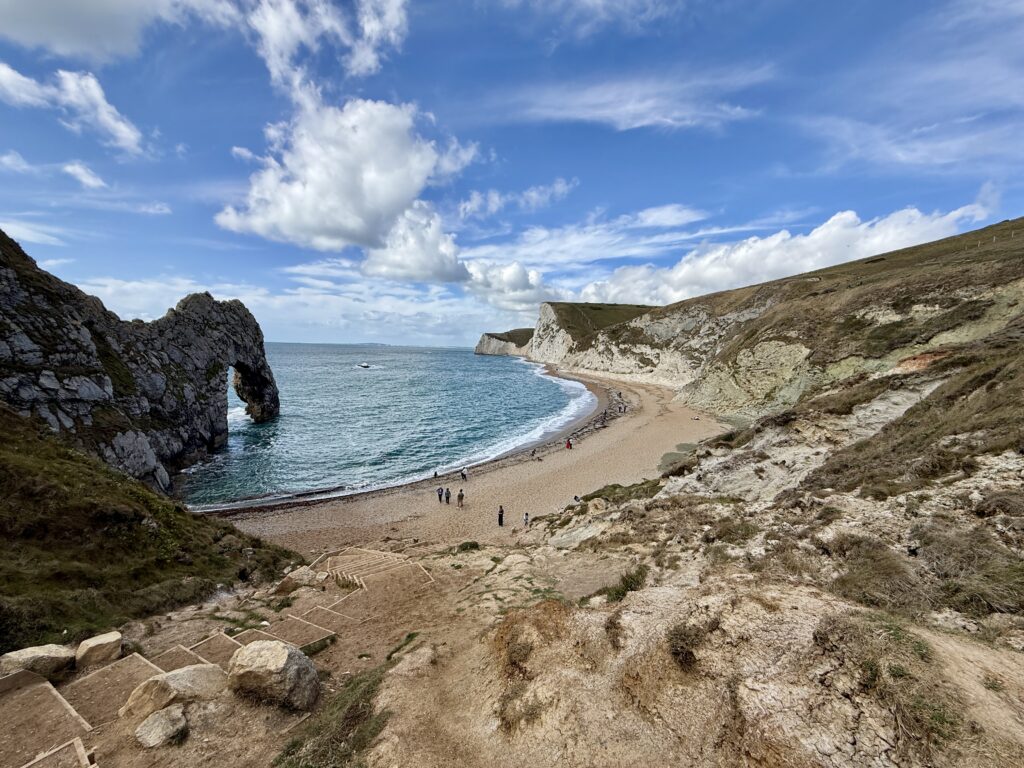
Discover the Jurassic Coast, including Durdle Door and Lulworth Cove.
Spend a day at beaches such as Woolacombe, Perranporth, Weymouth or Exmouth.
Visit historic cities such as Bath, Exeter, Plymouth or Truro.
Explore harbour towns such as St Ives, Dartmouth, Padstow or Falmouth.
Visit iconic landmarks such as St Michael’s Mount and Tintagel Castle.
Ride a heritage railway such as the West Somerset Railway, the South Devon Railway, or the Seaton Tramway.
Take a boat trip on the River Dart or along the Cornish coast.
Visit family attractions such as Crealy Theme Park, Paignton Zoo, Wookey Hole or the National Marine Aquarium.
Explore natural landmarks such as Cheddar Gorge, Kents Cavern or Lydford Gorge.
Visit gardens and estates such as the RHS Garden Rosemoor, Bicton Park Botanical Gardens or the Lost Gardens of Heligan.
Enjoy local food at farm shops, harbourside cafés and traditional pubs across the region.
Discover what’s on during your visit with our What’s On in South West England guide, covering festivals, events and seasonal highlights across the region.
Map of South West England
Use this map to understand distances and how key places are spread across Devon, Cornwall, Somerset and Dorset. Journeys often take longer than they look on the map, so it helps to get a clear sense of your route before planning each day.
Disclosure:Some of the outbound links on this page are affiliate links to sites that we use and would genuinely recommend. Using them doesn’t cost you extra, but it does help support this free guide. We also provide links to other sites that we believe may be helpful to you.
Visiting the South West for the First Time: What to Know Before You Go
If you are visiting the South West of England for the first time, think of it not as one destination but as a series of places linked by coastline, landscape and a slower pace of travel. Cornwall, Devon, Dorset and Somerset each have their own character, yet they share a pace shaped by tides, weather and distance.
At first glance, the South West can appear straightforward to navigate on a map. In reality, journeys often take a little longer than expected, so it usually pays not to pack too much into a single day. Leaving space between plans makes travel feel calmer and helps the stay unfold naturally rather than rushing from place to place.
Where to base yourself
On a first visit, choosing one or two bases rather than moving every night usually results in a better holiday. Coastal towns with rail links, estuary villages and small cities all work well for day trips, especially if you plan ahead using our guide to the best places to stay in South West England.
Staying near the coast provides easy access to beaches, boat trips, and coastal walks, while inland bases near Dartmoor, Exmoor, or the Blackdown Hills are better suited to walking, cycling, and quieter countryside days. Cities such as Exeter, Plymouth or Truro can also make practical bases, particularly if you are travelling without a car and want good transport links alongside places to eat, stay and explore.
How long to allow
The South West suits both short breaks and longer stays, but you will get more from your trip if you focus on two or three activities. A long weekend works well when you focus on one area, such as North Devon, West Cornwall, the Jurassic Coast or East Devon, rather than racing between highlights. Even with a full week, there is no need to try to cover everything. We have spent a lifetime exploring the region, and there are still places left to discover.
Getting around
A branch line train passing through woodland in the South West of England. (Credit: ThisIsSouthWest)
You do not always need a car, especially if you base yourself near a railway line or in a walkable town. Our guide to getting to South West England explains the main rail routes, ferry crossings, and public transport options in more detail, but branch railways, ferries, local buses and traffic-free trails all make car-free days realistic and enjoyable.
For planning these journeys, the Great Scenic Railways website is especially useful. It brings together the region’s branch lines and scenic routes, with ideas for days out, walking links and places you can reach easily by train.
That said, rural areas and smaller villages are easier to reach by car, and flexibility helps when weather or tides affect plans. Many visitors choose a varied approach, combining trains and ferries with occasional car hire to reach more remote parts of the region without committing to daily driving.
When to visit South West England
Summer brings warm weather, lifeguarded beaches and a busy events calendar, but it also brings higher prices and more traffic. Our guide on when to visit South West Englandbreaks down the seasons in more detail. For those not tied to school holidays, spring and early autumn are often ideal for a first visit, with quieter beaches, excellent walking conditions and long daylight hours.
Winter visits can be rewarding too, particularly for city breaks, coastal walks and dramatic scenery, but some attractions, boat services and transport links are seasonal. Outside peak months, it is worth checking opening times in advance and planning days with a little more flexibility.
What to prioritise
For a first visit, it is usually best to balance a few headline experiences with plenty of unplanned time. Beaches, coastal walks, a town or city, and one inland day often make a good combination.
Many of the most memorable moments come from simple experiences: a ferry crossing, a harbour walk, a café stop, or watching the weather roll in over the sea. Allowing a little extra time lets these moments happen naturally.
Booking and planning tips
Popular activities such as surfing lessons, boat trips, and guided walks can fill up quickly during school holidays, so booking in advance helps. Outside peak season, flexibility is often more useful than planning.
Accommodation fills up early in summer, particularly in smaller coastal towns. For a first visit, we prefer Booking.com because flexible cancellation options can make planning feel less stressful if plans change.
Best Coastal Things to Do in South West England
Exmouth, Devon (Credit: ThisIsSouthWest)
For many visitors, particularly those travelling with families, the coast is central to their plans in South West England. The region has hundreds of miles of shoreline, from wide sandy bays to shingle beaches, hidden coves and working harbours.
Cornwall is best known for its Atlantic beaches, surfing culture and long stretches of open sand. Devon offers a contrast between the exposed north coast and the more sheltered south, where estuaries, beaches and seaside towns are close together. Dorset’s Jurassic Coast combines dramatic scenery with geology and history, while Somerset’s coastline brings big skies, wildlife and some of the largest tidal ranges in the world.
Beach days remain popular, but the coast is not only a summer destination. Walking, wildlife watching, photography, and simply spending time by the sea are enjoyed year-round, with many locals preferring the quieter months.
Alongside the beaches, visitors can choose from boat trips, short ferry crossings, harbour cruises and coastal viewpoints. These provide ways to experience the coastline without committing to more demanding water activities.
Best beaches in South West England: Cornwall, Devon, Somerset and Dorset
Looking for the best beaches in South West England? It is designed to help you choose the right coast for your trip, whether you want family-friendly facilities, surf, calmer waters, coastal walking or big skies.
Cornwall beaches
Fistral Beach, Newquay: Cornwall’s best-known surf beach, with reliable waves, RNLI lifeguards in season and a lively seafront feel.
Perranporth Beach: a huge, open sweep of sand that suits long walks, family days and sunset evenings when the tide is out.
Gwithian Towans: wide sands backed by dunes, great for space, beach games and breezy walks, with strong Atlantic energy.
Watergate Bay: a long bay near Newquay that works well for surf lessons and scenic coastal walks above the sand.
Porthcurno Beach: a sheltered cove with striking turquoise water in calm weather, close to cliff paths and dramatic viewpoints.
Kynance Cove, The Lizard: one of Cornwall’s most photographed coves, best timed for low tide when sand and rock formations appear.
Devon beaches
Woolacombe Beach, North Devon: three miles of sand with space for families, surf and long shoreline walks.
Saunton Sands: a classic North Devon surf and walking beach backed by dunes, with big views and plenty of room even in summer.
Croyde Bay: a smaller, energetic beach with strong surf culture and coastal scenery, popular for lessons and beach breaks.
Westward Ho!: a wide beach with a long promenade and seasonal facilities, good for easy access and family-friendly days out.
Exmouth Beach: a long, accessible resort beach on the Jurassic Coast gateway, ideal for relaxed swims in settled conditions and easy seafront days.
Bantham Beach, South Devon: a scenic sandy beach with coastal path views and a wilder feel, popular for walking and paddling at lower tide.
Bigbury-on-Sea: a family favourite with a broad sandy bay and the Burgh Island sea tractor, great for classic seaside atmosphere.
Dorset beaches
Weymouth Beach: a long, sandy, family-friendly beach close to town facilities, with safe shallows in calm conditions.
Bournemouth Beach: a classic wide resort beach with lots of facilities and easy access, useful for simple seaside days.
Durdle Door: a dramatic limestone arch and shingle beach, best for scenery and short visits rather than long swim sessions.
Lulworth Cove: a sheltered, circular bay that suits rockpooling, gentle paddling and starting points for coastal walks.
Kimmeridge Bay: a top spot for rockpools and geology on the Jurassic Coast, with a rugged feel and big sea views.
Studland Bay: long sands and dunes near the harbour entrance, good for beach walks and calmer-water days when conditions suit.
Somerset beaches
Brean Beach: a long, open stretch with huge Bristol Channel skies and a strong sense of space, especially at low tide.
Berrow Beach: wide sands and dunes that feel quieter than the bigger resorts, ideal for breezy walks and simple seaside time.
Weston-super-Mare Beach: a classic Somerset seafront with amusements and promenade walking, best enjoyed with an eye on the tide.
Tip for planning: tide times and sea conditions make a big difference on the South West coast. For safer swimming, choose lifeguarded beaches in season and follow RNLI flag guidance. For quieter trips, aim for early mornings, midweek visits and shoulder-season breaks when the coastline feels calmer and more spacious.
Countryside, Moorland and Walking in South West England
The historic clapper bridge at Postbridge on Dartmoor, crossing the River Dart. (Credit: ThisIsSouthWest)
Away from the sea, the South West opens out into farmland, wooded valleys and two large national parks. Dartmoor and Exmoor offer wide horizons, ancient tracks and a sense of scale that feels very different from the coast. If you are new to the moor, our guide to booking a guided tour of Dartmoor explains when a local guide can add real value, particularly for first-time visitors.
Walking is one of the most popular inland activities, with routes ranging from gentle riverside paths to more exposed moorland crossings. Well-known routes include sections of the Tarka Trail in North Devon, the riverside walks around Tarr Steps on Exmoor, and woodland trails through places such as Haldon Forest Park near Exeter. These are easy ways to experience the countryside without needing specialist navigation.
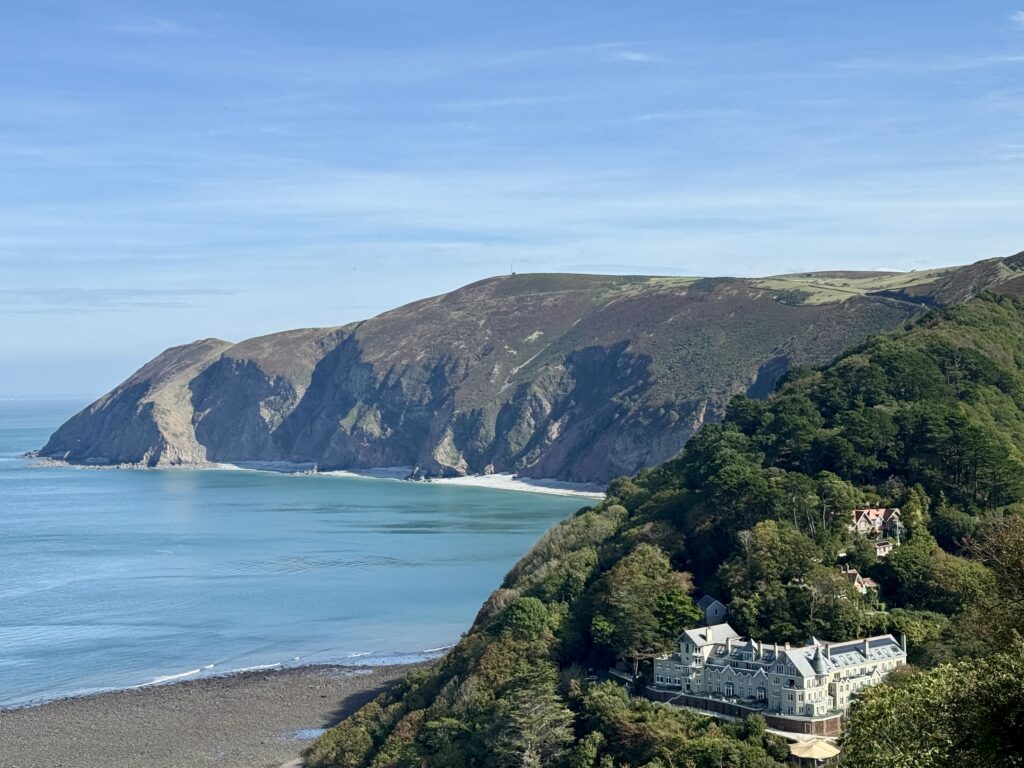
For more distinctive landscapes, Lydford Gorge on Dartmoor offers dramatic river scenery and the White Lady Waterfall, while the Valley of Rocks near Lynton combines coastal views with grazing wild goats and unusual rock formations. On Dartmoor itself, routes around Postbridge, Haytor and Widecombe-in-the-Moor provide accessible introductions to tors, rivers and open moorland.
Cycling is also well supported, especially on traffic-free trails that follow former railway lines or estuaries. The Granite Way near Okehampton and the Camel Trail in Cornwall are among the best-known routes, offering relatively gentle riding with wide views and regular places to stop.
Much of the region’s quieter side lies inland, encompassing wildlife reserves, historic houses, gardens, reservoirs, and small villages. Areas such as the Blackdown Hills and the Quantock Hills are often overlooked but reward slower exploration, particularly outside school holidays.
For visitors unfamiliar with moorland terrain, both weather and navigation deserve respect. Conditions can change quickly, and some parts of the moors are genuinely remote, even when they appear close to towns or roads on a map.
Best Cities to Visit in South West England
Exeter Cathedral
The South West is not just about coastlines and countryside. Its cities add history, culture, food and practical transport links, making them good places to visit in their own right as well as useful bases for exploring the wider region.
Exeter, Devon Exeter is one of the best base cities in South West England, combining history, transport links and easy access to the coast and countryside. The cathedral sits at its heart, while the quayside offers cafés, walking routes and watersports along the River Exe.
Bath, Somerset Bath is the South West’s standout historic city, known for Roman heritage, Georgian architecture and elegant streets. It suits a short break focused on culture, history and food, all within a compact, walkable centre.
Plymouth, Devon Plymouth is best for maritime history and waterfront views, with a strong connection to Britain’s seafaring past. The Barbican, Plymouth Hoe and harbour give it a distinctive feel, while ferry links make it a gateway to South Devon and Cornwall.
Truro, Cornwall Truro is the best small city base in Cornwall, offering a central location with a more relaxed pace. Its cathedral, independent shops and position between the north and south coasts make it practical for exploring.
Wells, Somerset Wells is England’s smallest city and best for a slower, characterful visit. Its cathedral, medieval streets and relaxed pace make it an ideal quieter stop close to the Mendip Hills.
Quick list: Best cities to visit in South West England
Exeter – best for a central Devon base with strong transport links
Bath – best for historic architecture and city breaks
Plymouth – best for maritime history and waterfront views
Truro – best for exploring Cornwall from a central location
Wells – best for a small, characterful city with a slower pace
Historic streets, cathedrals, museums, galleries and waterfront areas give South West cities a different feel from the surrounding coast and countryside. Because most are relatively small, they are easy to explore on foot and suit short breaks, bad-weather days and car-free trips.
Best Towns and Villages to Visit in South West England
Beer, Devon (Credit: ThisIsSouthWest)
Not every day in the South West needs to centre on major attractions. Some of the most enjoyable moments happen in towns and villages, where harbours, markets and everyday life bring character and atmosphere.
Across Cornwall, Devon, Somerset and Dorset, these smaller places offer coastal views, independent shops, local food and easy walks. They also make excellent bases or relaxed stop-offs between larger destinations.
Cornwall towns and harbour favourites
St Ives A choice of galleries, beaches and coastal walking, with a strong artistic feel and some of Cornwall’s best scenery.
Falmouth A lively harbour town with boat trips, beaches nearby and a good year-round atmosphere.
Padstow A food-focused harbour town with estuary walks, ferry links and easy access to the Camel Trail.
Penzance A useful base for exploring west Cornwall, with coastal routes, sea views and access towards Land’s End.
Devon towns for coast, food and day trips
Exmouth A classic seaside town with a long beach, easy access to the Exe Estuary and a practical base for East Devon.
Sidmouth A Regency-style coastal town with red cliffs, a relaxed pace and good coastal walking.
Dartmouth A scenic river town known for boat trips, harbour views and connections to South Devon beaches.
Totnes An independent town with markets, shops and access to Dartmoor and the South Hams.
Ilfracombe A North Devon harbour town with coastal paths, sea views and access to nearby beaches.
Dorset towns along the Jurassic Coast
Lyme Regis Known for fossils, coastal walks and a strong independent high street.
Weymouth A traditional seaside town with a long sandy beach, harbour and easy access to coastal highlights.
Bridport and West Bay A market town paired with a dramatic harbour coastline and good walking routes.
Swanage A compact coastal town with beach access, a steam railway and views across the Jurassic Coast.
Somerset towns for history and slower days
Wells A small city with a cathedral, historic streets and an easy pace, ideal for short visits.
Frome Known for independent shops, cafés and markets, with a strong local feel.
Glastonbury Distinctive and historic, with views from Glastonbury Tor and access to the surrounding countryside.
Watchet A small harbour town with coastal views, local history, and a quieter, less-visited feel.
Taunton Somerset’s county town, offering shopping, riverside walks and easy access to the Quantock Hills and surrounding countryside.
Weston-super-Mare A traditional seaside resort with a long sandy beach, pier, attractions and a classic coastal atmosphere.
Langport A small market town set on the River Parrett, known for its independent shops, antiques and relaxed rural setting.
Quick list: Best towns and villages to visit in South West England
Glastonbury – best for history and the surrounding countryside
Watchet – best for a small harbour town with coastal views
Harbours, high streets and local markets make these towns easy to explore without planning. Many sit directly on walking routes or near beaches and estuaries, so it is worth leaving space in your itinerary for short stops and unplanned detours.
Best Family Things to Do in South West England
Sidmouth Donkey Sanctuary, near Sidmouth, Devon. A free family visitor attraction. (Credit: ThisIsSouthWest)
Families visiting the South West will find plenty to do beyond the beach. Zoos, aquariums, heritage railways, interactive museums and outdoor adventure parks are spread across the region, often within easy reach of one another. This variety makes it easier to balance active days with gentler outings, and to adapt plans as you go.
Many family attractions include indoor and outdoor spaces, so your day can continue even if the weather changes. Others are seasonal but noticeably quieter outside school holidays, when crowds are lighter, and children are usually in school, making visits calmer and easier to enjoy. For many families, that flexibility is one of the South West’s biggest strengths.
For families, this range of attractions makes it easier to plan family-friendly activities in South West England for all ages and weather conditions.
Top family attractions in South West England
Families visiting the South West of England will find a wide range of established attractions beyond beaches. These are some of the most popular and reliable options across Cornwall, Devon, Dorset and Somerset, many of which work well in mixed weather and suit half-day visits.
Crealy Theme Park & Resort (near Exeter, Devon) – large family theme park with rides, animals and indoor play.
Paignton Zoo (South Devon) – one of the UK’s largest zoos, set in extensive parkland.
National Marine Aquarium (Plymouth, Devon) – indoor marine attraction ideal for wet or windy days.
Eden Project (Cornwall) – iconic biomes, outdoor gardens and year-round family events.
The Lost Gardens of Heligan (Cornwall) – historic gardens with woodland trails and farm animals.
Newquay Zoo (Cornwall) – compact, family-friendly zoo close to town and beaches.
Monkey World (Dorset) – rescue centre focused on primates, popular with younger children.
The Tank Museum (Bovington, Dorset) – interactive military museum with family trails and displays.
Dorset Heavy Horse Farm Park (near Dorchester) – animals, play areas and tractor rides.
Wookey Hole Caves (Somerset) – show caves combined with indoor attractions and activities.
West Somerset Railway (Somerset) – heritage steam railway with coastal and countryside stops.
Seaton Tramway (East Devon) – open-top trams through wetlands and estuary landscapes.
Babbacombe Model Village (Torquay, Devon) – miniature scenes and gardens, ideal for mixed ages.
Killerton House (Devon, National Trust) – parkland, gardens and seasonal family trails.
Tintagel Castle (Cornwall) – dramatic ruins linked to Arthurian legend, best for older children.
Dartmoor Zoo (Devon) – wildlife park set within Dartmoor National Park.
Fleet Air Arm Museum (Yeovilton, Somerset) – large indoor aviation museum with interactive exhibits.
Lappa Valley Steam Railway (Cornwall) – gentle train rides and outdoor play areas for younger families.
Rocky Valley and St Nectan’s Glen (near Tintagel, Cornwall) – short walks combining nature and history.
Free Things to Do in South West England
There are plenty of free things to do in South West England, from beaches and coastal walks to national parks, towns and viewpoints. Many of the region’s best experiences cost nothing, making it easy to plan days out without booking attractions or paying entry fees.
Beaches and coastal walks
Most of the best beaches in South West England are free to access, from wide sandy bays to smaller coves and traditional seaside resorts. Walking the South West Coast Path is also free and offers some of the region’s most memorable views, whether you choose a short section near Durdle Door or a longer walk along the North Devon or Cornish coast.
National parks and countryside
Dartmoor National Park and Exmoor National Park offer free access to open landscapes, walking routes and viewpoints, from granite tors to coastal cliffs.
Towns, villages and harbours
Exploring towns and villages is one of the simplest free things to do in South West England, with places such as St Ives, Dartmouth and Lyme Regis suited to wandering without a plan.
Free attractions and nature reserves
Some attractions are free to enter, including The Donkey Sanctuary and nature reserves such as Seaton Wetlands and Dawlish Warren Nature Reserve. These combine wildlife, walking and open space, often with facilities such as trails and viewing areas.
Viewpoints and simple experiences
Many of the most memorable moments in the South West come from simple, free experiences such as watching the sea, walking to a viewpoint or following a river or estuary path. Coastal headlands, moorland viewpoints and harbour walks often provide the best sense of place without needing tickets or planning.
Free does not always mean entirely without cost, as parking, transport and seasonal access can still apply. Checking details in advance and visiting outside peak times often makes these places easier to enjoy.
Outdoor Activities in South West England
Outdoor activities remain a major draw, particularly for visitors interested in surfing, coasteering, sailing, paddlesports, diving, horse riding and climbing. Local instructors and centres often run these experiences, using their knowledge of tides, weather and how each location will be on the day.
For visitors without local knowledge, guided sessions provide both safety and context, making the activity a better overall experience. Platforms such as GetYourGuide and TripAdvisor make it easier to browse options, compare reviews and book ahead, while still leaving room to adapt plans.
Not every activity suits every season, and flexibility matters. In the South West, conditions often dictate what works best on the day, rather than rigidly sticking to a fixed itinerary.
Popular outdoor activities in South West England include
Surfing Widely available along the Cornwall and North Devon coasts, with consistent beach breaks and strong lifeguard coverage in season. Lessons are recommended for beginners, as instructors cover tides, rip currents and board control alongside technique.
Coasteering A guided coastal adventure combining swimming, scrambling and controlled jumps. Routes change daily depending on sea state and tides, making local knowledge essential.
Sailing and boating Ranging from dinghy sailing and short harbour trips to cruising and powerboating. Sheltered south coast estuaries and inland lakes are popular for learning, while exposed waters suit experienced sailors.
Paddleboarding and kayaking Suitable for a wide range of abilities. Calm rivers, canals and estuaries work well for beginners, while coastal routes and longer journeys suit confident paddlers with local guidance.
Diving and snorkelling British waters offer reefs, wrecks and rich marine life. Conditions vary, so flexibility and appropriate thermal protection are key. Training and guided dives are strongly recommended.
Horse riding Offered across beaches, dunes and moorland, often with seasonal or tidal restrictions. Approved riding centres manage access carefully and match horses to rider ability.
Climbing and caving Focused mainly on limestone areas such as the Mendips and Cheddar Gorge. These activities require qualified supervision due to changing ground conditions and weather sensitivity.
Walking and hiking From short coastal loops to long-distance routes like the South West Coast Path. Moorland walking on Dartmoor and Exmoor adds a very different experience, particularly in quieter seasons.
Cycling Traffic-free trails along former railway lines and estuaries make cycling accessible for families, while longer routes and moorland roads appeal to experienced riders.
Things to Do in South West England in the Rain
Inside the Royal Albert Memorial Museum, Exeter. (Credit: ThisIsSouthWest)
Not every day is suitable for the beach or countryside, but there are still plenty of indoor attractions in South West England to choose from.
Museums and galleries are spread throughout the region, telling the story of local history, industry and landscape, and it is well worth hunting out the smaller ones. Maritime collections, Roman sites, geology museums and regional art galleries offer an easy change of pace and work well for half-day visits. Devon, in particular, offers a strong selection of city museums, coastal heritage centres, and smaller independent collections that are easy to visit in a day.
Aquariums and wildlife centres are especially popular with families and regularly feature on lists of things to do in the rain. They keep you connected to the coast while you stay dry. With indoor exhibits and sheltered outdoor areas, you can still explore between showers.
Historic houses, castles and estates are another reliable option in bad weather. Many include generous indoor spaces, cafés, covered courtyards and short walks you can enjoy when the rain eases. These visits are often calmer outside peak summer months and work well year-round.
For more active indoor options, climbing centres, leisure pools, and activity hubs are available across Cornwall, Devon, Somerset, and Dorset. In Devon, they are particularly useful as a fallback option on wet or windy days, especially when travelling with children or looking to stay active without committing to full outdoor conditions.
Finally, poor weather can be an invitation to slow down. Cafés, food halls, covered markets and harbour-side pubs offer a relaxed way to enjoy local food and atmosphere without rushing between attractions.
Indoor attractions in South West England
Museums and galleries
Royal Albert Memorial Museum (Exeter) – Wide-ranging collections covering natural history, archaeology and world cultures.
The Box (Plymouth) – Large regional museum and gallery with changing exhibitions.
National Maritime Museum Cornwall (Falmouth) – Excellent for all ages, focused on Cornwall’s seafaring history.
Dorset Museum (Dorchester) – Strong on local history, geology and Thomas Hardy connections.
Museum of Somerset (Taunton) – Regional history and archaeology in a compact indoor space.
Aquariums and wildlife centres
National Marine Aquarium (Plymouth) – The UK’s largest aquarium, largely indoors and weather-proof.
Blue Reef Aquarium Newquay (Newquay) – Popular with families and well placed for wet coastal days.
Historic houses, castles and estates
Killerton House (Devon) – Large house with indoor displays and sheltered grounds.
Powderham Castle (near Exeter) – Historic interiors with cafés and covered areas.
Tintagel Castle (Cornwall) – Best known outdoors, but the visitor centre and exhibitions help in poor weather conditions.
Indoor activity centres
The Climbing Hangar (Exeter) – Indoor bouldering suitable for beginners and families.
Clip ‘n Climb Plymouth (Plymouth) – Short, accessible climbing sessions for children.
Quay Climbing Centre (Exeter) is a large indoor climbing venue with a wide choice of walls and bouldering.
Food halls, markets and covered spaces
Barnstaple Pannier Market – A large historic covered market in North Devon, known for local produce, crafts and regular market days.
Tavistock Pannier Market – One of Devon’s best-known pannier markets, still very much part of everyday town life with a variety of interesting stallholders.
Tiverton Pannier Market – A smaller but characterful indoor market hall, well suited to browsing local food and handmade goods, whatever the weather.
Darts Farm – A flagship farm shop near Exeter known for West Country produce, artisan food and relaxed places to eat.
Strawberry Fields Farm Shop – A long-established, family-run farm shop with strong local sourcing and seasonal produce.
Exe Valley Farm Shop – A friendly stop for local meat, dairy and baking, with a café that makes it easy to linger.
Greendale Farm Shop – A well-known East Devon farm shop with an extensive deli, bakery and café alongside local produce.
Together, these options form just some of the most reliable indoor attractions in South West England, particularly useful outside peak summer weather.
Note: Not every activity runs year-round, and availability can change with daylight hours, weather and demand. Booking a few days ahead often gives better options than booking weeks in advance. Many visitors also benefit from keeping one or two days unplanned, allowing conditions to guide choices.
Practical planning and safety awareness
RNLI lifeguard station on a South West beach. (Credit: ThisIsSouthWest)
A little preparation improves almost every experience in the South West, without taking away the sense of freedom that draws people here in the first place.
Tides affect access to coves, beach walks, ferry crossings, and sections of the coast path, and they can completely change a place’s character within a few hours. Checking tide times before you set out helps you arrive at the right moment and avoids the frustration of being cut off or missing a route you hoped to use.
It is also worth thinking about mobile coverage. Signal can be patchy on parts of the coast, so checking tide times in advance is sensible. The free EasyTide service is a reliable option and works well for planning before you leave somewhere with reception.
The weather is equally important. Conditions can change quickly near the sea or on higher ground, particularly on Dartmoor and Exmoor, where wind, mist and rain can arrive with little warning. Checking forecasts from the UK Met Office gives the most reliable local detail, but even then, a bright outlook does not always reflect how exposed a coastal headland or moorland plateau will feel. Carrying extra layers and waterproofs, even on short outings, helps keep days comfortable and flexible.
Distances in the South West often feel longer than they look on a map. Rural roads, estuaries, ferries and branch railway lines rarely follow straight lines, and sat navs can be especially optimistic, sometimes sending motorhomes and caravans down lanes that do not suit them. Allowing extra travel time reduces pressure and makes it easier to enjoy stops along the way, rather than treating journeys as something to endure.
Practical planning usually comes down to a few simple checks, such as the weather forecast, tide times, transport options and opening hours. Local signs, visitor information and official advice are there to help, especially in coastal and rural areas where conditions can change quickly, and are worth paying attention to.
A little planning goes a long way in the South West. Keeping an eye on forecasts, tide times, transport, and opening hours helps days run smoothly, while local signs and visitor information offer useful guidance on the ground. Taken together, these small checks make it easier to relax, adapt and enjoy the region at its best.
Planning your trip to South West England
Explore South West England at a steady pace, with time for coast, countryside, towns and a few well-chosen attractions. Whether you are visiting for a long weekend or a longer holiday, focusing on one or two areas at a time usually leads to a more relaxed and enjoyable trip.
The region suits both simple experiences and well-known sights. A coastal walk, a harbour stop, a local café or a ferry crossing often becomes the most memorable part of the day. Leave space in your plans, check tides and weather, and use this guide to shape your itinerary.
This guide to the best things to do in South West England brings together coast, countryside, towns and practical planning advice to help you make the most of your visit.
Frequently asked questions
What are the best things to do in South West England for first-time visitors?
For a first trip, aim for a good balance of coast, countryside and towns. A beach day, a South West Coast Path walk, time in a harbour town, one inland day on Dartmoor or Exmoor, and a small city such as Exeter or Bath usually works well. Add a family attraction or indoor option as a backup, and leave room for markets, ferries and unplanned stops.
Do you need a car to explore South West England?
You do not always need a car, especially if you stay in a walkable town or near a railway line. Trains, branch lines, ferries and local buses make many day trips possible, particularly on the main visitor routes. A car is more useful for remote beaches, moorland areas and smaller villages, so many visitors combine public transport with occasional car hire.
What are the best things to do in the rain in South West England?
Rainy days are a good time to slow the pace. Museums, galleries, aquariums and historic houses are reliable options, while covered markets, farm shops and food halls make easy stops. In bigger towns and cities, cinemas, indoor climbing centres and leisure pools can also work well when the weather turns.
When is the best time to visit South West England?
Late spring, summer and early autumn are usually the best times to visit South West England. Summer brings the warmest weather, lifeguarded beaches and the busiest events calendar, but it is also the busiest season. Spring and early autumn often offer milder weather, quieter places and very good walking conditions.
How long do you need in South West England for a first trip?
A long weekend is enough if you focus on one area such as East Devon, North Devon, West Cornwall or the Jurassic Coast. A week gives you time to combine beaches, harbour towns, countryside and a few attractions without constantly moving on. For a broader South West England trip, 10 days or more allows a more relaxed pace.
Why do tide times and weather forecasts matter on the South West coast?
Tide times can affect access to coves, beach walks, ferry crossings and some sections of the coast path, and the same place can look very different within a few hours. Weather can also change quickly near the sea and on higher ground. Checking tide times and the forecast before setting out helps with safety and planning.
Other Helpful Links
Booking.com – for most accommodation needs. Look out for options that include free cancellation.
Easy Tide – Free UK tidal prediction service, providing tidal data and tide times for the current day and 6 days into the future.
Traveline SW – Comprehensive public transport information from A to B by bus, coach, train, ferry in South West England and Great Britain.
TripAdvisor – for reviews of… pretty much everything. Our go-to before booking anything.
Vrbo – Great for self-catering and vacation holiday home rentals.
Over to you … have you recently travelled to South West England? What worked for you? What advice would you give to others? Please leave your comments below or join in the discussion in our Facebook Group.
Disclosure:Some of the outbound links on this page are affiliate links to sites that we use and would genuinely recommend. Using them doesn’t cost you extra, but it does help support this free guide. We also provide links to other sites where we believe their inclusion may be helpful to you.
The South West of England is more than just a beautiful holiday destination; it’s one of the UK’s most exciting regions for food and drink. Stretching from the dramatic cliffs of Cornwall through the countryside of Cornwall, Devon, Dorset, and Somerset, and to the cities of Bristol, Bath, and Exeter, the South West is a region where food, drink, and landscape are deeply linked. It’s a region that produces some of the country’s finest seafood, meat, dairy, and cider, and it celebrates these ingredients with a vast array of dining and drinking options.
Whether you want a pub lunch after a long walk, a plate of freshly caught crab overlooking a harbour, a slice of cake in a village tearoom, or a multi-course tasting menu in a Michelin-starred restaurant, the South West has it all. Food here tells a story: of fishermen landing their daily catch, farmers tending herds, and chefs who know how to source and make the most of local produce.
The sheer variety of food and drink in the South West means there’s something for everyone, whatever your budget or style. Traditional pubs, farm shops, cafés, fine dining restaurants, and street food markets all have their place. With numerous food festivals, vineyard tours, cider tastings, and cookery schools, the region invites visitors not just to eat but to immerse themselves in and enjoy the local culinary culture.
So where should you eat and drink on your visit? Let’s explore the types of places you’ll find across this delicious part of England.
Traditional Pubs and Inns: The Heart of the South West
The White Hart, Exeter, Devon – A traditional coaching inn and hotel
The pub is something of a British institution, and nowhere does it better than in the South West. In this region, pubs aren’t just somewhere to grab a pint: they’re social hubs, often in historic buildings, and some of the best places to eat delicious yet straightforward meals made with local produce.
Country Pubs
Think thatched roofs and flower-filled gardens. Step inside and you’re met with low beams, flagstone floors, and a log fire crackling in the grate. Menus often feature local lamb or beef, pies with rich gravies, and classic roast dinners on Sundays. Many country pubs take pride in sourcing meat and vegetables from nearby farms, thereby creating a farm-to-fork experience.
Coastal Inns
Head to the coast and the picture shifts to seaside inns with views of the harbour or the open sea. In Cornwall, you might sip a pint of beer with fishing boats just outside the window, while in Dorset, you can watch the sun set over the Jurassic Coast. Fresh fish and chips, crab sandwiches, and bowls of mussels are staples on coastal pub menus and, we suggest, best washed down by local cider.
Gastro Pubs
In recent years, the South West has also seen a rise in the gastro pub. These places blend the relaxed atmosphere of a pub with the ambition of a restaurant kitchen. Expect dishes like slow-cooked pork belly with apple cider jus, or vegetarian plates made with foraged herbs and seasonal produce. They’re a great option if you want a relaxed evening with food that goes a little beyond the classics.
Pubs also shine when it comes to drinks. The South West is cider country, and many pubs offer local scrumpy alongside real ales from regional breweries. Some even have their own microbrewery attached, letting you taste beer brewed on the premises.
Pub Etiquette
Pubs are at the heart of social life in the South West, but if you’re not used to them, the way they work can feel a little different from restaurants or bars elsewhere. Here are a few tips to help you fit right in:
Order at the Bar – Unlike many restaurants, table service isn’t the norm in traditional pubs. Head up to the bar to order drinks (and often food too), then carry them back to your table.
Take Your Turn – Going out together? It’s common to buy drinks in “rounds.” Everyone takes a turn paying for a round, rather than buying individually each time.
Mind the Locals – Many rural and coastal pubs are community hubs. Be friendly, patient, and don’t be afraid to strike up a chat with the locals – they generally don’t bite.
Dogs and Boots – The South West is a walker’s delight, and plenty of pubs welcome muddy boots and well-behaved dogs. Just double-check the signs at the entrance.
Standard Hours – Many pubs open from around 11 am until 11 pm, Monday to Saturday, and 12 noon until 10.30 pm on Sundays. In rural areas, pubs may close in the afternoon (around 3–5.30 pm) before reopening in the evening. Food is often served at set times, typically from 12:00 to 2:30 pm for lunch and from 6:00 to 9:00 pm for dinner. Unlike France or Spain, we Brits tend to eat earlier in the evening.
Respect Last Orders – When the bell rings for “last orders,” it’s your signal to head to the bar for a final drink before closing.
Fine Dining in the South West
The Elegant, Great Western Grill at Bovey Castle
The South West may be famous for its pasties, cream teas, and pub lunches, but it also has a well-earned reputation as one of the UK’s most exciting fine dining destinations. Across Cornwall, Devon, Dorset, and Somerset, as well as in the cities, you’ll find restaurants that rival anything in London, many of them Michelin-starred or highly awarded.
What makes fine dining in the South West so special is the emphasis on local, seasonal produce. Chefs here work closely with fishermen, farmers, and foragers to create menus that reflect the local landscape. Tasting menus often feature fresh seafood, grass-fed meats, heritage vegetables, and local cheeses, with presentations that are as impressive as the flavours. In coastal restaurants, you might enjoy oysters and lobster served with sea herbs gathered from nearby shores, while country house dining rooms highlight venison, game, and vegetables straight from the kitchen garden.
The atmosphere of South West fine dining varies widely. Some restaurants are situated in grand country houses or luxury hotels, offering elegant surroundings and attentive service, making them perfect for special occasions. Others are perched on the coast, with panoramic sea views that make a meal feel like an experience in itself.
Fine dining venues in the South West of England for an ultimate foodie treat!
Gidleigh Park, Chagford, Devon – A Tudor-style country house offering modern British cuisine and holding 1 Michelin Star and multiple AA Rosettes. https://gidleigh.co.uk/
The Masons Arms, Knowstone, Devon – A thatched inn on the edge of Exmoor, renowned for its seasonal, modern British menus. https://www.masonsarmsdevon.co.uk/
Lympstone Manor, Exmouth, Devon – A stunning country house restaurant offering refined fine dining in an elegant rural setting. https://lympstonemanor.co.uk/
The Elephant, Torquay, Devon – A Michelin-starred restaurant tucked away in Torquay, delivering high-end contemporary cuisine. https://www.elephantrestaurant.co.uk/
Paul Ainsworth at No.6, Padstow, Cornwall – A celebrated Michelin-starred fine dining eatery known for showcasing Cornish ingredients. https://paul-ainsworth.co.uk/number6/
Àclèaf at Boringdon Hall, Plymouth – A Michelin-listed restaurant offering sophisticated cooking in a historic manor-house environment. https://www.acleaf.co.uk/
Crocadon, St Mellion, Cornwall – A Michelin-listed restaurant celebrated for its modern cuisine and sustainability credentials. https://www.crocadon.farm/
Cafés in the South West
The great debate. Cream or jam first?
The South West has a café for every mood and moment, whether you’re after a frothy cappuccino in a busy city, a slice of homemade cake in a rural village, or a cream tea overlooking the sea. They’re not just pit stops; cafés in this part of England are woven into the fabric of daily life and holiday culture.
Coffee Culture
In cities, the café and coffee scene has blossomed into a vibrant and creative phenomenon. The South West of England has its fair share of chains, such as Costa and Starbucks. Still, we recommend trying the independent roasters and baristas, which compete with bold flavours and stylish interiors, ranging from converted warehouses to minimalist coffee bars. Expect everything from single-origin flat whites to sourdough toasties and vegan cakes, making these cafés popular with students, freelancers, and food lovers alike.
Cafés
You won’t be short of choice along the coasts of Cornwall, Devon, Somerset and Dorset: cafés are often just steps from the beach. Many specialise in English breakfasts (perfect after a heavy night), pasties, locally caught crab sandwiches, or classic cream teas. Further inland, traditional tearooms offer a gentler pace. You may find floral china, generous slices of homemade cake, and, more or less everywhere you go, the famous cream tea.
Because the South West is such a haven for outdoor enthusiasts, cafés double as refuelling stations for swimmers, walkers and cyclists. They’re usually OK with muddy boots and bikes propped outside, and the best offer soups, bacon rolls, sausage rolls and pasties to keep you going!
Garden Centres: If it’s a rainy day, and let’s be honest, the South West does get its fair share, garden centres have become something of a destination in their own right. Gone are the days when they were simply somewhere to pick up compost or a tray of geraniums. Today’s garden centres are part shopping experience, part family outing, and part gardening.
Almost all have their own café or restaurant, and many go far beyond tea and toast. Homemade soups, locally sourced lunches, homemade cakes, and in some cases even full carveries or afternoon teas. They’re great places to while away a few hours, with large tables, steaming mugs of tea, and often excellent home baking.
Farm Shops in the South West
Farm shops have become a cornerstone of the South West’s food and drink scene, and for good reason. They connect visitors directly with the land, offering an authentic taste of local life. What started as simple stalls selling surplus eggs or fruit (we remember strawberries, raspberries, and scrumpy cider) has evolved into thriving businesses that celebrate the best produce the region has to offer.
What You’ll Find: Most farm shops are brimming with fresh fruit and vegetables, free-range meats, local cheeses, ciders, and home-baked goods. Many also stock jars of chutneys, jams, and honey, often produced just a few miles away. Because the South West is such a rich farming region, the shelves reflect what’s in season: strawberries in summer, root vegetables in winter, apples and cider in autumn.
More Than Just Shops
More than Just Shops: Rather like garden centres, farm shops have become destinations for holidaymakers and locals in their own right. Many feature onsite cafés or restaurants, serving English breakfasts, lunches, and cakes made with the produce sold next door. Some offer play areas, pick-your-own fields, cookery schools, or food halls that rival small supermarkets. They’re an excellent place to stop for a meal and stock up on supplies while supporting local farms.
Why Visit?
Authenticity – You’re buying directly from the people who grow or produce the food.
Sustainability – Reduced food miles, seasonal produce, and support for local suppliers.
Unique Finds – From locally made sourdough loaves to farmhouse cider or handmade fudge, farm shops are full of edible delights.
Community – Many farm shops are family-run and offer a warm, personal welcome that adds to the overall experience.
Our top tip – eat before you shop. We promise that it will save you £££’s
Street Food in the South West
The South West isn’t just about restaurants, pubs, and tearooms; in the major resorts, towns and cities, it has a growing street food culture that brings together creativity, convenience, and plenty of flavour. From beachside kiosks serving hot pasties straight from the oven to colourful vans dishing up global flavours at markets and festivals, the region has adopted a casual, on-the-go approach to eating.
Fish and Chips in the South West
Few things are more British than a paper-wrapped parcel of fish and chips, eaten outside, hot, fresh and straight from the wrapper, and the South West does them exceptionally well. A traditional portion usually comes with salt and vinegar, mushy peas, or curry sauce on the side, and may include a pickled onion or gherkin. Other credible options include battered sausage and chips or fishcake and chips. Equally delicious!
Beware of the Seagulls!
Seagulls can, quite frankly, be a bit of a pain in the South West. While you might imagine them swooping gracefully over the sea in search of fish, many have discovered a far easier buffet: your lunch. Fish and chips, pasties and ice creams are all fair game, and the gulls of Cornwall, Devon, Dorset and Somerset have perfected the art of daylight robbery. They must get together and swap tips.
It often starts innocently enough. You unwrap your parcel of chips on the beach, the vinegar wafting through the sea air, and suddenly you notice a small crowd gathering. Not other tourists, but a posse of seagulls, eyeing you with the intensity of a hawk. One minute they are perched casually on a lamppost, the next they are dive bombing like feathered fighter jets. Before you know it, your cod is gone, snatched in mid air, and you are left holding nothing but a greasy wrapper.
Ice creams are not safe either. The gulls seem to know that nothing is funnier for them than swiping a Mr Whippy straight from a cone, preferably in front of horrified children. They do not even care if it is a 99 Flake or not. All is fair in love, war and seagull snack raids.
The golden rule is simple. Do not feed the seagulls. It encourages them and quickly turns a cheeky opportunist into a full blown menace. Give them one chip today and tomorrow they will bring their cousins, their aunties and half the colony.
If you want to enjoy your food in peace, a few simple tactics help:
Find a sheltered spot such as a wall, doorway or café canopy
Keep a close eye on your food at all times
Hold ice cream cones higher and stay aware of your surroundings
Do not be fooled by the “cute chick” routine
Seagulls may be some of the South West’s most determined opportunists, but with a bit of awareness and a sense of humour, you can keep your lunch to yourself.
Kiosks by the Coast
Along Cornwall, Devon, and Dorset’s coasts, small kiosks are a holiday staple. These colourfully painted huts often serve local favourites, such as crab sandwiches, seafood like fresh mussels or whelks, fish and chips, or freshly baked pasties. Some specialise in ice cream made from local clotted cream, while others sell barista coffee and cakes to walkers tackling the South West Coast Path. They’re simple, affordable, and often come with the best “restaurant view” you’ll ever find, the sea right at your feet.
Food Vans and Trailers
The South West has also seen a boom in food vans, with everything from wood-fired pizza trailers and artisan burger trucks to vegan street food stalls popping up at markets, events and campsites. Farmers’ markets in towns like Totnes, Frome, and Bridport often feature a rotating cast of vans serving everything from falafel to pulled pork. Many vans champion local produce, for example, using meat from nearby farms or fish landed just down the coast.
Festivals and Pop-Ups
Food festivals across the South West are another hotspot for street food. Here, vans and pop-up stalls line village greens and harboursides, giving you the chance to try small plates, sample craft drinks, or discover something new. Summer music and arts festivals, too, often feature some of the region’s best street food traders, creating a buzzing atmosphere that mixes entertainment with dining.
Porthleven Food Festival – Cornwall Harbourside foodie heaven with music and street food. ≈ May
Christchurch Food & Wine Festival – Dorset International food market and demos. ≈ May
St Ives Food & Drink Festival – Cornwall Food, music, and demos right on Porthminster Beach. ≈ May
Flavour Fest – Plymouth, Devon South West’s largest free food festival. ≈ May/June
Newquay Food Festival – Cornwall Beachside food traders, live music, and family events. ≈ June
Rock Oyster Festival – Cornwall Michelin-star chefs, oysters, and live music. ≈ July
South West Sardine Festival – Brixham, Devon Celebrates Brixham’s sardine fishing heritage. ≈ Aug
Love Local Food Festival – Exeter, Devon Showcasing Devon’s best producers. ≈ Aug
Bovey Festival – Food. Drink. Craft. – Bovey Tracey, Devon Local food, drink, and artisan craft stalls. ≈ Sept
Ottery Food & Families Festival – East Devon Free, family-friendly celebration of local food. ≈ Sept
Taste East Devon Festival – East Devon Week-long programme of foodie events. ≈ Sep
Penzance Food Festival – Penlee Park, Cornwall Sustainable food, chef demos, artisan stalls. ≈ Sep
England’s Seafood Feast – English Riviera, Devon Seafood menus, classes, and events. ≈ Sep/Oct
Powderham Food Festival – Powderham Castle, Devon Local produce in a historic castle setting. ≈ Oct
eat: Bodmin – Cornwall 18 October 2025 – Street-style local food market.
A Taste of the South West: 10 (or 11) Things You Can’t Miss
Cornish Pasty – Hand-crimped pastry with beef, potato, swede, and onion — the ultimate portable meal.
Clotted Cream & Cream Tea – Scones piled high with cream and jam (cream first in Devon, jam first in Cornwall!).
West Country Cider – From traditional farmhouse scrumpy to modern craft blends, Somerset and Devon are cider country.
Cheddar Cheese – World-famous, cave-matured cheese from the Somerset village of Cheddar.
Fresh Seafood – Crab, mussels, scallops, and line-caught fish from Brixham, Newlyn, and Padstow.
Real Ale & Craft Beer – Local breweries and pub microbreweries serve hoppy IPAs, porters, and traditional bitters.
English Sparkling Wine – Award-winning fizz from vineyards in Dorset, Cornwall, and Devon.
Artisan Gin – Distilleries using local botanicals like heather, seaweed, and orchard fruits.
Somerset Apple Juice & Soft Drinks – Orchard-fresh, non-alcoholic alternatives to cider.
Homemade Cakes & Bakes – From farmhouse fruitcake to slices of Victoria sponge in a comfortable café tearoom.
Fish & Chips – Freshly fried, still in the wrapper with plenty of salt & vinegar!
Top Tips for Foodie Visitors to the South West
Book Ahead for Fine Dining – Michelin-starred restaurants and country house dining rooms are popular year-round, and in summer they often sell out weeks in advance. Reserve early if you’ve got your eye on a special meal.
Time Your Pub Meals – Unlike some countries, pubs don’t always serve food all day. Lunch is usually 12–2.30pm and dinner 6–9pm. Plan around those times (or check ahead), as the kitchen may otherwise be closed otherwise.
Know Your Cream Tea Etiquette – In Devon, it’s cream first, jam second (every time for us). In Cornwall, it’s jam first, cream second. Both are delicious. Sampling both “styles” is part of the fun, sometimes eliciting comment from the locals.
Check Opening Hours in Rural Areas – Country pubs and cafés may close in the afternoon (around 3–5:30 pm) before reopening for the evening. Cities, larger towns, and busy visitor spots tend to stay open longer hours.
Don’t Stress About Tipping in Pubs – For drinks at the bar, tipping isn’t expected. If you’ve had a meal with table service, leave about 10% unless service is already included.
Expect Muddy Boots and Dogs – Many pubs, cafés, and farm shops welcome walkers and four-legged friends.
Farm Shops and Garden Centres Are Destinations – They’re not just for plants and produce. Many have excellent cafés, bakeries, or even carveries, making them great stops on rainy days.
Try the Festivals – Food festivals are everywhere in the South West, especially in spring and summer. They’re the best way to sample local produce (and music), from Cornish oysters to Devon cider, all in one place.
Support Local Producers – Buying from farm shops, markets, or street food vans isn’t just tasty — it supports local families and keeps the food culture thriving.
Bring Your Appetite – With so much variety, from pasties and seafood to Michelin tasting menus, you’ll want to sample a bit of everything. Pack loose clothing and don’t skip dessert!
Conclusion
From pasties on the harbour to Michelin-starred feasts, the South West of England is a true foodie’s paradise. Come hungry, explore widely, and taste the region’s story in every bite!
Over to you … have you recently travelled to South West England? What worked for you? What advice would you give to others? Please leave your comments below or join in the discussion in our Facebook Group.
New to South West England or returning after a while? Start with our ‘Travel Basics’ – quick guides packed with tips to help you plan your trip.
The Victoria Hotel, Sidmouth (Credit: ThisIsSouthWest)
Where to stay in South West England depends on the kind of trip you want. From coastal towns and surf beaches to rural retreats, historic cities and harbour villages, the region offers some of the best places to stay in South West England for every style, budget and itinerary.
This guide helps you choose the best areas to stay in South West England, whether you want a beach base, a short-break city, a walking holiday, or somewhere you can explore without a car.
Quick Guide: Where to Stay in South West England
If you are short on time, these are the best areas to stay based on your trip style:
Beaches and surfing: Cornwall and North Devon
Harbours and classic seaside towns: South Devon and Dorset
Walking and countryside: Dartmoor, Exmoor and inland Somerset
City breaks and transport links: Exeter, Bath and Bristol
Quieter, less crowded stays: Somerset and inland Devon
Choosing the right area first makes planning the rest of your trip much easier.
Best Areas to Stay in South West England
Cornwall Best for dramatic coastline, surf beaches and harbour towns. Popular bases include St Ives, Falmouth and Newquay, depending on whether you want art and scenery, food and harbours, or beaches and surfing.
Devon Best for variety, with two coastlines, estuaries, countryside and city bases. Exeter is good for transport and day trips, North Devon suits beach and walking holidays, and South Devon offers harbours, estuaries and a slower coastal pace.
Somerset Best for historic cities, countryside and quieter short breaks. Bath is ideal for a city stay, while Wells, Glastonbury and Exmoor offer more rural and scenic bases.
Dorset Best for the Jurassic Coast, seaside towns and short coastal breaks. Weymouth, Lyme Regis and areas near Dorchester are strong choices for beaches, walking and easy access.
Best Areas to Stay in South West England at a Glance
Here is a quick comparison of the best areas to stay in South West England
Disclosure:Some of the outbound links on this page are affiliate links to sites that we use and would genuinely recommend. Using them doesn’t cost you extra, but it does help support this free guide. We also provide links to other sites that we believe may be helpful to you.
How to Choose Where to Stay in South West England
Choosing where to stay in South West England depends on how you plan to travel and what you want to see. Distances can be deceptive, and journeys often take longer than expected, especially in summer when traffic builds on routes such as the M5, A30 and A303.
For most trips, it is better to choose one or two bases rather than trying to cover the whole region from a single location. Staying in one area allows you to explore properly without spending too much time driving.
If your focus is the coast, stay close to the South West Coast Path or within easy reach of beaches and harbour towns. For countryside and walking, Dartmoor, Exmoor and inland areas of Devon and Somerset offer quieter bases.
City stays in places such as Exeter or Bath work if you want strong transport links and a range of attractions, while smaller coastal towns suit slower-paced breaks.
If you are travelling without a car, choose a rail-connected base such as Exeter, Plymouth, Newquay or Taunton to make getting around easier.
Best Areas to Stay for Beaches
For beach-focused trips, North Devon and Cornwall are the standout choices. Areas such as Woolacombe, Croyde and Saunton in North Devon are known for wide sandy beaches and surf, while Cornwall offers a variety of sheltered coves and larger beach towns, including Newquay and St Ives. In Dorset, Weymouth and Bournemouth provide more traditional seaside settings with easy access.
Best Areas to Stay for Walking
For walking holidays, the South West Coast Path is the main draw, with excellent bases along the Devon, Cornwall and Dorset coast. Inland, Dartmoor and Exmoor offer quieter routes, open landscapes and a different style of walking. Staying close to your planned routes can save significant travel time each day.
Best Areas to Stay for Short Breaks
For shorter trips, it helps to stay somewhere with good transport links. Exeter, Bath and Bristol are accessible bases, while coastal towns such as Sidmouth, Lyme Regis, Exmouth, or Falmouth suit relaxed weekend breaks without long drives.
Best Areas to Stay Without a Car
If you are travelling without a car, choose a base with strong rail and bus connections. Exeter, Plymouth, Newquay and Taunton are good options, with onward connections to coastal towns and countryside. From these hubs, you can explore much of the region using trains, buses and local ferries.
Self-Catering Cottages and Holiday Homes
Self-catering on Lundy, Tibbetts (Credit: ThisIsSouthWest)
When thinking about where to stay in South West England, self-catering cottages and holiday homes remain one of the region’s most popular choices. Across Devon, Cornwall, Somerset and Dorset, you can pick from cosy fishermen’s cottages overlooking the sea, converted barns in rolling countryside, modern coastal apartments, woodland cabins, farm stays and architect-designed houses with sweeping views.
These flexible stays offer a home-from-home feel and suit families, couples, walkers, and anyone planning a longer break in the South West.
Why self-catering works so well in the South West
People choose self-catering for the freedom it provides. You can eat when you like, come and go at your own pace, and make the most of the region’s outstanding produce, whether that’s buying fresh fish on the Cornish coast, enjoying farm shop finds in Devon, or enjoying Somerset cider with local cheese.
Larger cottages give families and groups valuable space, while pet-friendly properties make it easy to bring the dog along on coastal-path adventures. For longer holidays, self-catering often offers excellent value compared with hotels, especially during peak season.
What to look for when booking self-catering
Before choosing your stay, check the facilities closely; Wi-Fi, parking, a dishwasher, a washing machine, and outdoor space can make a big difference. Read recent independent reviews, look carefully at parking arrangements (essential in busy seaside towns), and think about accessibility if staying in older cottages. Popular coastal spots book up months ahead in summer, while winter breaks favour places with log burners and sea views. Group sizes are well catered for, from compact boltholes to big homes sleeping 10 or more.
Making the most of your stay
The best places to stay in South West England give you easy access to beaches, moors, harbours, walking routes and historic villages. The National Trust is a superb resource for exploring nearby landscapes, gardens, and heritage sites, and it also offers its own collection of unique self-catering properties in spectacular locations.
Seaside Hotels and Coastal Breaks
The Hotel Riviera, Sidmouth, Devon (Credit: ThisIsSouthWest)
For many travellers searching for where to stay in South West England, a seaside hotel sits right at the top of the wishlist. The region’s coastline is one of the most spectacular in the UK, stretching from the dramatic cliffs of North Cornwall to the sheltered coves of Devon and the wide sandy bays of Dorset. Along this coastline, you’ll find everything from grand Victorian hotels gazing out over promenades to stylish boutique retreats perched above the sea.
Seaside hotels offer effortless holiday convenience: no cooking, no clearing up, and a welcome collection of little luxuries such as spas, indoor pools, sea-view terraces and relaxed dining. They make an excellent choice for romantic weekend breaks, family-friendly beach escapes or classic British coast holidays where the only decision you need to make is which viewpoint to enjoy your sunset from.
Why Choose a Seaside Hotel
Coastal hotels offer sea views, convenience and a sense of place that is hard to match elsewhere. Many have terraces, pools, spas or on-site dining, making them well-suited to romantic breaks, family seaside holidays and short stays where you want everything taken care of. In towns such as Torquay, Sidmouth, Bournemouth and Falmouth, they also offer a strong connection to the South West’s long seaside tradition.
Types of Seaside Hotels
The South West has a wide range of coastal hotels, from traditional seafront properties with period character to smaller boutique stays focused on design and food. There are also spa hotels with pools and wellness facilities, family-friendly hotels near safe beaches, and higher-end country-house hotels near the coast. Standards and style vary widely, so recent reviews are worth checking carefully before you book.
Seaside hotels often command premium prices in summer, especially in Devon and Cornwall, but there can be good deals outside peak season. Flexibility with dates helps.
Luxury Spa Hotels and Country House Stays
Bovey Castle, a Luxury Hotel on the edge of Dartmoor, Devon (Credit: ThisIsSouthWest)
For those looking to treat themselves, the South West is home to some truly indulgent places to stay. Luxury hotels and spa retreats are scattered across the region, from clifftop escapes in Cornwall to elegant Georgian townhouses in Bath.
These stays are designed for relaxation, with facilities such as infinity pools, thermal suites, and treatments inspired by the sea and countryside. Many combine wellness with fine dining, showcasing fresh local produce in stylish restaurants that make the hotel itself as much a part of the holiday as the destination.
Alongside these modern retreats, the South West also has a fine selection of historic country house hotels that have been transformed into high-end hotels or guest estates. Think sweeping driveways, landscaped gardens, helicopter landing pads, golf courses and grand interiors with four-poster beds and crackling fires.
Staying in a country house hotel offers a taste of classic English elegance, often blended with contemporary comforts and spa facilities. Whether you’re celebrating a special occasion, planning a romantic getaway, or simply want to immerse yourself in the region’s heritage with a touch of luxury, these hotels, spas, and houses provide unforgettable settings that turn a trip into something extraordinary.
While the South West is best known for its coastline and countryside, its cities and larger towns across Cornwall, Devon, Somerset and Dorset also make excellent bases for a short break.
Exeter blends a lively cultural scene with its striking cathedral, independent shops, and quick access to Dartmoor and the East Devon coast. Plymouth offers a deep maritime heritage, panoramic waterfront walks, and easy routes into both South East Cornwall and the nearby moorland landscapes. In Somerset, Bath provides one of the most elegant city experiences in the UK, with its Georgian crescents, thermal spas and Roman history. Wells and Taunton offer quieter alternatives with character, history and good connections. Dorset’s county town of Dorchester, along with coastal hubs such as Weymouth, gives easy access to the Jurassic Coast alongside great food and relaxed seaside atmospheres.
Accommodation in these towns and cities ranges from boutique hotels and converted townhouses to serviced apartments and familiar brands, making them ideal for weekend breaks.
You can explore museums in the morning, enjoy cafés or markets in the afternoon, and settle into a good restaurant or theatre in the evening. These bases also make superb jumping-off points for wider exploration. From Exeter, you can reach Dartmoor, Exmouth and the Jurassic Coast with ease; from Plymouth, you can dip into Cornwall or South Devon; from Bath, you’re close to the Mendips, Cheddar Gorge and Glastonbury; and from Dorchester or Weymouth, you have the Jurassic Coast on your doorstep. Staying in a town or city gives you convenience, atmosphere and plenty of choice, while keeping the region’s coastline, countryside and attractions within easy reach.
Pubs with Rooms
The Masons Arms, Branscombe (Credit: ThisIsSouthWest)
There’s nothing quite like staying in a decent Westcountry pub. The South West boasts many centuries-old pubs, inns, and coaching houses, offering visitors welcoming accommodation, traditional pub food, local beers and ciders, and a comfortable stay. These can be among the best places to stay in Cornwall, Devon, Somerset and Dorset.
From thatched village pubs tucked away in the Devon countryside to bustling harbourside inns in Cornwall, these stays offer proper character. You can enjoy a fireside pint in the evening, a decent night’s sleep, and wake up to a full English breakfast the next morning.
Pubs make great places to explore the South West. Many are located in small towns or villages, close to walking routes such as the South West Coast Path or the long-distance paths across Dartmoor and Exmoor. They suit couples looking for a little authentic charm and character, walkers and cyclists wanting a convenient, and often inexpensive, overnight stop, and anyone keen to get a flavour of local life. With a combination of traditional settings and modern refurbishments, staying in a pub strikes a balance between comfort and character that’s hard to beat.
Bed and Breakfasts in South West England
The White House B&B, Colyton, Devon (Credit: ThisIsSouthWest)
How B&Bs Became Part of South West Travel
Nothing captures the charm of a South West break quite like staying at a traditional bed-and-breakfast. Whether it’s a traditional farmhouse in Somerset, a Georgian townhouse in Exeter, or a harbourside B&B in Cornwall, these stays offer character, comfort and a friendly local welcome.
The modern B&B evolved during the Victorian seaside boom of the 19th century. With new railway lines bringing visitors to coastal towns such as Torquay, Weymouth and Falmouth, families began opening spare rooms to guests and serving simple home-cooked breakfasts. After the Second World War, B&Bs flourished as affordable, homely accommodation during the rationing years, helping families earn extra income in popular villages, towns and seaside resorts across Devon, Cornwall and Dorset.
What to Expect from a B&B Today
Today, B&Bs in South West England come in all styles. Some remain traditional, with a handful of guest rooms, friendly hosts and a freshly cooked breakfast each morning. Others feel closer to boutique hotels, which offer stylish interiors, luxury bedding, homemade treats, and even fine dining. No matter the style, the core remains the same: a warm welcome, a comfortable bed and a proper breakfast to start the day.
Breakfast is often a highlight, with many B&Bs using local produce: free-range eggs, Westcountry bacon, fresh pastries and homemade jams. Hosts are also invaluable for insider tips on local walks, hidden beaches, scenic drives and the best pubs nearby.
How to Choose and Book a B&B
Many B&Bs list their rooms on sites like Booking.com, while others rely on their own websites or traditional Vacancies/No Vacancies signs. A quick search for phrases such as “B&B in Sidmouth”, “bed and breakfast in St Ives” or “farmhouse B&B on Dartmoor” will reveal plenty of options. TripAdvisor is also a helpful place to check independent reviews, especially for B&Bs that do not appear on booking platforms.
Because B&Bs are independent, they vary significantly in price, facilities and style. Before booking, think about what matters most: location, en-suite bathrooms, parking (essential in seaside towns), breakfast options, views, gardens or guest lounges. Always read reviews to ensure the experience matches your expectations.
Many B&Bs have tighter check-in windows than hotels, especially those run by a single host or family. If you expect to arrive late, it’s sensible to call ahead.
As ever in Cornwall, Devon, Somerset and Dorset, booking early is wise during Easter, bank holidays and the summer season, when the best B&Bs fill up fast.
Farm Stays and Rural Retreats
If you’re craving peace and a real sense of rural life, a farm stay in the South West might be precisely what you need. Across Cornwall, Devon, Somerset and Dorset, many working farms now welcome visitors, offering everything from beautifully converted barns and self-catering cottages to simple farmhouse rooms with proper Westcountry breakfasts made from local produce.
These stays put you right in the middle of the countryside, surrounded by fields, wildlife and big skies, with footpaths, bridleways and village pubs usually close at hand. They’re ideal for walkers, families who want space for children to roam, and anyone who wants to slow down and reconnect with nature. Many farms also offer extras such as animal feeding, cream-tea afternoons, farm shops, cycling routes and stargazing on clear nights, making them some of the most authentic, peaceful places to stay in South West England.
Camping, Glamping and Caravan Holidays
A popular static caravan and campsite. Eype Beach holiday park, Dorset. (Credit: ThisIsSouthWest)
Of course, traditional camping holidays in the South West are still hugely popular. Pitching a tent by the sea or setting up a caravan in a rural field is a classic way to experience the region and one that we still enjoy.
Camping and caravanning can be significantly more affordable than hotels or cottages, especially for families or those with extended stays. You can pitch up, cook your own meals, and set your own pace. Many campsites also allow you to choose between bustling family-friendly sites and quiet, back-to-nature pitches. For generations, camping holidays have been a British staple, from childhood summer trips to the seaside to touring caravan adventures.
Types of Camping and Caravan Stay
Traditional Tent Camping: Bring your own tent, sleeping bags and equipment. Great for families, groups or budget-conscious travellers. Many campsites offer toilets, showers and sometimes a small shop or cafe.
Glamping: Glamping, short for glamorous camping, has exploded in popularity in recent years, and the South West is one of the best regions in the UK for it. Options include safari tents, yurts, pods, shepherd’s huts, and even treehouses. Many come with proper beds (and bedding), wood-burning stoves, and fairy lights, creating a magical atmosphere. Some sites even add luxurious touches, such as private hot tubs.
Caravanning: Touring caravans and motorhomes are very popular in the South West. Many sites have electric hook-ups, water points, and disposal facilities. Caravan holidays suit those who like comfort on the road; you take your “home” with you.
Static Caravans: Also known as holiday caravans, these are fixed on-site and usually come fully equipped (kitchen, bathroom, bedrooms). They’re a good middle ground between camping and a lodge stay.
Campervans: Perfect for road trips, campervans let you tour the region freely, parking up at designated sites overnight. They’re popular with surfers in North Devon and Cornwall.
Helpful Resources for Camping and Caravan Holidays
Pitchup: One of the UK’s biggest campsite booking platforms. Covers everything from basic tent pitches to glamping pods, static caravans, and touring caravan sites across the South West.
Campsites.co.uk: A dedicated UK directory with filters for dog-friendly, family-friendly, coastal, and luxury sites.
The Camping and Caravanning Club: Membership-based, but non-members can book too. Offers access to over 100 UK club sites and 1,500 smaller certified sites.
The Caravan and Motorhome Club: Specialises in sites for caravans and motorhomes, with a huge network across the South West.
Airbnb is increasingly listing glamping pods, cabins, and even quirky caravan stays.
Yescapa: Peer-to-peer motorhome and campervan rental platform (like Airbnb for vans). Wide choice, insurance included.
Indie Campers: International hire company with pick-ups in Bristol and across the UK. Modern vans with flexible mileage packages.
Holiday Parks and Lodges
Parkdean Resorts, West Bay. (Credit: ThisIsSouthWest)
Holiday parks have long been a favourite choice for families visiting the South West, offering the independence of self-catering while providing the convenience of on-site facilities. Scattered along the coasts of Cornwall, Devon, Dorset, and Somerset, these parks often sit in prime locations close to beaches, countryside walks, or busy seaside towns. They’re designed to make holidays easy and fun, with everything from swimming pools and kids’ clubs to evening entertainment and restaurants right on the doorstep.
The accommodation itself varies widely. Static caravans are the classic option, but lodges and cabins have become increasingly popular, often offering more space and a touch of luxury. Many modern lodges feature open-plan living, private decking, hot tubs, and even sea views, making them a comfortable base after a day of exploring.
For larger families or multigenerational groups, holiday parks are particularly appealing: children can make friends and enjoy organised activities, while adults relax knowing everything they need is close at hand. Whether you’re after a lively park packed with facilities or a quiet woodland lodge with nothing but peace, quiet and the countryside outside your window, the South West has something to suit every style of holiday.
Helpful Resources for Holiday Parks and Lodges
Best for Families
Parkdean Resorts – large, family-friendly parks with pools, entertainment, and kids’ clubs.
Haven Holidays – coastal holiday parks packed with activities, restaurants, and beach access.
Hoseasons – family lodges and parks with both budget and mid-range options.
Luxury Lodges & Relaxation
VRBO – private lodges and woodland retreats, often with luxury touches and secluded settings.
Holidaycottages.co.uk – stylish lodges, often with hot tubs, modern interiors, and countryside views.
Cottages.com – includes premium lodges and cabins alongside traditional cottages.
Best for Budget-Friendly Stays
Booking.com – broad coverage with flexible filters, often suitable for last-minute deals and comparing prices.
Pitchup– although best known for camping, it also lists static caravans and lodge-style units at affordable sites.
Budget Accommodation: YHA, Hostels, and Bunkhouses
Hostel life. (Credit: ThisIsSouthWest)
Exploring the South West doesn’t have to break the bank. The region offers a wide range of budget-friendly accommodations that keep you close to the coast, countryside, and trails. For walkers, surfers, cyclists, and backpackers, these simple stays offer everything you need: a comfortable bed, hot showers, and often a communal kitchen to cook up a hearty meal at the end of the day.
The YHA (Youth Hostel Association) has a strong presence in the South West, with hostels in some spectacular locations. You’ll find YHAs perched above Cornish beaches, tucked into Dartmoor villages, and sitting right on the South West Coast Path. They’re a brilliant option if you are looking for affordable, family-friendly accommodation in prime locations. Facilities typically include dormitory beds and private rooms, self-catering kitchens, and relaxed lounges where you can meet others, often with the bonus of cafés or bars. You don’t need to be a member to book; however, members receive a discount.
Beyond the YHA network, there’s a wealth of independent hostels and bunkhouses. These vary from surf lodges in Newquay and Bude to basic bunkhouses on working farms in Devon or Somerset. Some are geared towards outdoor enthusiasts, offering drying rooms, secure bike storage, and packed lunches for walkers. Others are more sociable, with shared spaces where you can swap travel stories over a beer or plan the next day’s adventure with fellow guests.
Affordable, flexible, and often in some of the most scenic spots in the South West, hostels and bunkhouses provide a brilliant base for anyone looking to stretch their budget without compromising on experience.
What is the YHA?
The Youth Hostel Association (YHA) is a UK charity providing affordable, good-quality accommodation in hostels across the coast, countryside and major towns and cities. You do not need to be a member to stay, although membership offers useful discounts and extra benefits.
YHA hostels welcome all ages. Under-18s must be accompanied by a responsible adult when using shared accommodation, and some sites have additional policies for families, schools or group bookings.
For full details, visit the official website:
YHA.org.uk.
Helpful Resources for Budget Stays
YHA.org.uk – official site for Youth Hostels, with hostels in Cornwall, Devon, Dorset, and Somerset.
Hostelworld – a global booking site, useful for independent hostels and surf lodges.
Independent Hostels UK – directory of privately run hostels, bunkhouses, and camping barns across the South West.
Booking.com– many budget hostels and bunkhouses are also listed here, alongside hotels and B&Bs.
Top Tips for Booking Accommodation in South West England
Booking early is essential for peak periods. Summer holidays, bank holiday weekends and popular coastal locations in Devon and Cornwall often sell out months in advance.
At the same time, avoid locking in every night too far ahead if you are touring. Keeping some flexibility allows you to stay longer in places you enjoy. Many properties offer free cancellation, which makes this easier.
Travelling in May, June or September usually means lower prices, fewer crowds and more availability. Midweek stays can also be better value.
Match your accommodation to your trip style. Holiday parks, cottages and campsites suit families, while boutique B&Bs, pubs with rooms and spa hotels are popular with couples. Larger houses and lodges are ideal for groups.
Always check what is included before booking. Parking is important in coastal towns, Wi-Fi can be limited in rural areas, and facilities vary widely between properties.
Reading recent independent reviews gives a clearer picture of what to expect, especially for smaller or independent places to stay.
Location matters. Decide whether you want to be in a lively seaside town, a quiet rural setting or a well-connected city. Also consider access, as narrow country lanes can be challenging for larger vehicles.
If possible, book directly with the accommodation and check major platforms as well. This can sometimes offer better terms and support smaller businesses.
If you are travelling without a car, stay in a location with good rail or bus links, such as Bath, Bristol, Exeter or Plymouth, and check timetables in advance.
If you are booking late in summer, consider looking beyond the busiest hotspots. Quieter parts of Somerset or East Devon can offer better value and a more relaxed experience.
FAQs: Where to Stay in South West England
Where are the best places to stay in South West England?
The best place to stay depends on your trip. Cornwall and North Devon suit surf beaches and wild coastline, while South Devon and Dorset are ideal for classic seaside holidays. Somerset and inland Devon offer quieter countryside and villages. Cities such as Bath, Bristol, Exeter and Plymouth offer for culture and transport links. Across the region, you can choose from cottages, B&Bs, pubs with rooms, holiday parks, hostels and luxury hotels.
Which area is best for a first visit?
For a first visit, choose a base that combines coast, countryside and easy travel. South Devon, North Cornwall, East Devon are all possibilities. These locations offer good transport, plenty of accommodation and easy access to beaches, walking routes and attractions.
What type of accommodation should I choose?
Self catering cottages and holiday homes suit families and longer stays. Seaside hotels are great for short breaks, while pubs with rooms and B&Bs offer character and local knowledge. Farm stays and rural retreats are ideal for quiet escapes. Holiday parks suit families, and hostels or bunkhouses are good for lower cost trips.
Where should families stay?
Families benefit from space, simple food options and access to safe beaches or attractions. Holiday parks, larger cottages, farm stays and family friendly seaside hotels are all good choices. North Devon, North Cornwall, South Devon, Weymouth and the Jurassic Coast are particularly popular.
Where is best for couples or a romantic break?
Couples often prefer smaller coastal towns, villages or rural settings with good food and views. Boutique B&Bs, pubs with rooms, glamping stays and spa hotels in Cornwall, South Devon, Dartmoor, Exmoor, the Jurassic Coast and around Bath are all strong options. Spring and autumn are especially good for quieter, more relaxed stays.
Can I visit without a car?
Yes. Staying in a well connected town or city such as Bath, Bristol, Exeter, Plymouth, Torquay, Newquay or Weymouth makes travel easier. From these, you can reach coastal towns and countryside by train, bus or organised tours. Choose accommodation close to transport links and check timetables in advance.
What are the most budget friendly places to stay?
Budget options include hostels, YHA properties, simple B&Bs, bunkhouses, campsites and basic holiday parks. These are often in excellent locations at lower cost. City based budget hotels can also offer good value outside peak periods.
When should I book accommodation?
Book well ahead for summer holidays, bank holidays and popular coastal areas, as accommodation can sell out months in advance. For spring and autumn, you can often book later. If you need specific features such as parking, dog friendly stays or hot tubs, book early at any time of year.
Is it better to stay in one base or move around?
A single base suits shorter trips and allows you to explore locally without repacking. For longer holidays, consider two or three bases. Distances can be longer than they appear, so avoid trying to cover too much in a short time.
How do I choose the right place to stay?
Start with your priorities, coast, countryside or city, then consider how you will travel. Match accommodation to your style and budget, check key facilities such as parking and Wi-Fi, and read recent reviews. Choosing a well located base makes the rest of your trip much easier.
Conclusion
South West England offers somewhere to stay for every kind of trip, from seaside hotels and B&Bs to cottages, holiday parks, rural retreats and city bases. The key is choosing the right area first, then matching the accommodation to your trip style, budget, and how you plan to travel.
If you want beaches and harbour towns, focus on Cornwall, North Devon, South Devon or Dorset. If you want walking, countryside and slower-paced breaks, consider Dartmoor, Exmoor, Somerset or inland Devon. For convenience and transport links, Exeter, Bath, Bristol and Plymouth all make strong bases.
Over to you … have you recently travelled to South West England? What worked for you? What advice would you give to others? Please leave your comments below or join in the discussion in our Facebook Group.
New to South West England or returning after a while? Start with our ‘Travel Basics’ – quick guides packed with tips to help you plan your trip.
The best ways to get to South West England by train, car, plane or ferry, with routes, travel times and practical tips.
Exeter Airport, Devon (Credit: ThisIsSouthWest)
How to Get to South West England
Planning how to get to South West England? Whether you are travelling to Devon, Cornwall, Somerset or Dorset, this guide compares the fastest, cheapest and most practical routes by train, car, coach, plane and ferry.
From high-speed trains from London to scenic coastal railways, overnight sleeper services to Cornwall, ferry routes from France and Spain, and road trips via the M5 or A303, there are several straightforward ways to reach the region depending on your starting point and budget.
If you are travelling from London or the South East, rail is often the quickest option, with direct services to Exeter, Plymouth and beyond. From the Midlands, the North or Scotland, cross-country routes avoid the need to change in London. Coaches offer lower-cost travel, while driving gives the most flexibility. Flights into Bristol, Exeter or Newquay can save time on longer journeys.
Once in the region, a network of railway branch lines, buses and ferries links coastal towns, cities and countryside, making it entirely possible to explore South West England without a car.
What is the best way to get to South West England?
The best way to get to South West England depends on where you are travelling from. From London, fast direct trains to Exeter and Plymouth are usually the quickest option. From the Midlands and North, cross-country rail services work well, while driving via the M5 or A303 offers flexibility. Flights into Bristol, Exeter or Newquay are useful for shorter trips or international connections.
From London: Fast direct trains from London Paddington to Exeter, Plymouth and Cornwall
From the Midlands and North: Direct CrossCountry trains to Exeter and Plymouth
Cheapest option: Long-distance coaches to major towns and cities
From Europe: Ferries to Portsmouth, Poole or Plymouth, then onward travel
By air: Fly into Bristol, Exeter or Newquay for quick access
Best way to get to Devon, Cornwall, Somerset and Dorset
Getting to Devon
Exeter is the main gateway to Devon, with direct trains from London Paddington and cross-country services from across the UK. Exeter Airport offers domestic and European flights. By road, Devon is reached via the M5 to Exeter or the A303 and A30 for a more direct and often more scenic route into the county, particularly from London and the South East.
Getting to Cornwall
Cornwall is best reached by train to Plymouth or Penzance, with direct services from London Paddington. By road, follow the M5 to Exeter, then continue on the A30 into Cornwall. The Night Riviera sleeper train from London to Penzance is a popular and memorable option.
Getting to Somerset
Taunton is the main rail hub, with fast connections from London and the Midlands. The M5 runs directly through Somerset, making it one of the easiest counties to reach by car, with straightforward access to places such as Bridgwater, Taunton and the wider countryside.
Getting to Dorset
Dorset is best accessed by train from London Waterloo to Weymouth or Dorchester. By road, the A303 provides a useful route from London to the edge of the South West, while the A31 and A35 give direct access into Dorset’s towns, coast and countryside.
Disclosure:Some of the outbound links on this page are affiliate links to sites that we use and would genuinely recommend. Using them doesn’t cost you extra, but it does help support this free guide. We also provide links to other sites that we believe may be helpful to you.
How to choose the best way to get to South West England
Fastest from London: Great Western Railway (GWR) from London Paddington to Taunton, Exeter, Plymouth, Penzance
Most scenic: The Night Riviera sleeper (Paddington ↔ Penzance)
From London Waterloo (best for Dorset and East Devon): South Western Railway (SWR) via Salisbury and Honiton
From the Midlands, North and Scotland: CrossCountry trains to Taunton, Exeter and Plymouth
Cheapest option: Long-distance coaches
From Europe without flying: Eurostar to London or ferries to Portsmouth, Poole or Plymouth
By air: Bristol, Exeter or Newquay airports
Driving: M4/M5 for speed or A303/A30 for a more scenic route
Train to South West England from London and the UK
High-speed train passing Cogload Junction near Taunton, Somerset. (Credit: ThisIsSouthWest)
Travelling by train is one of the fastest and most convenient ways to reach South West England, with direct services from London, the Midlands, the North and Scotland to Exeter, Plymouth and Penzance.
London to Exeter: around 2 hours 30 minutes
London to Plymouth: around 3 hours
London to Penzance: around 5 hours 30 minutes
Birmingham to Exeter: around 2 hours 30 minutes
London to South West England by Train (GWR)
For most travellers, London Paddington → West Country is the route of choice. High-speed trains reach Taunton in around two hours and Exeter St Davids in around two and a half hours. Trains then continue to Plymouth, over the River Tamar and into Cornwall. The end of the line is Penzance. The stretch along the River Exe and the Dawlish sea wall is one of the most scenic in the UK – featuring waves, beaches, tunnels, and red sandstone cliffs.
Branchlines connect you with smaller towns and villages:
The Tarka Line – Exeter St Davids ↔ Barnstaple: Famous for links to Henry Williamson’s Tarka the Otter.
The Avocet Line – Exeter St Davids ↔ Exmouth: A short but scenic ride along the River Exe estuary, ideal for birdwatching (hence the name “Avocet”).
The Riviera Line – Exeter St Davids ↔ Torbay: Scenic stretch along the Dawlish sea wall, through Teignmouth and Torbay.
The Dartmoor Line – Exeter St Davids ↔ Okehampton: Passes through Crediton into the northern edge of Dartmoor National Park.
The Tamar Valley Line – Plymouth ↔ Gunnislake: Crosses the River Tamar via the impressive Calstock Viaduct, winding through wooded valleys.
The Maritime Line – Truro ↔ Falmouth Docks: Links the cathedral city of Truro with Falmouth
The Atlantic Coast Line – Par ↔ Newquay: Runs through mid-Cornwall via Luxulyan, Roche and St Columb Road, ending at the seaside resort of Newquay.
The Looe Valley Line – Liskeard ↔ Looe: Hugely scenic: starts high above Liskeard, descends through wooded valleys, and then follows the estuary into Looe.
The St Ives Bay Line – St Erth ↔ St Ives: Although only about 4 miles long, it is world-famous for its views of the beaches and turquoise waters of Carbis Bay and St Ives Bay.
The Night Riviera sleeper (Paddington ↔ Penzance)
The Night Riviera is one of Britain’s two remaining sleeper services and a fantastic way to start (or end) a trip. Imagine a soft-lit lounge car, a berth to yourself, and Cornwall in time for breakfast. The early arrival into Penzance dovetails with local train services, the Scillonian Ferry (seasonal) and a connecting bus to Land’s End Airport, where you can take a short flight to the magical Isles of Scilly.
Train from London Waterloo
The Waterloo → Exeter line via Salisbury, Gillingham, and Honiton is slower, but once beyond Basingstoke, it becomes wonderfully rural, making it perfect for Dorset and East Devon. Compare South Western Railway (SWR) options alongside Great Western Railway (GWR) on booking sites like Omio to see which one best suits your timing and budget. GWR is usually the best option if you are flying into London Heathrow, while South Western Railway can work well from London Gatwick.
From the Midlands, North & Scotland (CrossCountry)
CrossCountry operates long-distance services to Taunton, Exeter, and Plymouth from Birmingham, Manchester, Leeds, Newcastle, Edinburgh, and Glasgow. If you don’t fancy crossing London, this is your route.
Practicalities
Search & book: With numerous train operators in the UK, booking directly can be complicated. Instead, we use Omio or Trainline. These are simple booking platforms that clearly show the best timings and prices for your route. Rome2Rio is also a great, free resource that lets you check alternative options and transportation methods.
Seat reservations: We highly recommend these wherever possible.
Advance and Off-Peak fares can offer significant savings if you’re flexible.
Consider splitting tickets to reduce costs. Omio and Trainline often flag these. They are perfectly legal; you just need to show the right ticket for the stage of your journey. Don’t forget to apply for a Railcard if you meet the eligibility criteria.
Consider purchasing a rover or a ranger ticket if you plan to use the train to get around during your stay.
If you’re arriving by Eurostar, allow a generous time (at least an hour) to get from St Pancras to Paddington. If you need help planning your journey across London, Transport for London offers a helpful planner.
Coach Travel to South West England: Cheapest Routes and Tips
If speed isn’t essential, long-distance coaches are one of the best-value ways to reach South West England, with direct services to Bristol, Taunton, Exeter, Plymouth, Newquay and Truro, including connections from London Heathrow and Bristol Airport.
Overnight coaches are available on longer routes, giving you an extra night’s travel while potentially saving on accommodation costs – ideal for budget travellers.
Practicalities
For quick UK and Europe-wide searches, Omio is our go-to tool for checking timetables, comparing operators and booking tickets. Coach services to the South West are frequent and reliable, with additional capacity during peak periods.
Flights to South West England: Airports, Routes and Tips
Short-haul flights are a practical option for shorter trips or international connections.
Ryanair: Europe’s largest low-cost airline. (Credit: ThisIsSouthWest)
Airports that serve the South West
Bristol (BRS) — the leading international hub for the region; rail link via the Airport Flyer to Bristol Temple Meads for onward rail services. Coaches from the airport to Taunton, Exeter, Plymouth and beyond.
Exeter (EXT) — compact and convenient for East Devon/Dartmoor/West Dorset.
Newquay (NQY) — the easiest gateway for north Cornwall and the Atlantic coast.
Practical Flight Tips for Travelling to South West England
Our favourite site is Skyscanner. Skyscanner searches all airlines (including low-cost carriers), offers multi-leg trips when cheaper, and provides a calendar showing the cheapest days to travel if you’re flexible with your dates. It then sends you to the airline or provider to complete the booking. For research, try google.com/travel.
For a car-free trip, consider continuing by coach or rail.
For flexibility, consider hiring a car at the airport. For the best deal, we suggest searching RentalCars, which compares multiple suppliers and insurance options.
Airlines are very strict about carry-on baggage; it is always best to select the baggage allowance you need at the time of booking. If you have to upgrade at the airport, you will be charged a premium.
Ferries: Europe to the South West without flying
Brittany Ferries Pont Aven (Credit: ThisIsSouthWest)
If, like us, you are a fan of slow travel, ferries are an excellent option for getting to and from South West England from France, Spain and Ireland – cabins, sea air, a proper breakfast on arrival – ferries are a lovely way to start your holiday. They’re also efficient if you’re bringing your own car, bikes or surfboards.
France / Spain → South West England (Brittany Ferries)
Roscoff ⇄ Plymouth (seasonal) is the most direct sailing to Cornwall/Devon.
St Malo ⇄ Portsmouth makes for a calm overnight crossing with cabins; dawn arrival sets you up for Dorset/Devon.
Cherbourg ⇄ Poole is one of the shortest crossings into Dorset.
Santander ⇄ Portsmouth is a slower (often two-night), scenic ‘mini-cruise’ from northern Spain.
Santander ⇄ Plymouth – similar but usually one night onboard.
Le Shuttle (Eurotunnel) from Calais to Folkestone (with your car) is the fastest route from northern France. From Folkestone, follow the M20 to the M25, then the M4/M5 or the A303/A30 for the scenic route to Stonehenge.
Ireland → South West England
Dublin ⇄ Holyhead (Wales) – Operated by Irish Ferries and Stena Line. Multiple daily crossings, taking around 3 hours 15 minutes, with onward road and rail connections to the South West.
Rosslare ⇄ Fishguard or Pembroke Dock (South Wales)
Rosslare ⇄ Fishguard – Operated by Stenna Line. A longer crossing than Dublin‑Holyhead, but closer to southwest England.
Cabins cost ££’s. If you are travelling on a budget, consider booking a reclining seat. We take a sleeping bag and a travel towel for overnight ferries. Brittany Ferries offers free showers near the reserved seating lounges for passengers to freshen up.
Driving to South West England: Best Routes and Travel Tips
Stonehenge, Salisbury Plain, seen from the A303. Credit: Samuel Wölfl – Pexels.com
Two main corridors feed the region:
M4 → M5 via Bristol — the fastest route for Somerset, North Devon, and much of Cornwall.
A303 → A30 — the scenic spine past Stonehenge, folding into a fast dual carriageway across Cornwall.
When to drive
Changeover days: (Fridays and Saturdays in July and August, as well as around Easter) are notoriously busy. We suggest travelling mid-week, very early, or after dinner.
Keep an eye on live traffic and incidents: Traffic England is a free site that shows real-time traffic and is worth checking ahead of any long journey. Have a Plan B. Sometimes it pays to switch between the M5 and the A303, or vice versa. The A30 or A35 are other possible routes to the South West, but are usually slower.
No car?No problem.You can land at Bristol, Exeter, or Newquay and use buses, coaches, and trains to get around. For the occasional day when a car is needed, book a hire car.
Changeover Days, Bank Holidays and Busy Travel Times
In South West England, traditional self-catering “changeover days” are usually Friday and Saturday. This is when many holiday cottages, campsites and holiday parks expect guests to arrive or leave, which puts extra pressure on roads and public transport. Traffic can be particularly heavy on main routes into Cornwall, Devon, Somerset and Dorset, and popular railway services are often much busier than usual.
Bank holiday weekends (especially Easter, the late May bank holiday and the August bank holiday) add another layer of demand. With a combination of people starting or ending holidays and day-trippers heading to the coast, you can expect slow-moving traffic, busy car parks and crowded trains and buses on these peak dates.
If your plans are flexible, travelling mid week can be a real advantage. Arriving and departing on days like Tuesday or Wednesday usually means quieter roads, more relaxed stations, and better choice on accommodation and ticket prices. You’ll often find popular beaches, attractions and walks noticeably calmer too, making for a more enjoyable South West break.
Where to Stay in South West England (and How to Book Smartly)
The South West offers a wide range of places to stay, from boutique B&Bs and harbourside apartments to family-run pubs, cottages and hotels.
Hotels, apartments, and holiday cottages: Our favourite booking site is Booking.com; we use it frequently. Look for options that allow free cancellation if you prefer to keep your plans flexible. Whilst less obvious, Skyscanner is also a good option.
Hostels: We have recently discovered Hostelworld.com, which is excellent for finding dorms in Newquay, St Ives, Exeter, and beyond. If you’ve never tried hostel life, give it a go. It’s great for solo travellers, as you meet many people and make new friends. Notably, the HostelWorld site offers features to assist with this.
Trip planning: Use TripAdvisor to shortlist areas and read recent traveller posts.
Best Activities and Days Out in South West England (What to Book in Advance)
Whether it’s a Jurassic Coast cruise, a surf lesson in Newquay or Croyde, a boat trip to seal colonies, or timed entry to headline attractions, it really does pay to pre-book the big ones, and within our guide, we will do our best to provide links to help you do that.
Tourist Information and Visitor Centres:They have extensive local knowledge and can connect you with local tour guides.
Bespoke Tours: For a more tailored experience, consider Viator or GetYourGuide, online marketplaces offering a wide range of tours, activities, and attractions. It features everything from guided city walks and cultural experiences to adventure excursions, with no shortage of providers in South West England.
Crowd-pleasers: Eden Project, Tintagel Castle, Isles of Scilly Day Trips, Lulworth Cove & Durdle Door, Exmoor night-sky tours, Lundy Island day trips. Book early during the school holidays.
Seasonal travel: when to go (and how to dodge crowds)
Spring (March–May): Blossom, lambs, lengthening days. Trains and roads are civilised, prices friendlier.
Summer (June–August): Long days, festival energy, warm seas from late July. It’s glorious and busy. Book trains, accommodation and headline attractions early.
Early autumn (September–October): Often the sweet spot, with warm seas lingering, sunsets sharpening, and crowds thinning.
Winter (Nov–Feb): Quiet lanes, storm-watching, Christmas markets, and dramatic days along the coast – many attractions reduce their hours, so it pays to plan.
Sustainable choices & Car Free Travel
Rail is the lowest-carbon long-distance option for most UK journeys and offers some of the best views in the region.
Car-free once there: Base in a rail-linked town (St Ives, Falmouth, Exmouth, Barnstaple, Totnes) and use buses/ferries for day trips.
Electric hire cars: Compare EVs on DiscoverCars/Rentalcars. Many larger hotels now offer destination charging; check the amenity filters on Booking.com or Expedia for availability.
Car-free travel works surprisingly well in South West England, especially if you enjoy a slower, more scenic way of getting around. We particularly like using the trains and the region’s railway branch lines, which link coastal towns, market towns and rural landscapes in a relaxed and enjoyable way. When you combine these rail routes with local buses, you can reach a good proportion of the region without needing a car at all. It does take a little planning, especially in winter when services are less frequent, but for many trips, the combination of trains, buses, and ferries offers a stress-free, sustainable, and rewarding way to explore.
Official Travel Tools and Journey Planners (Non-affiliate)
For practical planning, a range of official travel resources can help you navigate the region with confidence. Traveline SW is perhaps the best free-to-use tool. It provides live travel tools for routes across the South West, while Stagecoach South West, Dartline, South West Coaches and Berrys Coaches cover the wider bus and coach network across Devon, Dorset and Somerset.
Frequently Asked Questions: Getting to South West England
How do I get to South West England from London?
The fastest route is by Great Western Railway (GWR) from London Paddington to Taunton, Exeter, Plymouth or Penzance.
Trains to Exeter take around 2 hrs 30 mins.
You can also travel from London Waterloo to Exeter via South Western Railway (SWR), which is slower but ideal for Dorset and East Devon.
Coaches run from Victoria Coach Station, and flights are possible to Bristol, Exeter or Newquay.
How do I get to South West England from Birmingham?
CrossCountry operates direct trains from Birmingham to Taunton, Exeter and Plymouth, continuing through to Cornwall.
Journey times are usually between 2 hrs 20 mins and 3 hrs 30 mins depending on destination.
Coaches also run from Birmingham to Bristol, Exeter, Plymouth and Cornwall.
How far is South West England from Heathrow Airport?
Heathrow to Exeter is around 120 miles (193 km).
By car, the journey normally takes 2 hrs 30 mins to 3 hrs, depending on traffic.
Heathrow has direct coach services to Taunton, Exeter, Plymouth and Cornwall.
Travelling by rail requires the Elizabeth Line or Heathrow Express into London, followed by GWR from Paddington.
What is the quickest London to Cornwall route?
The fastest route is GWR high-speed services from London Paddington.
Reaching Penzance takes around 5 hrs 30–45 mins.
For a memorable experience, the Night Riviera sleeper travels overnight between Paddington and Penzance.
How long does it take to drive to South West England?
Driving times vary with traffic and the season. In good conditions:
London → Exeter: ~3 hrs 30 mins
Birmingham → Exeter: ~2 hrs 30 mins
Manchester → Exeter: ~3 hrs 30 mins
Exeter → Penzance: ~3 hrs 30 mins
Exeter → Plymouth: ~1 hr
Expect slowdowns on Fridays and Saturdays in July and August, and around Easter.
Is it worth hiring a car in South West England?
Hiring a car offers maximum flexibility for beaches, moorland pubs and rural villages.
However, car-free travel works very well if you base yourself near a rail line and use buses and ferries.
Popular car-free bases include St Ives, Falmouth, Exmouth, Totnes and Barnstaple.
Can I explore South West England without a car?
Yes. The region’s branch-line railways and local bus networks make car-free travel enjoyable with a little planning.
Scenic lines such as the Tarka Line, Avocet Line, Riviera Line and St Ives Bay Line offer excellent access to coast and countryside.
What are the main airports serving South West England?
The region is served by Bristol Airport (BRS), Exeter Airport (EXT) and Cornwall Airport Newquay (NQY).
Bristol is the largest and best for international connections; Exeter and Newquay are ideal for regional access.
What ferries operate to South West England?
Ferries run from France and Spain into Plymouth, Poole and Portsmouth (with onward road/rail links).
Key routes include Roscoff–Plymouth, St Malo–Portsmouth, Santander–Portsmouth and Santander–Plymouth.
From Ireland, sailings operate from Dublin and Rosslare via Welsh ports.
What is the best month to travel to avoid crowds?
May, June, early July, September and October offer the best combination of good weather, lighter traffic and lower prices.
Avoid Fridays and Saturdays during school holidays if possible.
How do I keep travel costs down?
Book trains early, compare coach alternatives, travel mid-week, and choose accommodation with free cancellation so you can rebook if prices drop.
Self-catering, hostels and mid-week stays often reduce costs significantly.
Helpful Links
Booking.com – for most accommodation needs. Look out for options that include free cancellation.
Easy Tide – Free UK tidal prediction service, providing tidal data and tide times for the current day and 6 days into the future.
Traveline SW – Comprehensive public transport information from A to B by bus, coach, train, ferry in South West England and Great Britain.
TripAdvisor – for reviews of… pretty much everything. Our go-to before booking anything.
Vrbo – Great for self-catering and vacation holiday home rentals.
Final thought
However you arrive, the South West rewards the journey with harbourside towns, beaches, granite tors and wide coastal landscapes.
Choose the route that fits your time and budget, book the long-distance legs early, secure a base that suits your plans, and leave room for a few memorable days out once you arrive.
Over to you … have you recently travelled to South West England? What worked for you? What advice would you give to others? Please leave your comments below or join in the discussion in our Facebook Group.
New to South West England or returning after a while? Start with our ‘Travel Basics’ – quick guides packed with tips to help you plan your trip.
The best time to visit South West England depends on what you want from your trip. Summer brings the best weather and festivals, spring and autumn offer quieter conditions for walking and exploring, while winter suits coastal breaks and dramatic scenery.
This guide explains the best time to visit South West England month by month, covering weather, crowds, events and travel tips.
Best time to visit South West England, Season by Season
The best time to visit South West England is May, June, September and early October for a balance of good weather, fewer crowds and lower prices. July and August are best for beaches and festivals, while spring and autumn suit walking and quieter trips.
Best Time to Visit South West England
Best time to visit South West England for good weather
June to September offers the warmest temperatures, longest days and highest chance of sunshine, making it the best time for beaches and coastal trips.
Best time to visit South West England for fewer crowds
May, June, September and early October offer a quieter experience with good conditions for exploring. Avoid late July and August, when school holidays bring the biggest crowds, higher prices and heavier traffic.
Best time to visit South West England for festivals and events
June to September is peak festival season, with major events, live music, food festivals and coastal celebrations across the region.
Events run year-round, but the busiest period is May to September, when outdoor events take place almost every week.
Best time to visit South West England for walking and the outdoors
April to June and September to October offer the best conditions for walking, with mild weather, fewer crowds and excellent scenery. These months are ideal for the South West Coast Path, Dartmoor and Exmoor.
Month
Weather
Crowds
Best for
March – April
Mild, changeable
Low
Walking, spring scenery
May – June
Warm, improving
Moderate
Best overall balance
July – August
Warmest, sunniest
High
Beaches, festivals
September – October
Mild, settled
Low to moderate
Walking, quieter trips
November – February
Cool, changeable
Low
Peaceful breaks, storms
Disclosure:Some of the outbound links on this page are affiliate links to sites that we use and would genuinely recommend. Using them doesn’t cost you extra, but it does help support this free guide. We also provide links to other sites that we believe may be helpful to you.
South West England has a mild maritime climate, with generally gentle winters, warm summers and changeable weather throughout the year. Thanks to the Atlantic and the Gulf Stream, it is usually milder than many places at a similar latitude, making it an appealing destination in every season.
This is our straightforward, honest guide to what each season brings, based on local knowledge, experience, and many years of travelling around Cornwall, Devon, Somerset and Dorset.
🌼 Spring (March to May) – Our Favourite Time of Year
Spring is when the South West truly wakes up. Hedgerows fill with primroses, bluebells spread through the woods, lambs appear in the fields, and the days grow longer and brighter. Cafés reopen outdoor seating and coastal towns begin to shake off the winter quiet.
The weather can be mixed, but mild spells are common, and the light is excellent.
Why visit in spring?
Longer days and fresh, green landscapes
Quiet paths and beaches
Ideal temperatures for walking and sightseeing
Accommodation is still reasonably priced
☀️ Summer (June to August) – The Busiest but Brightest Season
Summer brings the longest days of the year and the highest likelihood of settled, warm weather. June is a highlight, bringing long evenings, early sunrises, and calmer travel conditions.
The peak season runs from mid-July to early September, driven by UK school holidays. It affects everything:
Roads slow down, especially the A30, M5, A38 and A35
Beaches, cafés and car parks fill early
Accommodation prices rise sharply
Attractions are busiest
July and August can offer fantastic weather, but if you have flexibility, June or early July often brings similar sunshine with fewer crowds.
🍂 Autumn (September to October) – Warm Seas and Autumnal Landscapes
Autumn is one of the most underrated times to explore the region. The sea remains at its warmest in September, perfect for swimmers, surfers and paddleboarders. The light softens, moors turn russet and gold, and woodland valleys fill with colour.
These months often bring settled weather, ideal for walking, cycling and photography.
Why autumn works so well:
Quiet beaches
Warm sea temperatures
Excellent walking conditions
Lower prices than in midsummer
❄️ Winter (November to February) – Peaceful, Atmospheric and Festive
Bay of Lights – Torbay (Credit: ThisIsSouthWest)
Winter is the quietest time of year in South West England. Roads are quieter, some attractions close, and the moors can be challenging in mist, wind or heavy rain. Public transport is less frequent, especially in rural areas.
Winter still has its own charm, especially in the far South West:
Cornwall and the Isles of Scilly enjoy exceptionally mild winters
Daffodils on Scilly are picked from late December onwards
Beaches and coastal paths are often empty
Winter storms create dramatic seas at places like West Bay, Porthleven and Dawlish
Winter also brings one of the region’s most atmospheric periods, with Christmas markets, light trails, illuminated gardens, late-night shopping and warm pubs creating a festive feel.
When South West England Is Busiest (and How to Avoid It)
GWR Passing through Crediton, Devon (Credit: ThisIsSouthWest)
Easter and the First Peak
Easter can fall any time between 22 March and 25 April, depending on the lunar calendar. In the UK, Good Friday and Easter Monday are Bank Holidays, creating the first major long weekend of the year. The combination of time off, warmer weather and school holidays makes this the first noticeably busy period.
Mid-July to Early September – The Main Peak
This is the busiest stretch of the year, driven entirely by UK school holidays. Expect crowded beaches, backed-up main roads and high prices.
Why Other Months Are Better
For those with flexibility, May, June, early July, September and October offer the best balance of good weather, quieter travel and more relaxed experiences. You’ll find:
fewer queues
easier parking
less crowded trails
more reasonable accommodation rates
calmer beaches
This is when many locals recommend visiting.
The Masons Arms, Branscombe, Devon (Credit: ThisIsSouthWest)
Changeover Days, Bank Holidays and Busy Travel Times
In South West England, traditional self-catering “changeover days” are usually Friday and Saturday. This is when many holiday cottages, campsites and holiday parks expect guests to arrive or leave, which puts extra pressure on roads and public transport. Traffic can be particularly heavy on main routes into Cornwall, Devon, Somerset and Dorset, and popular railway services are often much busier than usual.
Bank holiday weekends (especially Easter, the late May bank holiday and the August bank holiday) add another layer of demand. With a combination of people starting or ending holidays and day-trippers heading to the coast, you can expect slow-moving traffic, busy car parks and crowded trains and buses on these peak dates.
If your plans are flexible, travelling mid week can be a real advantage. Arriving and departing on days like Tuesday or Wednesday usually means quieter roads, more relaxed stations, and better choice on accommodation and ticket prices. You’ll often find popular beaches, attractions and walks noticeably calmer too, making for a more enjoyable South West break.
Lympstone and the River Exe, Devon (Credit: ThisIsSouthWest)
🌤️ South West England Climate Overview
Temperature Summer: 18–22°C on average, with hotter spells possible Winter: usually 7–9°C, colder inland
Snow Rare, mostly limited to higher ground such as Dartmoor and Exmoor
Rainfall Around 1,000–2,000mm per year, depending on elevation Showers are frequent but often light
Sunshine Coastal areas: around 1,700–1,800 hours per year Inland areas: around 1,450–1,600 hours
Storms Most likely in autumn and winter The sea can be dangerous, so follow RNLI and HM Coastguard advice
✔️ Summary – When Should You Visit South West England?
Best overall months: May, June, early July, September, October
Best for warm-weather holidays: Late June to mid-September
Best for walking: April, May, September, October
Best for surfing: September and October
Quietest: November to February
Most festive: Late November to Christmas (The region’s markets and light trails are increasingly popular)
How South West England’s Weather Compares
South West England has a mild maritime climate. Compared with places at a similar latitude, winters are much milder and summers are cooler, with fewer extremes of heat or cold.
Compared with southern Europe, the South West is less hot and more changeable, with cooler evenings and a mix of sunshine and showers rather than long dry spells.
The climate is similar to other Atlantic coastal regions such as southern Ireland, Brittany and northern Spain, with moderate temperatures and rainfall spread through the year.
In short, South West England feels mild rather than extreme, and is at its best from late spring to early autumn when longer days and comfortable conditions make it ideal for being outdoors.
Weather Links
The UK Met Office is the United Kingdom’s national weather service. It provides forecasts, climate research, and early warnings of severe weather. It provides a useful (free) app for iOS and Android devices.
The BBC (British Broadcasting Corporation), the UK’s national public service broadcaster, provides news, entertainment, education, and cultural programming worldwide. BBC Weather is the BBC’s public weather service, offering forecasts and maps for the UK. It too has a (free) app for iOS and Android devices.
We also like Windy. It features some great weather maps (including temperature, rainfall, wind, and more), and is also available as an app for iOS and Android.
Best Time to Visit South West England FAQs
What is the best time to visit South West England?
The best time to visit South West England is usually May, June, September and early October, when you get a good balance of mild weather, fewer crowds and lower prices. July and August are best for beaches and festivals, but they are also the busiest months.
What is the best month to visit South West England?
June and September are often the best months to visit South West England. June brings long days and improving weather before the summer peak, while September often offers warm seas, settled conditions and fewer visitors.
When is South West England warmest?
South West England is usually warmest from June to September, with July and August bringing the highest temperatures and the best chance of sunshine. Coastal areas often stay a little cooler than inland spots.
When is the quietest time to visit South West England?
The quietest time to visit South West England is usually from November to February, outside Christmas and New Year. For a quieter trip with better weather, May, June, September and early October are often the best options.
When is the best time to visit South West England for walking?
The best time to visit South West England for walking is April to June and September to October. These months usually bring mild temperatures, fewer crowds and excellent conditions for the South West Coast Path, Dartmoor and Exmoor.
When is the best time to visit South West England for festivals and events?
June to September is the best time to visit South West England for festivals and events, with major music festivals, food events, regattas and community celebrations taking place across Devon, Cornwall, Somerset and Dorset.
Is South West England busy in summer?
Yes. The busiest period in South West England is usually from mid-July to early September, during the school summer holidays. Roads, beaches, car parks and major attractions are all much busier during this period.
What is the cheapest time to visit South West England?
The cheapest time to visit South West England is usually in winter, outside Christmas and New Year, when accommodation prices are often lower. May, June and September can also offer better value than the peak summer holiday period.
Does South West England get much rain?
South West England does get regular rainfall, but it is often lighter and more changeable than many visitors expect. Showers can happen at any time of year, although long dry spells are more likely in summer.
Is spring a good time to visit South West England?
Yes. Spring is one of the best times to visit South West England, with fresh landscapes, longer days, quieter attractions and generally good conditions for walking, sightseeing and coastal trips.
Other Helpful Links
Booking.com – for most accommodation needs. Look out for options that include free cancellation.
Easy Tide – Free UK tidal prediction service, providing tidal data and tide times for the current day and 6 days into the future.
Traveline SW – Comprehensive public transport information from A to B by bus, coach, train, ferry in South West England and Great Britain.
TripAdvisor – for reviews of… pretty much everything. Our go-to before booking anything.
Vrbo – Great for self-catering and vacation holiday home rentals.
Over to you … have you recently travelled to South West England? What worked for you? What advice would you give to others? Please leave your comments below or join in the discussion in our Facebook Group.
New to South West England or returning after a while? Start with our ‘Travel Basics’ – quick guides packed with tips to help you plan your trip.
Planning to visit South West England? Start here with practical advice, local insight and links to our full guides across Cornwall, Devon, Somerset and Dorset.
South West England is one of the UK’s most rewarding regions to explore, with sandy beaches, dramatic cliffs, historic cities, moorland landscapes and fishing villages all within easy reach. Whether you are planning a short break, a coastal holiday, a walking trip or a longer tour of the West Country, this page will help you get started.
If you want to visit South West England, this guide brings together the best places to go, things to do and useful travel advice across the region. You will also find links to more detailed guides on the best time to visit, how to get here, where to stay, where to eat and drink, what’s on and practical travel essentials.
Written by a South West-based travel writer with more than 30 years of travel experience and regular first-hand visits across Cornwall, Devon, Somerset and Dorset, this page is based on local knowledge and real experience.
Defined region: South West England officially includes Cornwall, Devon, Dorset, Somerset, Bristol, Gloucestershire and Wiltshire, as well as the Isles of Scilly. This guide focuses mainly on Cornwall, Devon, Somerset and Dorset, where most of our first-hand travel coverage is based.
Population: Around 5.7 million people live in South West England.
Coastline: South West England has the longest coastline of any English region, with more than 1,000 miles of beaches, cliffs, bays and estuaries.
National Parks: Dartmoor, Exmoor and the New Forest are the three National Parks within or partly within South West England.
World Heritage Sites: The region includes internationally important sites such as the Jurassic Coast, the Cornwall & West Devon Mining Landscape, the City of Bath and Stonehenge and Avebury.
South West Coast Path: The 630-mile South West Coast Path is England’s longest National Trail, running from Minehead in Somerset to Poole Harbour in Dorset.
Historic and cultural cities: Bath, Bristol, Exeter, Gloucester, Plymouth, Salisbury, Truro and Wells are among the region’s best-known cities.
Cornish identity: Cornwall retains a recognised Celtic language, Kernewek, and a distinctive cultural identity symbolised by St Piran’s flag.
Food traditions: The region is known for Cornish pasties, cream teas, Cheddar cheese, fresh seafood and traditional Somerset and Devon cider.
Maritime heritage: Fishing, shipbuilding, ports and coastal trade have shaped communities across South West England for centuries.
Landscape variety: The region includes moorland, sandy beaches, limestone cliffs, rolling hills, wetlands, estuaries and ancient countryside.
Tourism: Millions visit South West England each year for its beaches, walking, historic places, festivals, food and countryside.
Map of South West England: Counties and Towns
This map of South West England shows Cornwall, Devon, Somerset and Dorset, along with neighbouring parts of the region and key towns and cities. It provides a useful overview of where the guide’s main counties and destinations are located.
South West England is the region in England’s south-western corner, stretching from Gloucestershire and Wiltshire in the east to Devon and Cornwall in the west. It includes Cornwall, Devon, Dorset, Somerset, Bristol, Gloucestershire and Wiltshire, as well as the Isles of Scilly. Lundy, off the North Devon coast, is also part of the region.
Cornwall forms the far south-western tip of mainland Britain, with Devon immediately to the east. Somerset lies northeast of Devon, while Dorset lies to the east. Bristol, Gloucestershire and Wiltshire form the northern and eastern parts of the wider South West region.
Disclosure:Some of the outbound links on this page are affiliate links to sites that we use and would genuinely recommend. Using them doesn’t cost you extra, but it does help support this free guide. We also provide links to other sites that we believe may be helpful to you.
Why Visit South West England?
North Devon coast from Lynton (Credit: ThisIsSouthWest)
Visit South West England for dramatic coastline, historic towns, outstanding walking and a wide variety of landscapes within one region. From the surf beaches of Cornwall and the wild moors of Devon to the cathedral cities of Somerset and the fossil-rich coast of Dorset, the region offers a mix of nature, heritage and culture that is hard to match elsewhere in England.
Many people visit South West England for its well-known landmarks, including the Jurassic Coast, Dartmoor, Bath, St Michael’s Mount and Cheddar Gorge. Others come for coastal walks, family holidays, festivals, food and drink, or quieter breaks in villages and the countryside. Whether you are looking for adventure, relaxation or sightseeing, there are plenty of reasons to stay longer and explore more.
Natural Landscapes in South West England
The Jurassic Coast World Heritage Site – A UNESCO World Heritage Site stretching along the Dorset and East Devon coast, known for its fossil-rich cliffs, natural arches and dramatic coastal scenery. Popular spots include Lyme Regis, Charmouth and West Bay.
The South West Coast Path – England’s longest National Trail at 630 miles, following the coastline from Somerset to Dorset. It offers some of the best walking in the UK, with constant sea views, varied terrain and access to beaches, villages and harbours.
Cornish Coastline – Rugged cliffs, sandy beaches and hidden coves define Cornwall’s Atlantic-facing coast. Highlights include St Ives, Land’s End, Tintagel and the Lizard Peninsula, along with a popular surfing and food scene.
Dartmoor & Exmoor – These two National Parks offer open moorland, granite tors, wooded valleys and dark skies. Dartmoor feels wild and remote, while Exmoor combines coastal views with gentler landscapes and abundant wildlife.
Somerset Levels – A low-lying landscape of wetlands, rivers and nature reserves, known for birdlife, seasonal flooding and wide open skies. It offers a quieter, slower-paced contrast to the coast.
The Quantock Hills – Rolling hills, woodland and open heathland with views across the Bristol Channel. Ideal for walking and wildlife, and one of England’s earliest protected landscapes.
History and Heritage
South West England has a rich history influenced by prehistoric settlements, medieval trade, maritime activity and deep regional identities. Cornwall retains a distinct Celtic heritage, while Somerset and Dorset reflect centuries of agriculture, industry and coastal trade.
Historic cities such as Bath, Exeter and Wells showcase Roman and medieval influences, while coastal communities reveal the region’s long connection with the sea. Today, this blend of history and landscape remains central to the South West’s character.
Top 12 Places to Visit in South West England
These are some of the most popular and memorable places to visit in South West England, covering coast, countryside, historic cities and major attractions.
Tintagel Castle, Cornwall – A dramatic clifftop fortress linked to the legends of King Arthur.
St Michael’s Mount, Cornwall – A tidal island with a medieval castle and terraced gardens.
The Eden Project, Cornwall – Vast biomes showcasing rainforest and Mediterranean environments.
Minack Theatre, Cornwall – An open air cliffside theatre overlooking the Atlantic Ocean.
Bath, Somerset – A UNESCO World Heritage city known for the Roman Baths and Georgian architecture.
Cheddar Gorge, Somerset – England’s largest gorge, with limestone cliffs and cave systems.
Wells Cathedral, Somerset – A masterpiece of early English Gothic architecture.
Exeter Cathedral, Devon – Known for its remarkable medieval vaulted ceiling.
Dartmoor National Park, Devon – Granite tors, open moorland and ancient archaeological sites.
Jurassic Coast, Devon and Dorset – A UNESCO listed coastline famous for fossils and dramatic cliffs.
Maiden Castle, Dorset – One of Europe’s largest Iron Age hillforts.
Durdle Door, Dorset – A natural limestone arch and one of the most iconic coastal landmarks in England.
Food and Drink in South West England
South West England is known for food traditions and local produce, shaped by its coastline, countryside, and farming heritage. From fresh seafood and traditional dishes to local cheeses and cider, food is central to the region’s identity.
The classic cream tea is a must-try, whether you prefer the Devon style, with cream first, or the Cornish version, with jam first. Cornish pasties remain a local staple, while Cheddar cheese takes its name from the Somerset village where it was first produced.
Along the coast, you will find fresh fish and seafood landed daily in places such as Brixham, Newlyn and Falmouth. To drink, Somerset cider is a regional speciality, ranging from traditional farmhouse scrumpy to modern craft varieties.
When to visit South West England
The best time to visit South West England depends on what you want to do. Late spring and early autumn are often ideal, with milder weather, fewer crowds and good conditions for walking and exploring.
Summer brings the warmest temperatures, lively seaside towns and major festivals, but it is also the busiest time of year. Winter offers a quieter experience, with dramatic coastal scenery, cosy pubs and fewer visitors, although some attractions and services may be limited.
Best Things to Do in South West England
Durdle Door on the Jurassic Coast, Dorset (Credit: ThisIsSouthWest)
South West England offers a wide range of experiences, from coastal walks and outdoor activities to historic attractions, food and family-friendly days out. Whether you are visiting for a weekend or a longer holiday, there is plenty to explore across Cornwall, Devon, Somerset and Dorset.
You can walk sections of the South West Coast Path, explore Dartmoor and Exmoor, visit historic cities such as Bath and Exeter, or spend time in seaside towns like St Ives, Lyme Regis and Salcombe. The region also offers beaches, watersports, local food and drink, and well-known attractions including the Eden Project, Tintagel Castle and Cheddar Gorge.
For more ideas, see our complete guide to the best things to do in South West England, including places to visit, outdoor activities, attractions and experiences across the region.
12 Outdoor Activities in South West England
South West England is ideal for outdoor activities, from coastal walking and cycling to watersports and wildlife experiences.
Walk the South West Coast Path – 630 miles of spectacular coastline from Somerset to Dorset.
Surf at Newquay – World famous beaches ideal for beginners and experienced surfers.
Hike on Dartmoor – Granite tors, wild moorland and ancient archaeological sites.
Explore Exmoor – Heather covered hills, river valleys and roaming red deer.
Fossil hunt at Charmouth or Lyme Regis – Part of the UNESCO listed Jurassic Coast.
Cycle the Camel Trail – A flat, traffic free route through the Cornish countryside.
Ride the Tarka Trail – Long, gentle cycling routes across North Devon.
Walk in the Quantock Hills – Rolling hills, woodland and coastal views.
Kayak along the River Exe – Calm waters and scenic estuary landscapes.
Climb Cheddar Gorge – Limestone cliffs and adventurous rock climbing routes.
Stargaze on Exmoor – One of Europe’s best Dark Sky locations.
Wild swim in Cornwall – Clear bays, sheltered coves and natural sea pools.
Plan Your Visit to South West England
Start with these practical guides covering travel, accommodation, food, events and essential information across the region.
If you are deciding where to visit in South West England, these introductions to Cornwall, Devon, Somerset and Dorset will help you compare the four counties we cover most extensively and choose where to begin.
Cornwall
The Harbour, Old Town Beach and Hugh Town, St Mary’s, Isles of Scilly (Credit: ThisIsSouthWest)
Cornwall is England’s far western tip, a rugged peninsula shaped by the Atlantic. With more than 400 miles of coastline, it is defined by dramatic cliffs, sandy beaches, and traditional fishing harbours, making it one of South West England’s most distinctive regions.
Highlights
St Ives is known for its light, beaches and the Tate St Ives gallery. Newquay is a centre for surf culture, with Fistral Beach attracting visitors year-round. Tintagel Castle brings Arthurian legend to life, while the Eden Project offers a very different inland experience. At the county’s edges, Land’s End and the Lizard Peninsula mark mainland Britain’s westernmost and southernmost points, while the Isles of Scilly offer a quieter island escape.
Experiences
Cornwall is ideal for outdoor activities, from coastal walking and beach days to surfing and watersports. The South West Coast Path runs along much of the coastline, offering some of the UK’s best walking. Inland, former mining landscapes now form part of a UNESCO World Heritage Site, adding a historic dimension to the county’s scenery.
Devon
Views across the Dartmoor National Park from Haytor, Devon (Credit: ThisIsSouthWest)
Devon is a county of contrasts, where rolling farmland meets two very different coastlines, and wild moorland sits alongside historic towns and seaside resorts. With both Dartmoor and Exmoor National Parks and a long stretch of coastline, it offers a broad cross-section of what makes South West England so appealing.
Highlights
On the south coast, the English Riviera includes Torquay, Paignton and Brixham, known for sheltered bays, promenades and a long tradition of seaside tourism. The north coast is wilder, with beaches such as Woolacombe and Croyde among the best for surfing. Inland, Dartmoor National Park is defined by granite tors, open moorland and ancient remains, while Exeter provides a compact historic city with a cathedral at its centre and easy access to both coast and countryside.
Experiences
Devon suits outdoor activities, from walking and cycling to sailing and exploring estuaries. Dartmoor offers more rugged routes and remote landscapes, while the Tarka Trail provides a gentler, traffic-free option for cycling and walking. Along the coast, harbours such as Salcombe, Dartmouth and Brixham reflect the county’s maritime heritage.
Somerset
Wells Cathedral, Somerset, taken from the cloister garth. (Credit: ThisIsSouthWest)
Somerset is a county shaped by history, landscape, and tradition, where Roman heritage, medieval cities, and rural countryside sit alongside wetlands, hills, and coastline. From the Mendips and Exmoor to the Somerset Levels, it offers a quieter but equally rewarding side of South West England.
Highlights
Bath is one of England’s most elegant cities, known for its Roman Baths and Georgian architecture, while Wells is smaller but equally impressive, centred around its cathedral. Cheddar Gorge cuts through the Mendip Hills with dramatic limestone cliffs and caves, and Glastonbury combines history and legend, with the Tor rising above the Levels. To the west, Exmoor National Park offers moorland, woodland and coastal views.
Experiences
Somerset suits those looking for a mix of history and countryside. Walkers can explore the Mendip Hills and Quantock Hills, while the Somerset Levels offer wildlife watching and quieter cycling routes. The county is also known for its cider, with orchards and producers across the region, and for an extensive year-round events calendar, including Glastonbury Festival.
Dorset
Town Beach and Cobb, Lyme Regis, Dorset (Credit: ThisIsSouthWest)
Dorset is known for its coastline, historic towns, and countryside, with the Jurassic Coast forming one of South West England’s most distinctive landscapes. Alongside its cliffs and bays, the county also includes market towns, rural villages, and open countryside.
Highlights
The Jurassic Coast is Dorset’s most recognisable feature, with landmarks such as Durdle Door and Lulworth Cove among England’s best-known coastal locations. Lyme Regis combines a traditional seaside setting with fossil-rich cliffs, while Weymouth offers a sandy beach and a busy harbour. Inland, Sherborne Abbey reflects the county’s medieval heritage, and Corfe Castle stands above the surrounding landscape as one of Dorset’s most recognisable historic sites.
Experiences
Dorset is well-suited to coastal walking, with clifftop routes and sea views along much of the coastline. Fossil hunting is popular around Lyme Regis and Charmouth, while inland areas offer quieter walks through rolling countryside and heathland. Wildlife is also a feature of the county, with places such as Brownsea Island known for rare red squirrels and birdlife.
A GWR High Speed Train passes Dawlish, Devon, on its way west to Penzance. (Credit: ThisIsSouthWest)
Suggested South West England Itineraries
A Week in Cornwall & Devon
Days 1 to 2: Explore St Ives and Penzance, with coastal walks and beaches.
Days 3 to 4: Visit Tintagel Castle and the Eden Project.
Days 5 to 7: Head into Devon for Dartmoor walks, Torquay and Exeter Cathedral.
A Long Weekend in Dorset
Day 1: Start in Lyme Regis with fossil hunting and coastal walks.
Day 2: Explore Durdle Door and Lulworth Cove.
Day 3: Visit Corfe Castle and relax in Weymouth.
A Cultural Tour of Somerset
Day 1: Discover Bath, including the Roman Baths and Georgian architecture.
Day 2: Visit Wells Cathedral and Cheddar Gorge.
Day 3: Explore Glastonbury Tor and Abbey, and sample local cider.
Local Travel Advice for South West England
Planning a trip to South West England and need a bit of help? We are always happy to offer practical advice based on local knowledge and first-hand experience across Cornwall, Devon, Somerset and Dorset.
Ask a question in our Facebook group or contact us directly.
South West England offers an exceptional mix of coastline, countryside, historic places and local character. Whether you are planning a short break or a longer visit, this region rewards time spent exploring.
Use this page as your starting point, then explore our detailed guides to plan your trip and visit South West England with confidence.
Frequently Asked Questions About Visiting South West England
What counties are included in South West England?
South West England includes Cornwall, Devon, Dorset, Somerset, Bristol, Gloucestershire and Wiltshire, as well as the Isles of Scilly. ThisIsSouthWest.com focuses mainly on Cornwall, Devon, Somerset and Dorset, where most of our first-hand travel coverage is based.
What is South West England known for?
South West England is known for its dramatic coastline, sandy beaches, moorland landscapes, historic cities, local food and distinctive regional character. Highlights include the Jurassic Coast, Dartmoor, Bath, Cornwall’s beaches and the South West Coast Path.
When is the best time to visit South West England?
Late spring and early autumn are often the best times to visit South West England, with milder weather, fewer crowds and good conditions for walking and exploring. Summer is ideal for beaches, festivals and seaside towns, while winter offers quieter coastal scenery and a slower pace.
How many days do you need in South West England?
Most visitors benefit from at least 3 to 5 days in South West England, especially if focusing on one area such as Devon or Dorset. A longer trip of 7 to 10 days gives you more time to explore several counties, including Cornwall and Somerset.
What are the best places to visit in South West England?
Some of the best places to visit in South West England include St Ives, Tintagel, Dartmoor, Bath, Wells, Cheddar Gorge, the Jurassic Coast, Lyme Regis and Durdle Door. The right choice depends on whether you are looking for coast, walking, food, history or a relaxing short break.
Where should I visit in Cornwall?
If you are deciding where to visit in Cornwall, popular choices include St Ives, Tintagel, Newquay, the Lizard Peninsula, Land’s End and the Eden Project. Cornwall is especially good for beaches, coast walks, surfing and scenic short breaks.
Where should I visit in Dorset?
If you are deciding where to visit in Dorset, popular choices include Lyme Regis, Durdle Door, Lulworth Cove, Weymouth, Corfe Castle and the wider Jurassic Coast. Dorset works well for coastal walking, fossil hunting, scenery and historic towns.
What are the best things to do in South West England?
Top things to do in South West England include walking the South West Coast Path, visiting historic towns and cities, exploring Dartmoor and Exmoor, discovering beaches and harbours, enjoying local food and drink, and planning short breaks around the region’s festivals and events.
Is South West England good for a short break?
Yes, South West England works very well for a short break as well as a longer holiday. You can focus on one county, such as Devon or Dorset, or combine several areas if you have more time.
Is South West England good without a car?
South West England can be explored without a car, especially if you focus on cities, larger towns and railway routes such as Exeter, Bath, Plymouth, Penzance and the coast around Dawlish and Exmouth. A car does make it easier to reach smaller villages, rural areas and some parts of the coast and countryside.
What are some of the best places to visit in South England?
Some of the best places to visit in South England are found in the South West, including Bath, Dartmoor, St Ives, the Jurassic Coast, Wells and Cheddar Gorge. These destinations combine coastline, countryside, history and distinctive local character.
Where are the best places to stay in South West England?
The best places to stay in South West England depend on the type of trip you want. Cornwall and North Devon suit beach holidays, Bath and Exeter work well for city breaks, while Dorset and Somerset offer a mix of coast, countryside and short break bases.
Other Helpful Links
Booking.com – for most accommodation needs. Look out for options that include free cancellation.
Easy Tide – Free UK tidal prediction service, providing tidal data and tide times for the current day and 6 days into the future.
Traveline SW – Comprehensive public transport information from A to B by bus, coach, train, and ferry in South West England and Great Britain.
TripAdvisor – for reviews of… pretty much everything. Our go-to before booking anything.
Vrbo – Great for self-catering and vacation holiday home rentals.
Over to you … have you recently travelled to South West England? What worked for you? What advice would you give to others? Please leave your comments below or join in the discussion in our Facebook Group.
New to South West England or returning after a while? Start with our ‘Travel Basics‘ – quick guides packed with tips to help you plan your trip.